
Angle · Radius · Wall Thickness
Pipe Fittings and Elbows
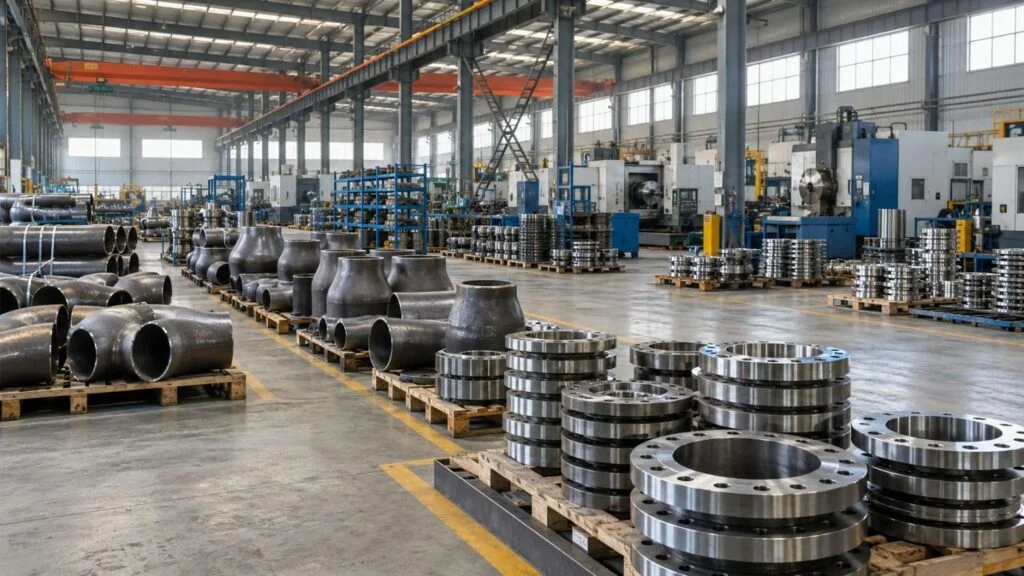
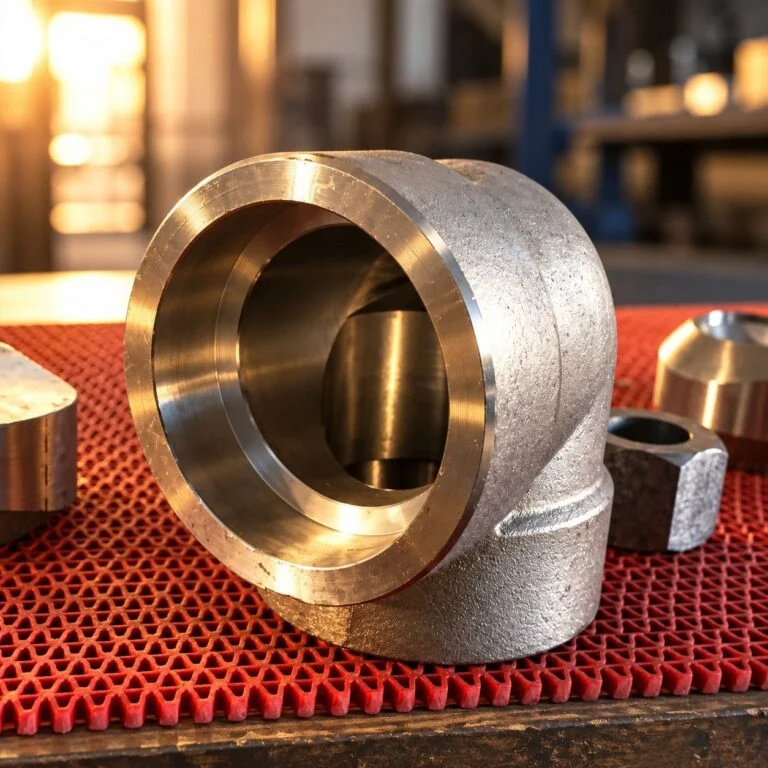
Pipe fittings and elbows selected by routing geometry, pipe wall, material grade, connection method and the governing piping specification.
Specification basis
Confirm the applicable drawing and requirements
Inspection scope
Defined against the approved order
 Category Pipe Fittings and Elbows Angle · Radius · Wall Thickness
 180° returns also listed
45° / 90°
Specification input
State the radius basis
R / D
Specification input
About this range
Fit the route and the pressure boundary
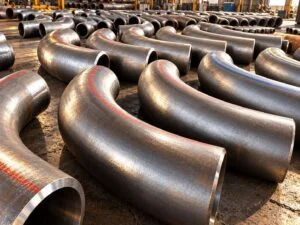
Pipe fittings change direction, create branches and connect different pipe sizes while continuing the piping system’s pressure boundary. JINYI’s range includes steel pipe elbows, return elbows, tees, crosses, concentric reducers, bends, coiled pipe and socket-weld elbows. Buttweld pipe fittings must match the mating pipe ends and the layout dimensions on the isometric drawing. A fitting with the correct nominal size can still be wrong if its centre-to-end dimension, wall thickness, end preparation or material specification differs from the required design.
- ASME B16.9 covers factory-made wrought buttwelding fittings in NPS 1/2–48, including dimensional and marking requirements. Its published scope is not a blanket JINYI supply-range claim.
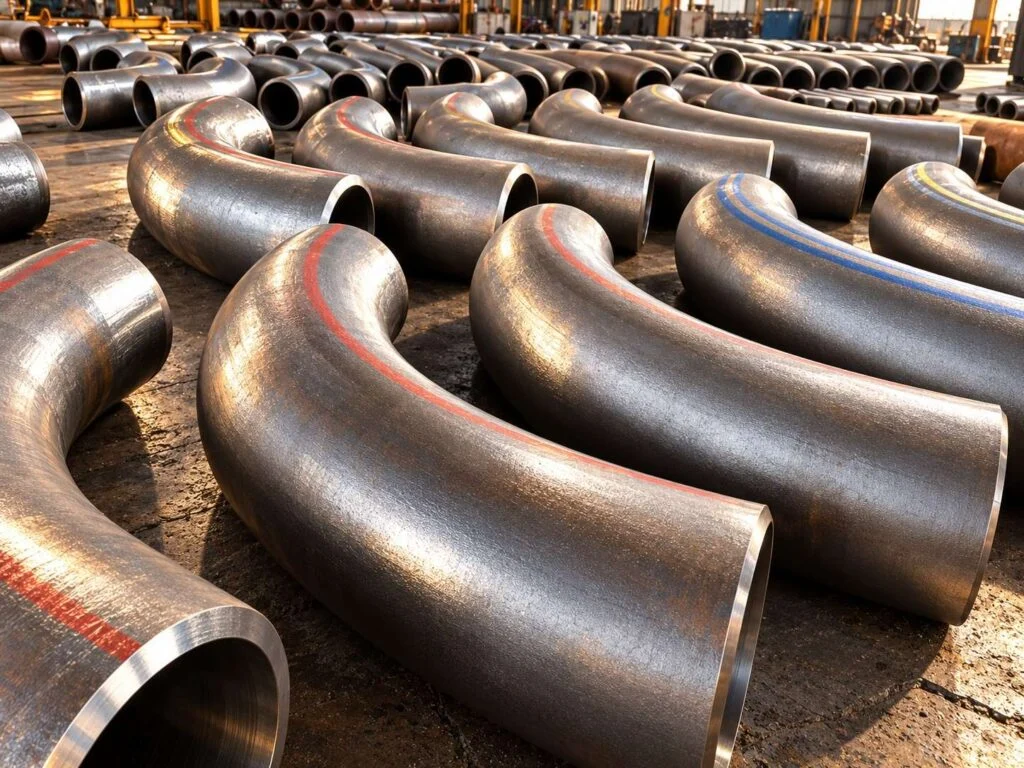
- For long radius pipe elbows to ASME B16.9, distinguish bend angle, centreline radius and centre-to-end dimensions. A long-radius elbow is commonly designated 1.5D using nominal pipe size as the radius basis.
- Specify schedule or actual wall thickness at each connection. A wall schedule does not represent one fixed thickness across all nominal pipe sizes.
- For carbon steel buttweld pipe fittings for process piping, identify the required material standard and grade, heat-treatment condition and service-temperature requirements.
- A reducing tee needs run and branch sizes; a reducer needs both end sizes and concentric or eccentric geometry. Record orientation on the piping drawing where it affects drainage or venting.
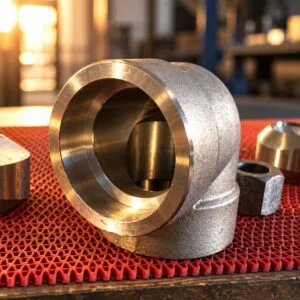
- Socket-weld forged fittings use a separate specification route. ASME B16.11 identifies socket-weld Classes 3000, 6000 and 9000; these labels should not be applied indiscriminately to buttweld fittings.
Featured pipe fittings and elbows
Selected pipe fittings and elbows for project enquiries. Compare the connection, installation and specification details, then request a quotation for your required configuration.
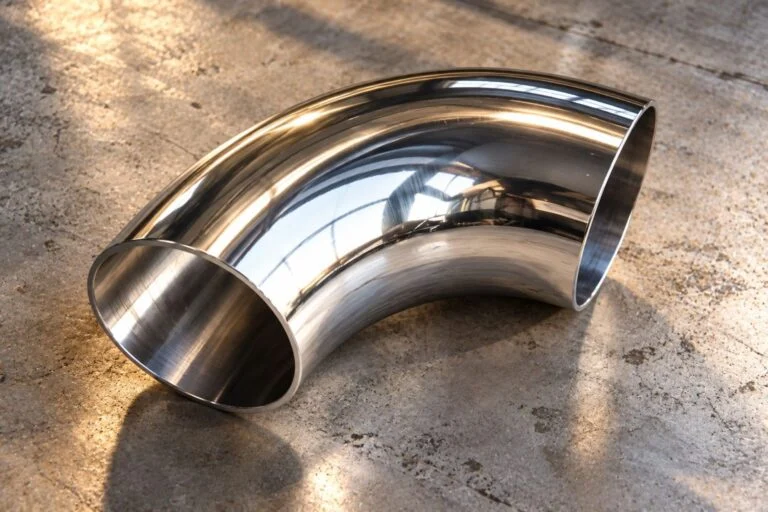
See the full catalogueA 90 degree pipe elbow changes the pipeline direction through a right angle. Specify dimensions, material and service conditions for a Jinyi quotation.
90 Degree Pipe Elbow
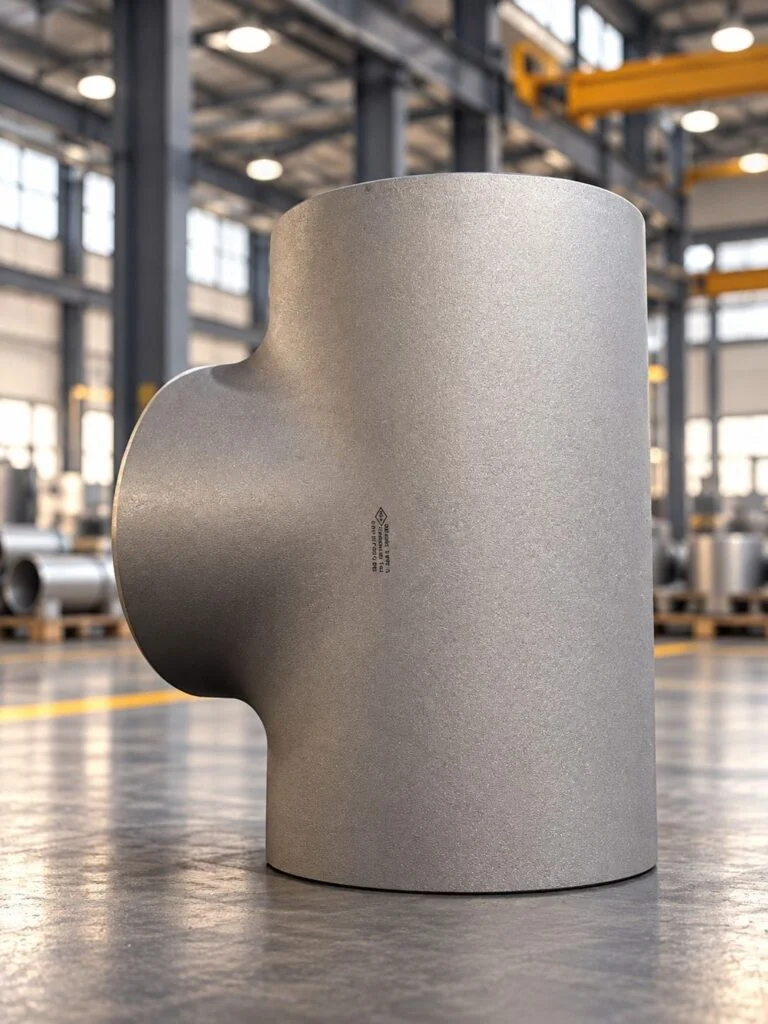
View detailsA equal pipe tee creates a T-shaped junction with equal nominal sizes on its run and branch. Specify dimensions, material and service conditions for a Jinyi…
Equal Pipe Tee
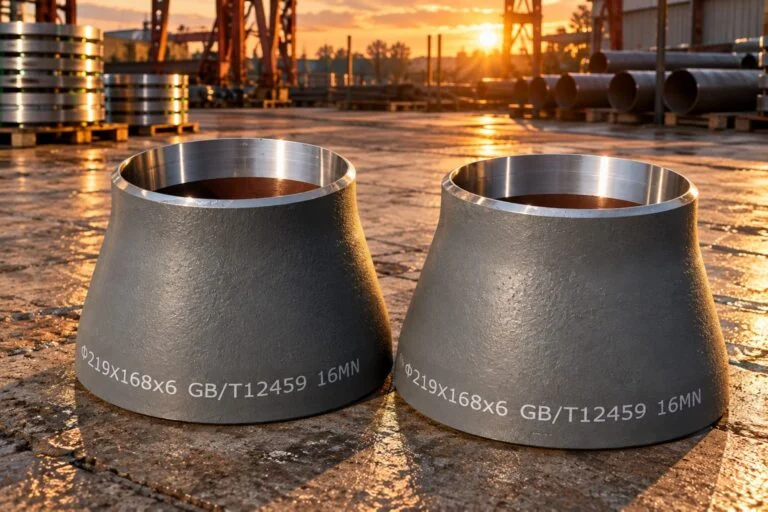
View detailsA concentric pipe reducer joins two pipe sizes while keeping their centre lines aligned. Specify dimensions, material and service conditions for a Jinyi quotation.
Concentric Pipe Reducer
View details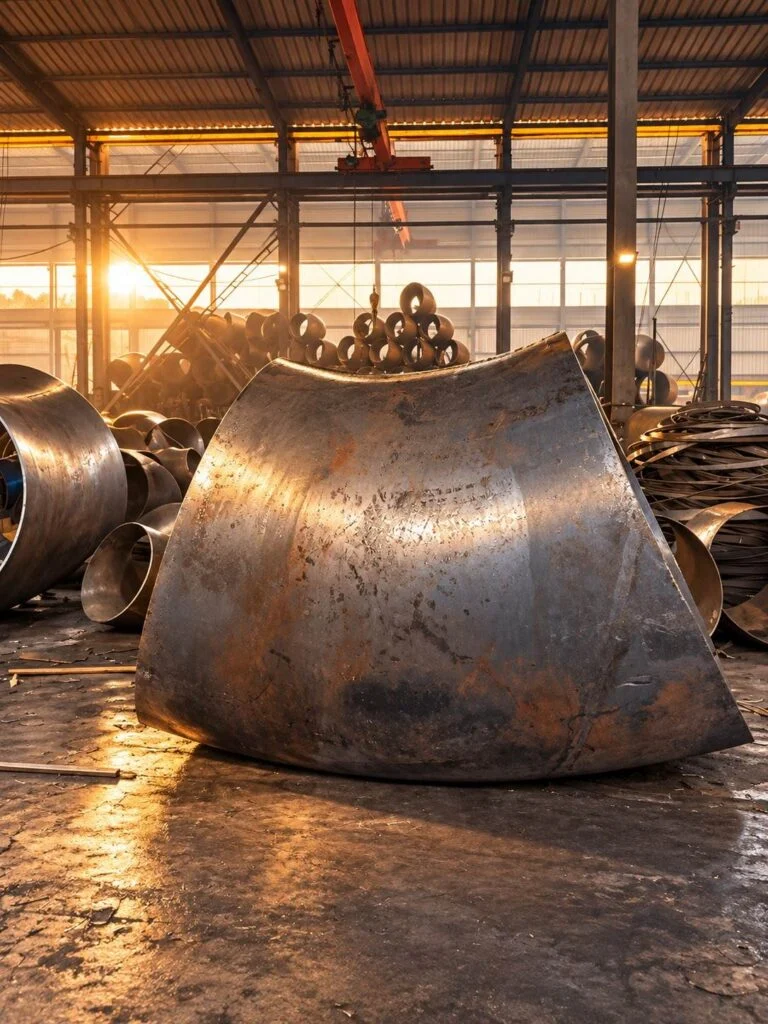
A 45 degree pipe elbow introduces a 45-degree direction change in a specified piping run. Specify dimensions, material and service conditions for a Jinyi quotation.
45 Degree Pipe Elbow
View details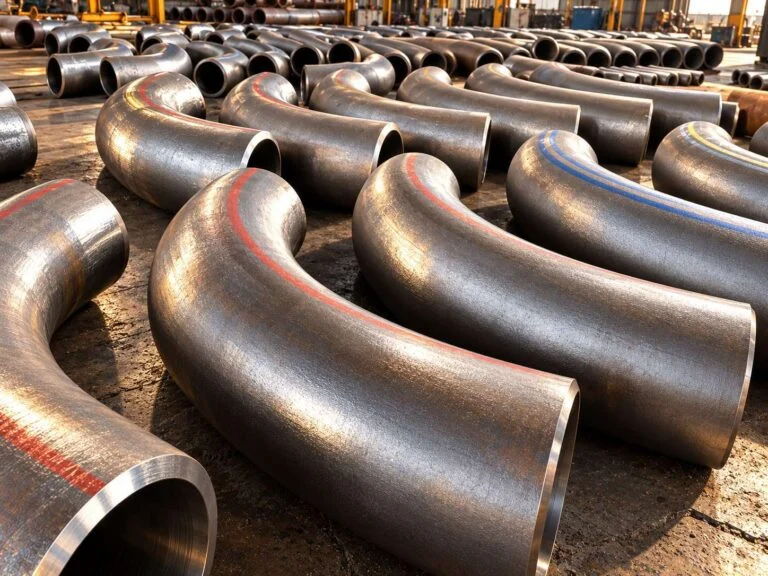
A long radius pipe bend changes the pipe direction over a specified curved length and may include straight tangent sections. Specify dimensions, material and service conditions…
Long Radius Pipe Bend
View detailsA socket weld elbow changes direction between two specified socket-weld pipe connections. Specify dimensions, material and service conditions for a Jinyi quotation.
Socket Weld Elbow
View detailsPipe Fittings and Elbows catalogue
Browse 13 products in this category. Search the range or compare the available enquiry options. Final materials, dimensions and ratings are confirmed against the selected product and your specification.
Showing 1–13 of 13 products
A 45 degree pipe elbow introduces a 45-degree direction change in a specified piping run. Specify dimensions, material and service conditions for a Jinyi quotation.
45 Degree Pipe Elbow
View detailsA 90 degree pipe elbow changes the pipeline direction through a right angle. Specify dimensions, material and service conditions for a Jinyi quotation.
90 Degree Pipe Elbow
View details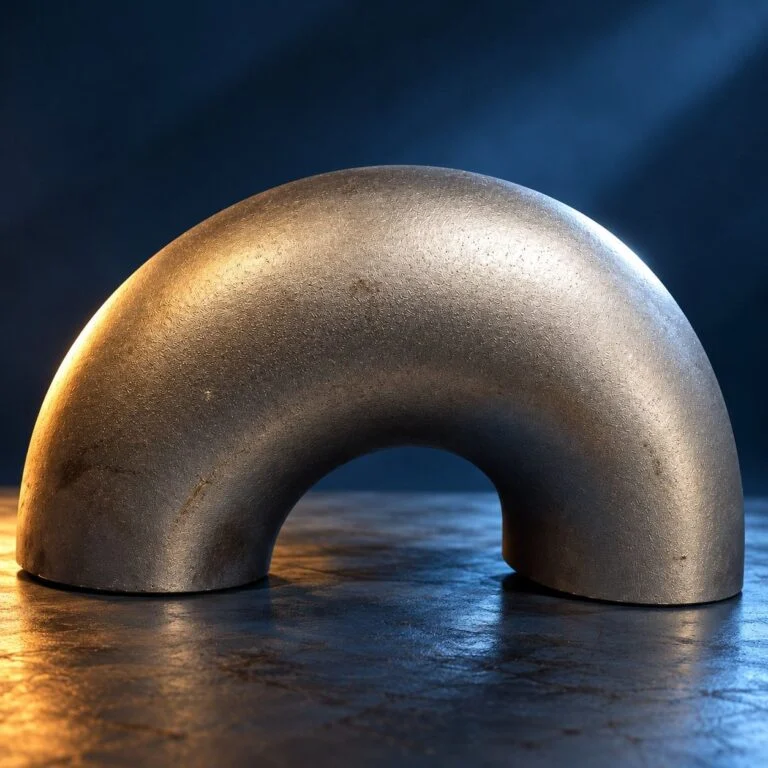
A 180 degree return elbow turns a pipe route back through a half-circle, placing its connection ends in a parallel arrangement. Specify dimensions, material and service…
180 Degree Return Elbow
View details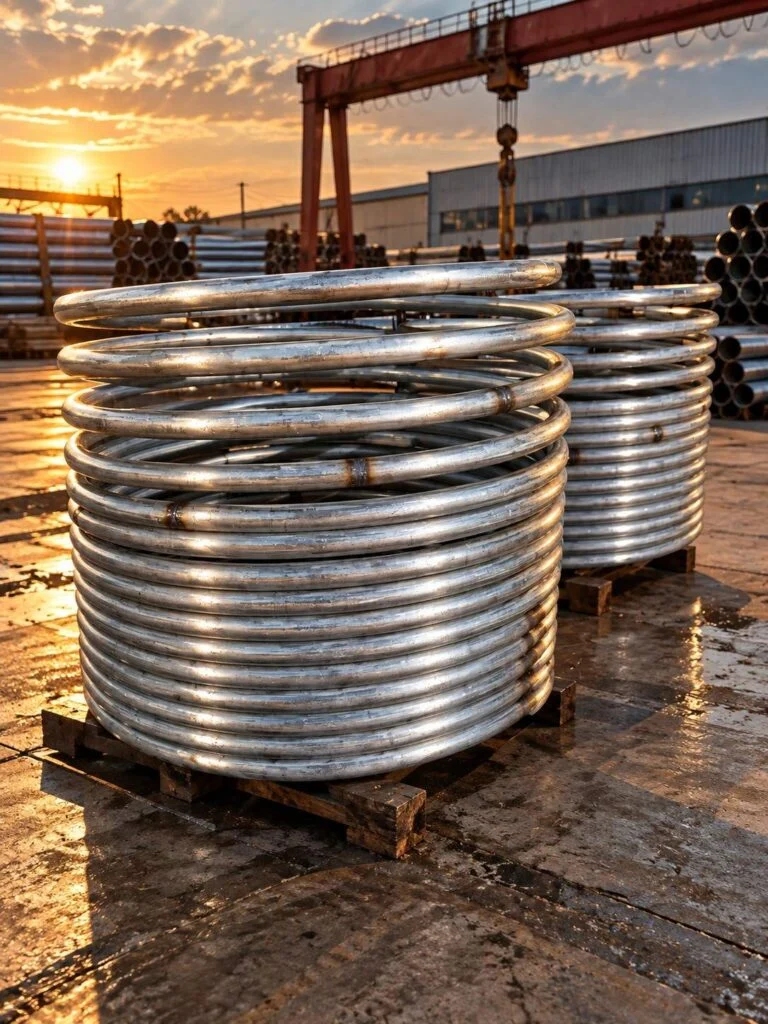
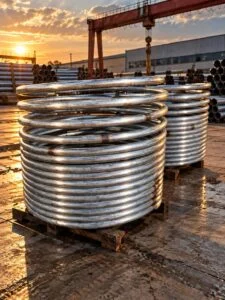
A coiled pipe follows a repeated curved path according to a coil drawing. Specify dimensions, material and service conditions for a Jinyi quotation.
Coiled Pipe
View detailsA concentric pipe reducer joins two pipe sizes while keeping their centre lines aligned. Specify dimensions, material and service conditions for a Jinyi quotation.
Concentric Pipe Reducer
View detailsA equal pipe tee creates a T-shaped junction with equal nominal sizes on its run and branch. Specify dimensions, material and service conditions for a Jinyi…
Equal Pipe Tee
View detailsA long radius pipe bend changes the pipe direction over a specified curved length and may include straight tangent sections. Specify dimensions, material and service conditions…
Long Radius Pipe Bend
View details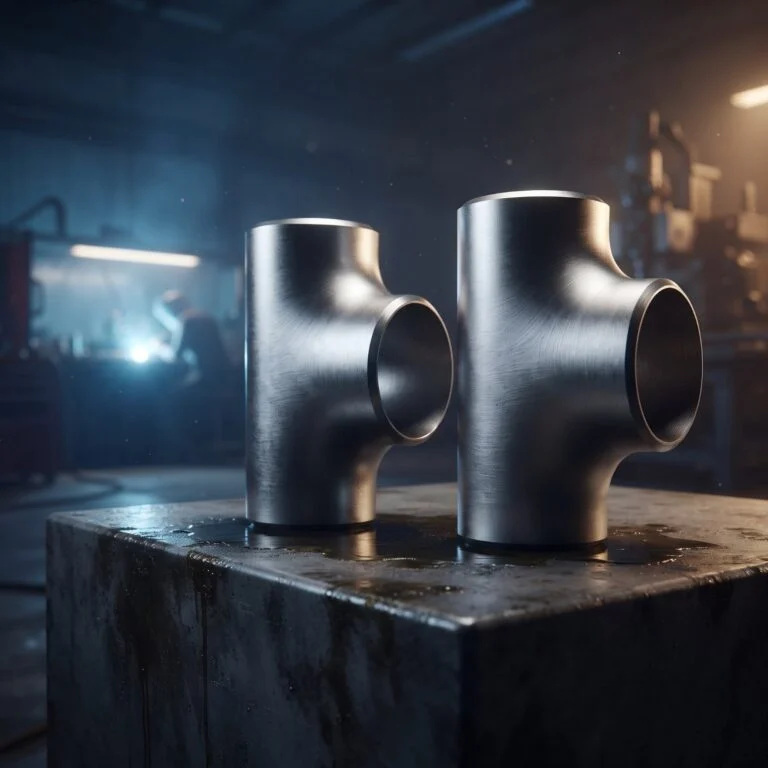
A pipe cross forms a four-way junction in a specified piping arrangement. Specify dimensions, material and service conditions for a Jinyi quotation.
Pipe Cross
View details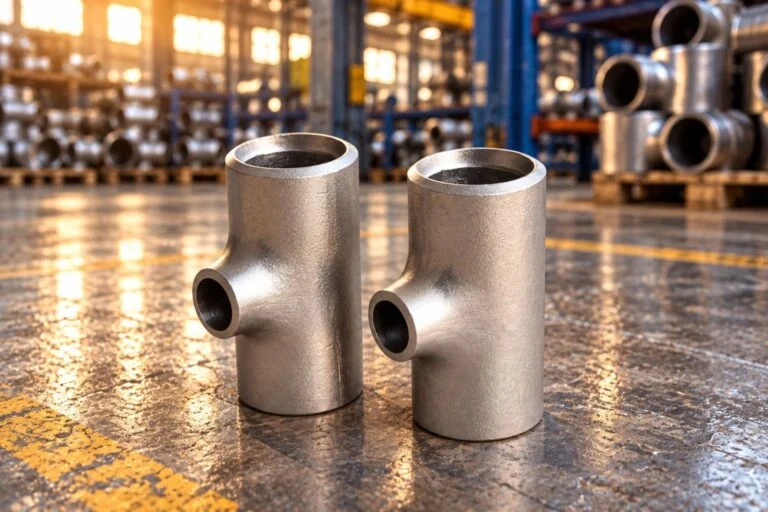
A reducing pipe tee connects a smaller branch to a larger main run through a T-shaped fitting. Specify dimensions, material and service conditions for a Jinyi…
Reducing Pipe Tee
View details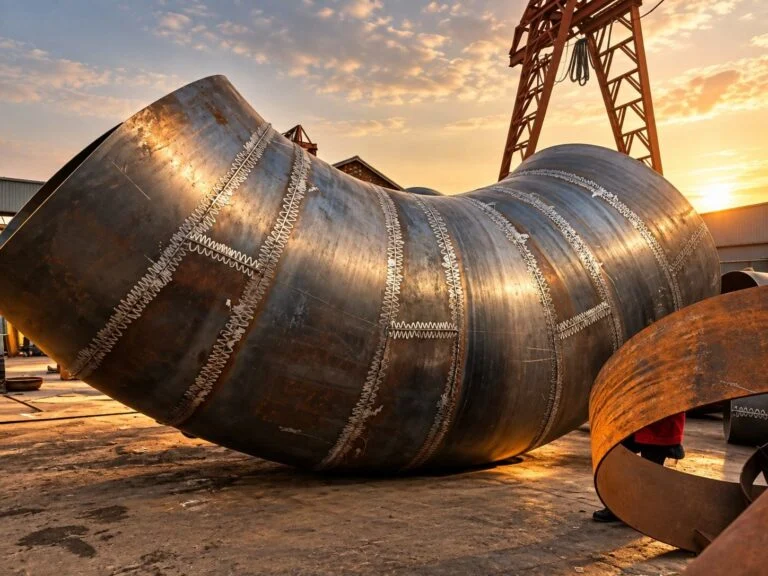
A segmented pipe elbow forms a change of direction from joined pipe sections. Specify dimensions, material and service conditions for a Jinyi quotation.
Segmented Pipe Elbow
View detailsA socket weld elbow changes direction between two specified socket-weld pipe connections. Specify dimensions, material and service conditions for a Jinyi quotation.
Socket Weld Elbow
View details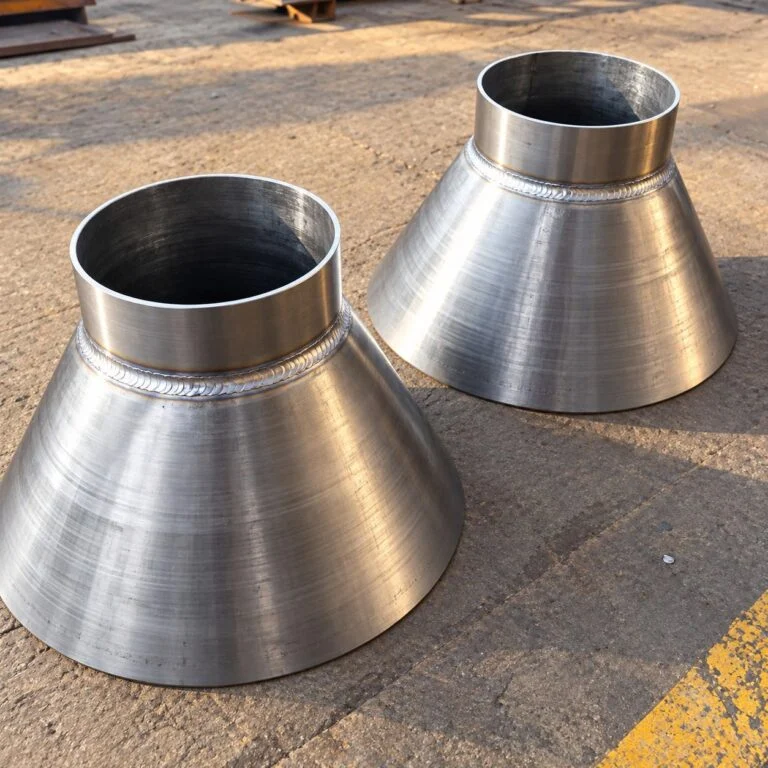
A suction bell provides an enlarged inlet form for a specified suction arrangement. Specify dimensions, material and service conditions for a Jinyi quotation.
Suction Bell
View details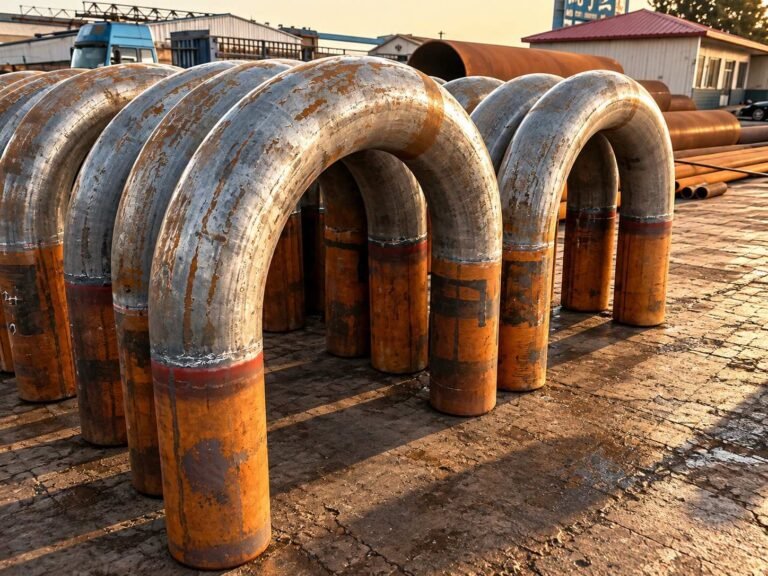
A u-shaped pipe bend returns a pipe route through a curved section with two straight legs. Specify dimensions, material and service conditions for a Jinyi quotation.
U-Shaped Pipe Bend
View detailsProduct capabilities
Routing geometry, wall and weld preparation
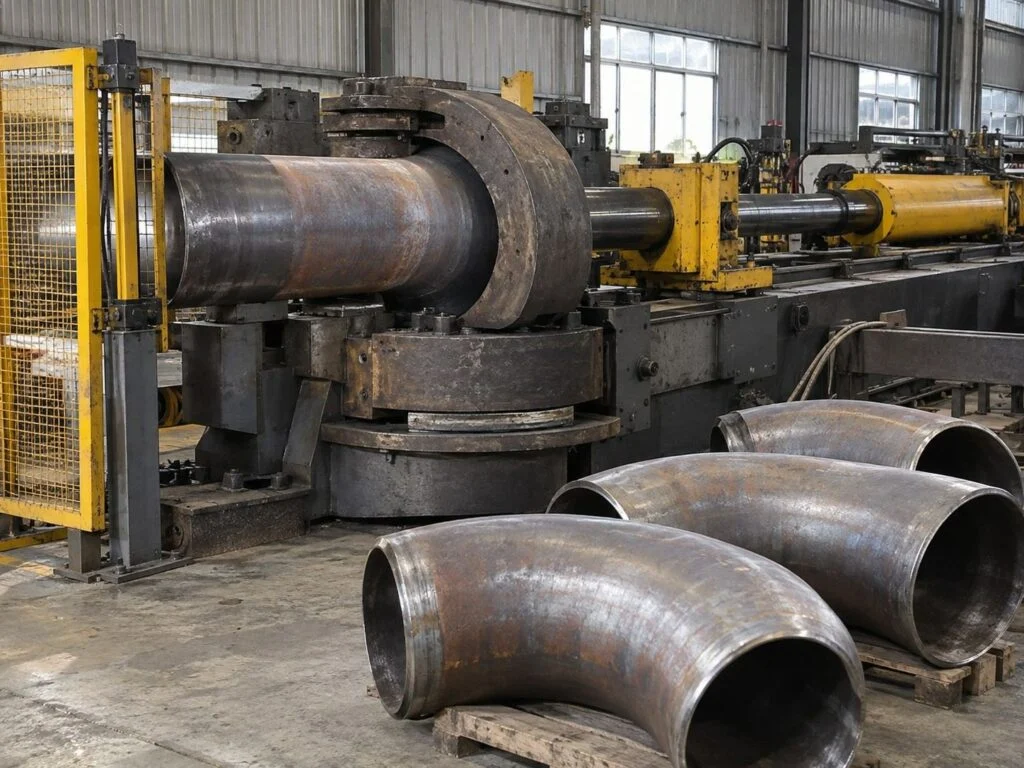
Buttweld pipe fittings should be ordered from an itemised isometric or bill of materials that defines every connection. Steel pipe elbows need a clear angle and radius designation; larger fabricated or segmented elbows need their own weld layout and design basis. Formed bends, coiled pipe and suction bells also require drawing-specific geometry and should not be assumed to fall within the same standard as a stock elbow. Procurement should distinguish a standard fitting from a fabricated assembly before comparing quotations.
- Wall: Schedule or measured mm
- Geometry: Angle, radius and length
- Material: Standard and exact grade
- End preparation: Buttweld / socket weld
Specification
Common angles
45° / 90°
180° returns also listed
Geometry
R / D
State the radius basis
Four checks before specifying pipe fittings
Use these checks to define the pipe fittings assembly before comparing prices. Record the decision against the drawing revision and obtain confirmation of the proposed model’s limits.
- Resolve the piping geometry Confirm angle, radius, centre-to-end dimensions, branch orientation and the space available on the isometric.
- Match the pipe ends Specify nominal size, actual OD, schedule or wall, bevel and any internal alignment requirements.
- Choose the material route Define material grade, manufacturing form, heat treatment and any service-specific testing requirement.
- Check the final item schedule Reconcile drawing revision, quantities, marking, inspection scope and protection of prepared weld ends.
Dimensions and service conditions should be agreed before ordering.
Long radius pipe elbows to asme b16.9
For pipe fittings, send the fitting type, all end sizes, wall schedule, material grade, angle or radius and end preparation. Attach the isometric, drawing revision, quantities and inspection requirements; for coils or fabricated elbows, include complete geometry and the approved design basis.
- Elbows and return bends Provide angle, centreline radius, tangent lengths, ovality requirements and all terminal dimensions.
- Tees and crosses Identify run and branch sizes, wall thickness at each end and orientation relative to the installation.
- Reducers and suction bells Supply both diameters, overall length, concentricity or offset and the required transition profile.
- Coils and fabricated elbows State coil diameter, pitch, turns, segment arrangement, weld locations and the approved design calculation basis.
Send drawings and the item schedule with your enquiry.
Inspection requirements for pipe fittings
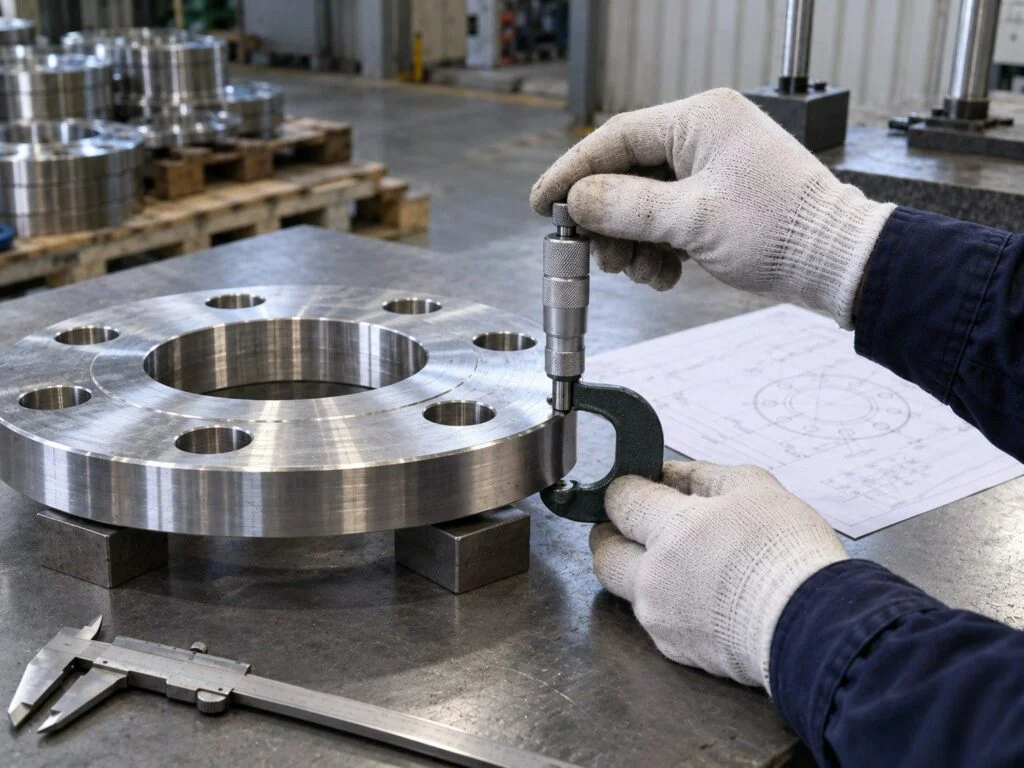
Fitting inspection should compare the manufactured geometry with the approved dimensional standard or fabrication drawing. Check end diameters, wall thickness, angle and alignment before welding. Material traceability and any nondestructive examinations must follow the agreed purchase specification.
Inspection checklist
Specify in the order- End dimensionsOutside diameter, wall thickness, bevel and roundness at each end.
- Routing geometryElbow angle, radius, centre-to-end and branch orientation.
- Body conditionSurface defects, forming condition and weld appearance where applicable.
- Material identityGrade, heat reference and heat-treatment records when specified.
- Agreed examinationsNDT, PMI or mechanical-test documentation to the order scope.
Order documentation
Scope to confirm- Approved drawingDimensions, revision and acceptance criteria
- Material recordSpecify traceability and document type
- Inspection reportAgree measured items and test scope
- Project approvalsConfirm any required certificates before ordering
Quality
Inspection · gauging
Standards · documents
Review checkpoints
Document control
Six inspection planning steps
A purchase-order checklist- 1
Drawing review
Confirm the specification, revision and the selected pipe fittings configuration.
- 2
End dimensions
Outside diameter, wall thickness, bevel and roundness at each end.
- 3
Routing geometry
Elbow angle, radius, centre-to-end and branch orientation.
- 4
Body condition
Surface defects, forming condition and weld appearance where applicable.
- 5
Material identity
Grade, heat reference and heat-treatment records when specified.
- 6
Agreed examinations
NDT, PMI or mechanical-test documentation to the order scope.
Applications and specification priorities
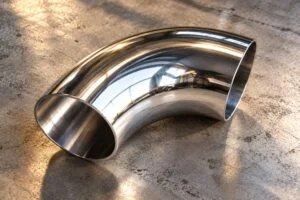
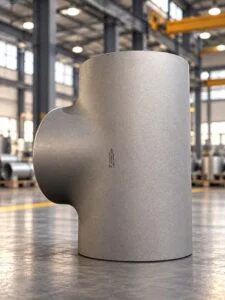
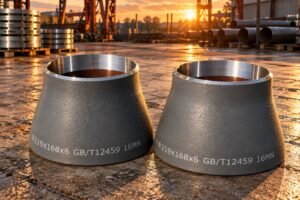
Common application contexts for pipe fittings. Each installation needs a service-specific selection; the entries below describe engineering priorities, not customer projects or approvals.
Technical selection and common questions
ASME B16.9 scope
Read the reference scope
Confirm applicability to your selected designASME B16.11 forged fittings
Read the reference scope
Confirm applicability to your selected designJINYI technical help
Read the reference scope
Confirm applicability to your selected designDimension schedule
Record these fields on a drawing or item schedule. Each quotation for pipe fittings should identify the proposed configuration and any departure from the specified interface.
Discuss your specification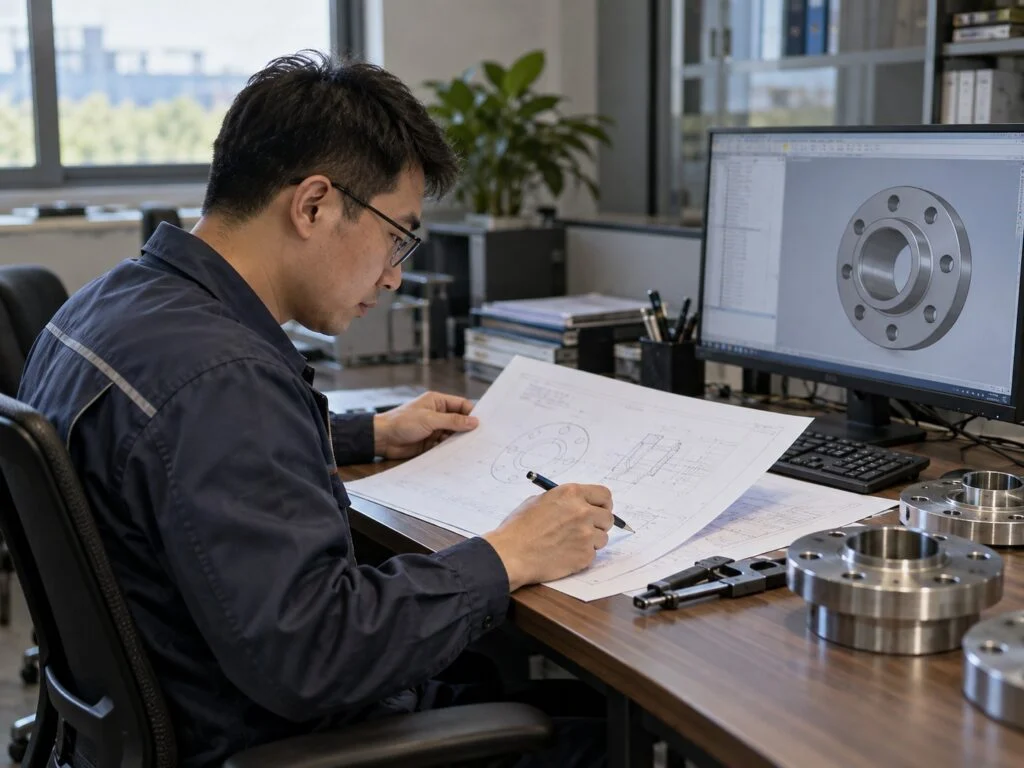
Service and installation
Include these conditions with the pipe fittings enquiry. A useful comparison checks technical compliance, inspection scope and installation requirements before comparing unit price.
Discuss your specificationSelection questions
What does long radius mean for an elbow?
It describes the centreline radius, commonly 1.5 times nominal pipe size for a standard long-radius elbow. Confirm the actual table dimensions and the drawing’s radius convention.
Is Schedule 40 always the same thickness?
No. Schedule is a designation whose wall thickness varies with nominal size. Specify the size and schedule together, or give the required wall thickness explicitly.
Need help with a specific drawing? Include the service conditions in your enquiry.
Discuss your specificationInstallation questions
Can a segmented elbow replace a formed elbow?
Only after the piping designer accepts the construction, geometry, material and weld design. Fabricated segments introduce different joints and inspection requirements.
Does a Class 3000 label apply to all fittings?
No. Forged socket-weld and threaded fittings have their own class designations. Buttweld fittings are selected through material, wall, geometry and the applicable piping and product standards.
Need help with a specific drawing? Include the service conditions in your enquiry.
Discuss your specificationRelated products for your assembly
Explore complementary products from other JINYI categories. Check each product’s dimensions and connection requirements against your assembly drawing.
See the full catalogue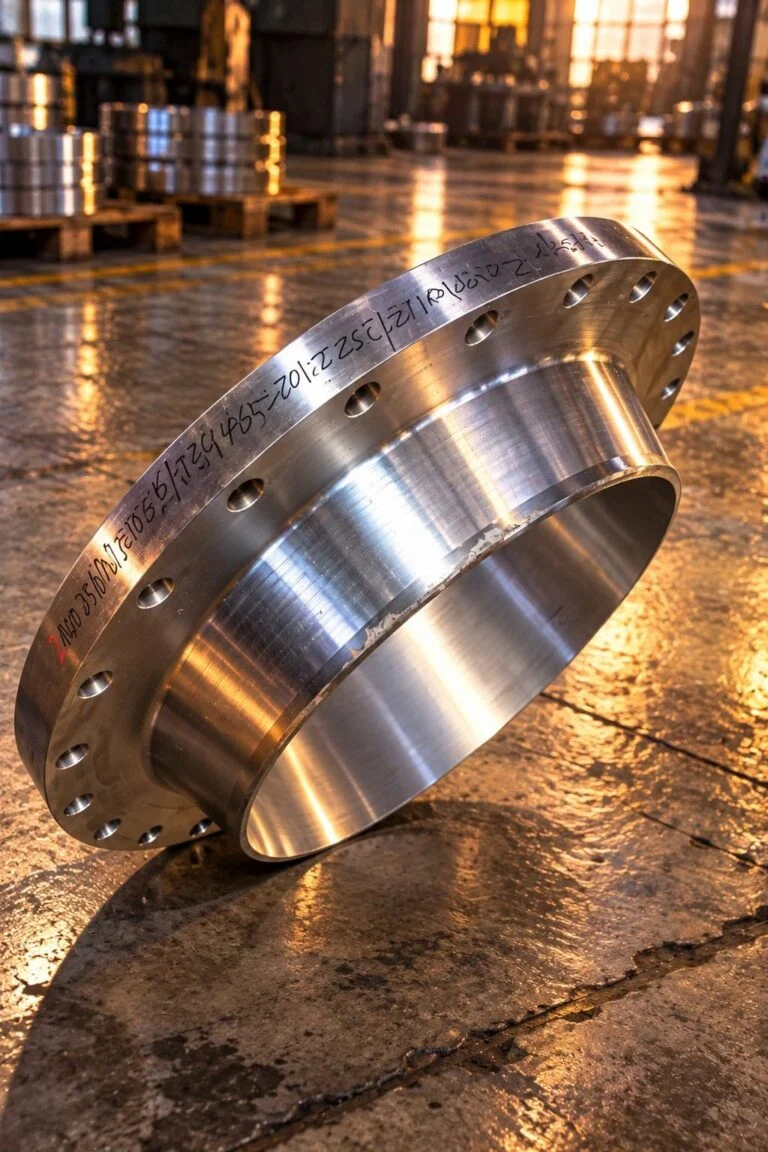
- Nominal size
- 4 in / DN100
- Pressure designation
- Class 150
- Outside diameter
- 228.6 mm
- Flange thickness
- 22.35 mm
Weld Neck Flange
View details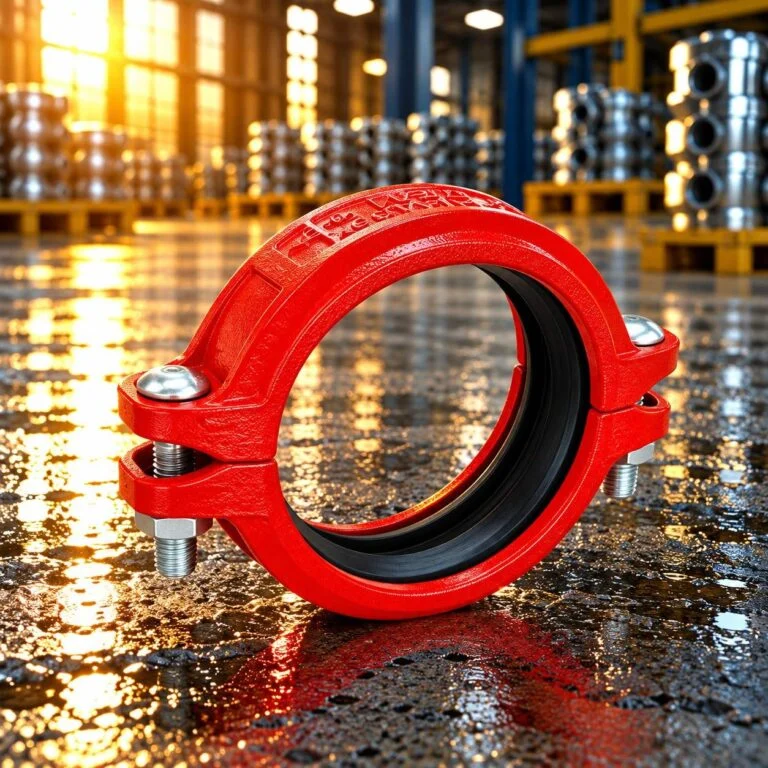
- Nominal size
- 4 in / DN100
- Pipe outside diameter
- 114.3 mm
- Assembled dimension X
- 146 mm
- Assembled dimension Y
- 210 mm
Grooved Pipe Coupling
View details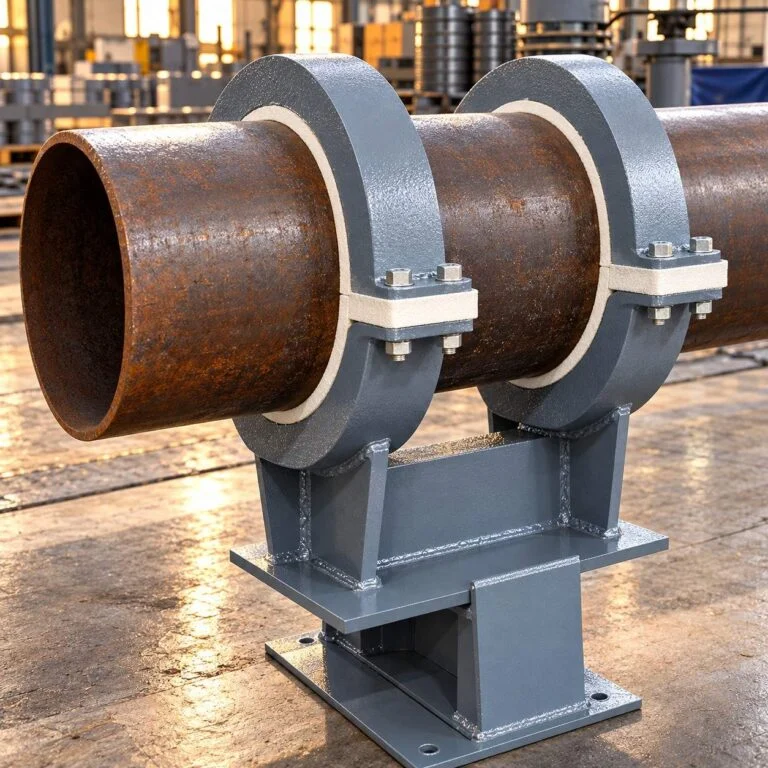
- Nominal size
- 4 in / DN100
- Pipe outside diameter
- 114.3 mm
- Support height
- 100 mm
- Overall length
- 316 mm
Clamp Pipe Shoe
View details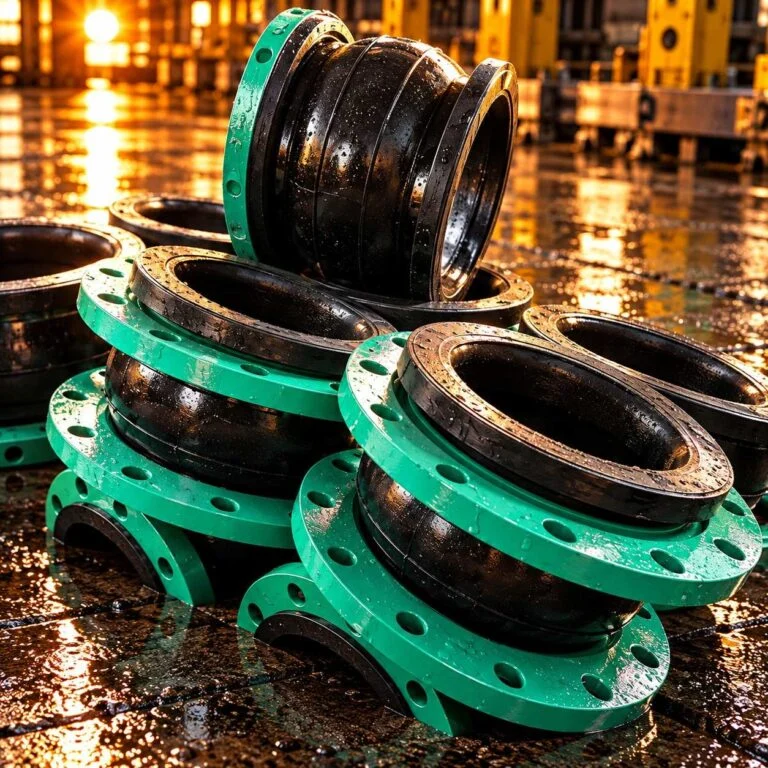
- Nominal size
- DN100 / 4 in
- Face-to-face length
- 150 mm
- Axial extension
- 10 mm
- Axial compression
- 19 mm
Rubber Expansion Joint
View detailsRequest a pipe fittings quotation
For pipe fittings, send the fitting type, all end sizes, wall schedule, material grade, angle or radius and end preparation. Attach the isometric, drawing revision, quantities and inspection requirements; for coils or fabricated elbows, include complete geometry and the approved design basis.
Attach the approved drawing, item schedule and service conditions. Identify mandatory documents, inspection hold points and delivery requirements when requesting a quotation.
- Drawing-based review
- Service-specific selection
- Inspection scope agreed