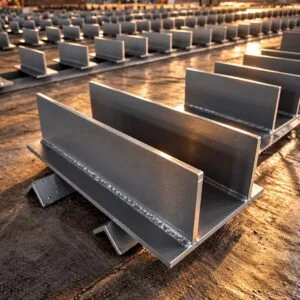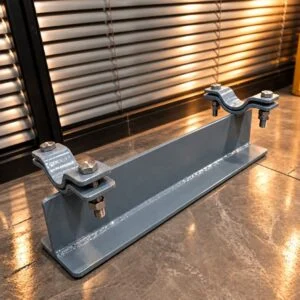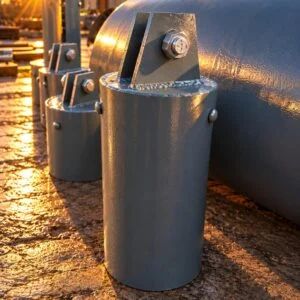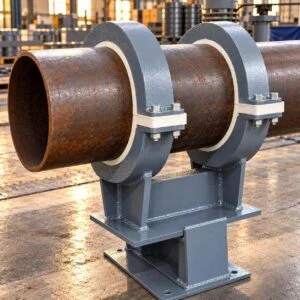
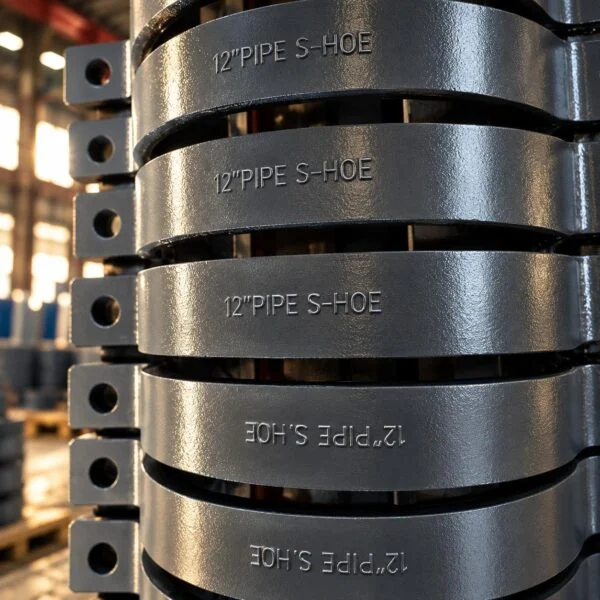


Riser Pipe Clamp technical overview.
Riser Pipe Clamp from JINYI is specified by its application, material and connection or drawing requirements. Review the selection schedule and enquiry requirements below to prepare a quotation for your project.
On this page
Specification basis: The schedule below distinguishes industry geometry from order-specific requirements. Final dimensions, performance and price are defined in the approved quotation and drawing. Photographs identify the product family.
What is a riser pipe clamp?
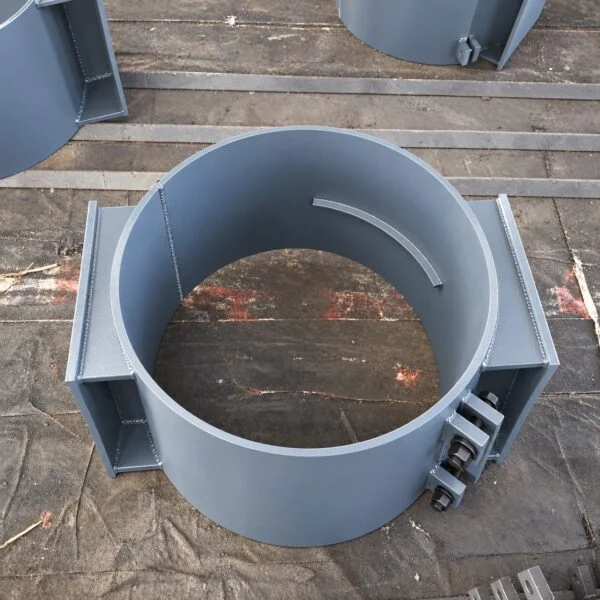
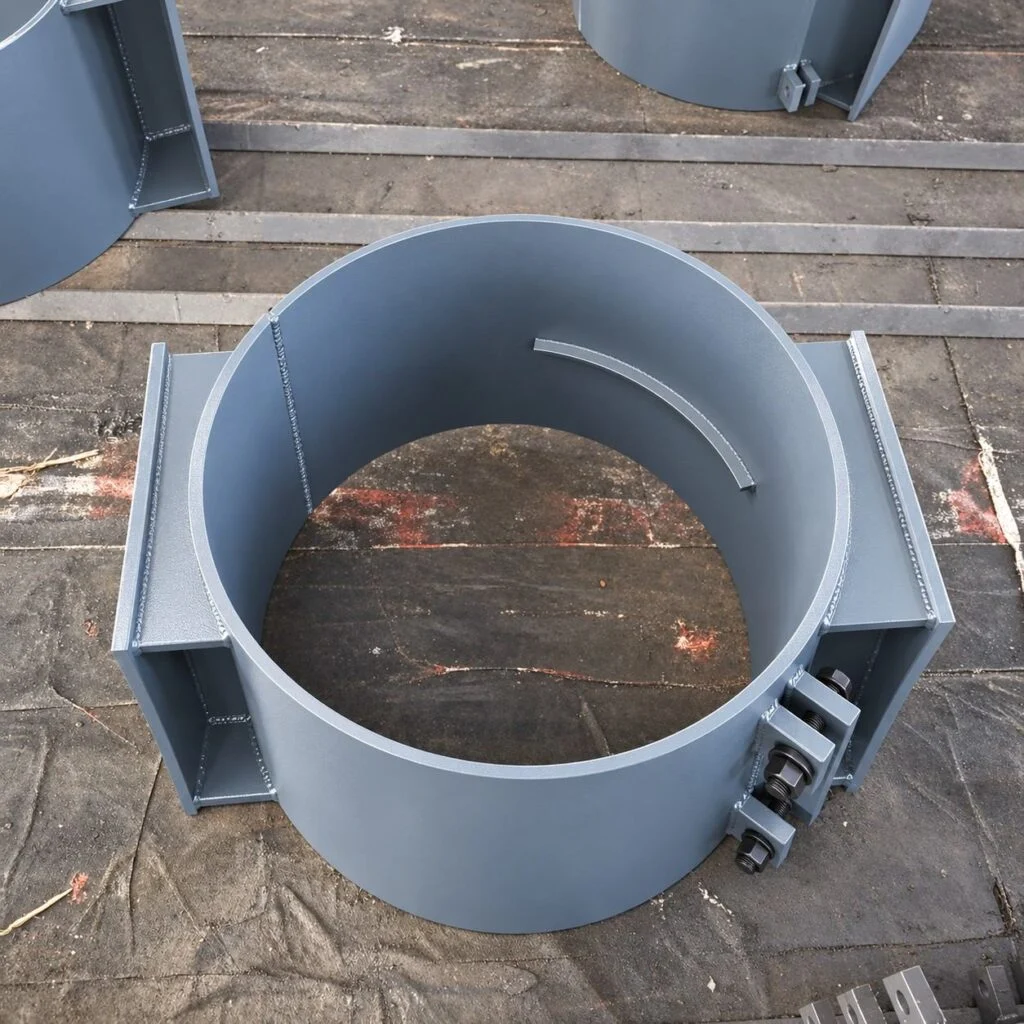
A riser pipe clamp is a bolted attachment for a vertical pipe run. The clamp and its supporting interfaces transfer the specified vertical reaction to a floor support, bracket or other structure.
Key dimensions and installation fit
A riser clamp transfers load from the pipe to the supporting structure through its assembled contact and bearing arrangement. State pipe material, outside diameter, vertical reaction and installation condition; a published load for another brand is not a JINYI load rating. Compare related configurations: gusseted riser pipe support, split pipe clamp.
How to specify the riser pipe clamp
Provide the vertical pipe diameter, total supported load, operating temperature and bearing details. Define whether load transfer relies on a pipe lug, shoulder, welded attachment or an engineered clamping arrangement. A generic split clamp does not establish a riser load capacity.
Match the actual pipe outside diameter, contact arrangement and support elevation. Include the vertical, lateral and axial reactions, thermal movement and any insulation clearance. A component dimension does not establish support capacity; the clamps, welds, foundation and anchors form the complete load path.
Technical data for the riser pipe clamp
| Product form | Two-piece riser pipe clamp |
|---|---|
| Nominal pipe size | State pipe standard and actual outside diameter |
| Bearing arrangement | Floor, steelwork or other designed support |
| Clamp span | To the bearing width and installation clearance |
| Strip and ear geometry | To selected assembly drawing |
| Bolts and tightening | Specified grade, number and installation method |
| Allowable vertical load | To the supplied clamp and pipe combination |
| Material and finish | Carbon or stainless steel as specified |
| Thermal movement | Resolve axial movement and restraint duty |
| Inspection | Fit, hardware, coating and agreed load documentation |
Sizes and dimensional requirements
Use the named standard for standardized interfaces and the controlled drawing for custom dimensions. Confirm units, diameter datums, minimum finished thickness and any mating-component requirements. A catalogue dimension is not a universal tolerance, capacity or pressure rating.
Dimensions and tolerance schedule
| Individually toleranced features | Limits and datum system on the approved drawing |
|---|---|
| General tolerances | Standard, edition and class apply only when specified |
| Functional acceptance | Agreed inspection method and acceptance criteria |
A riser clamp transfers load from the pipe to the supporting structure through its assembled contact and bearing arrangement. State pipe material, outside diameter, vertical reaction and installation condition; a published load for another brand is not a JINYI load rating.
Materials, inspection and documentation
Check contact dimensions, mounting-hole spacing, plate thickness and bolt details. For welded items, specify weld symbols, procedures and examination. For bolted supports, define the mating plate, fasteners and tightening requirements. Confirm coating and accessible maintenance surfaces before installation.
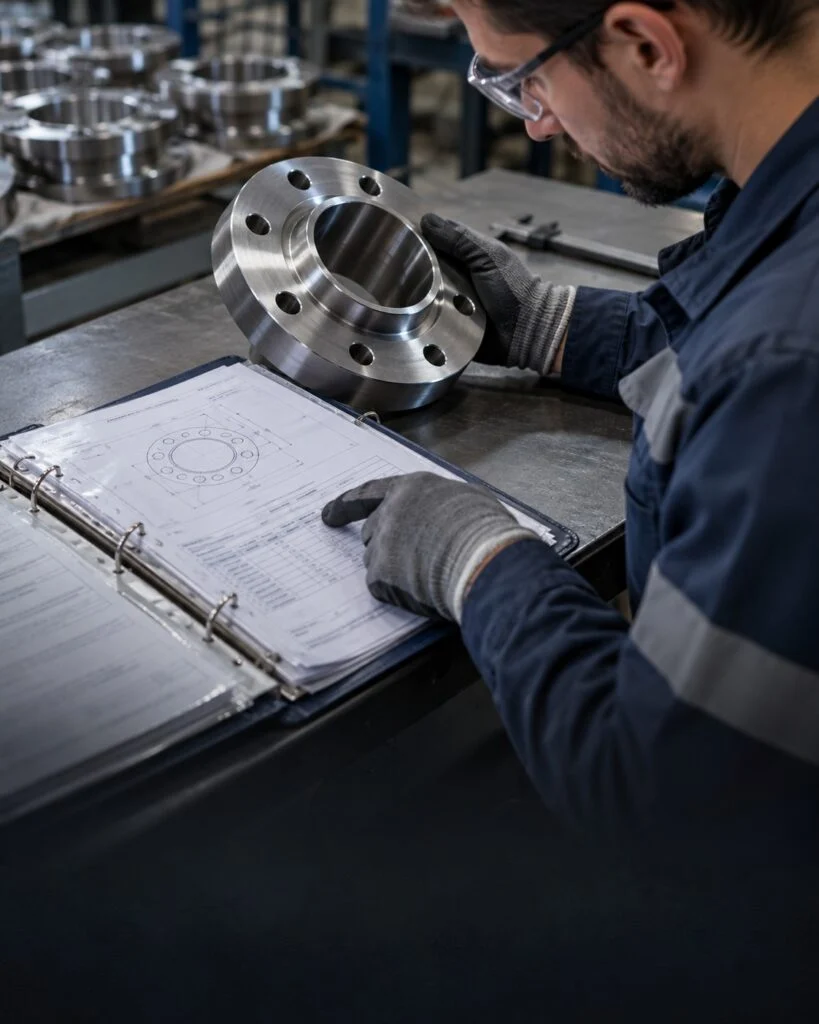
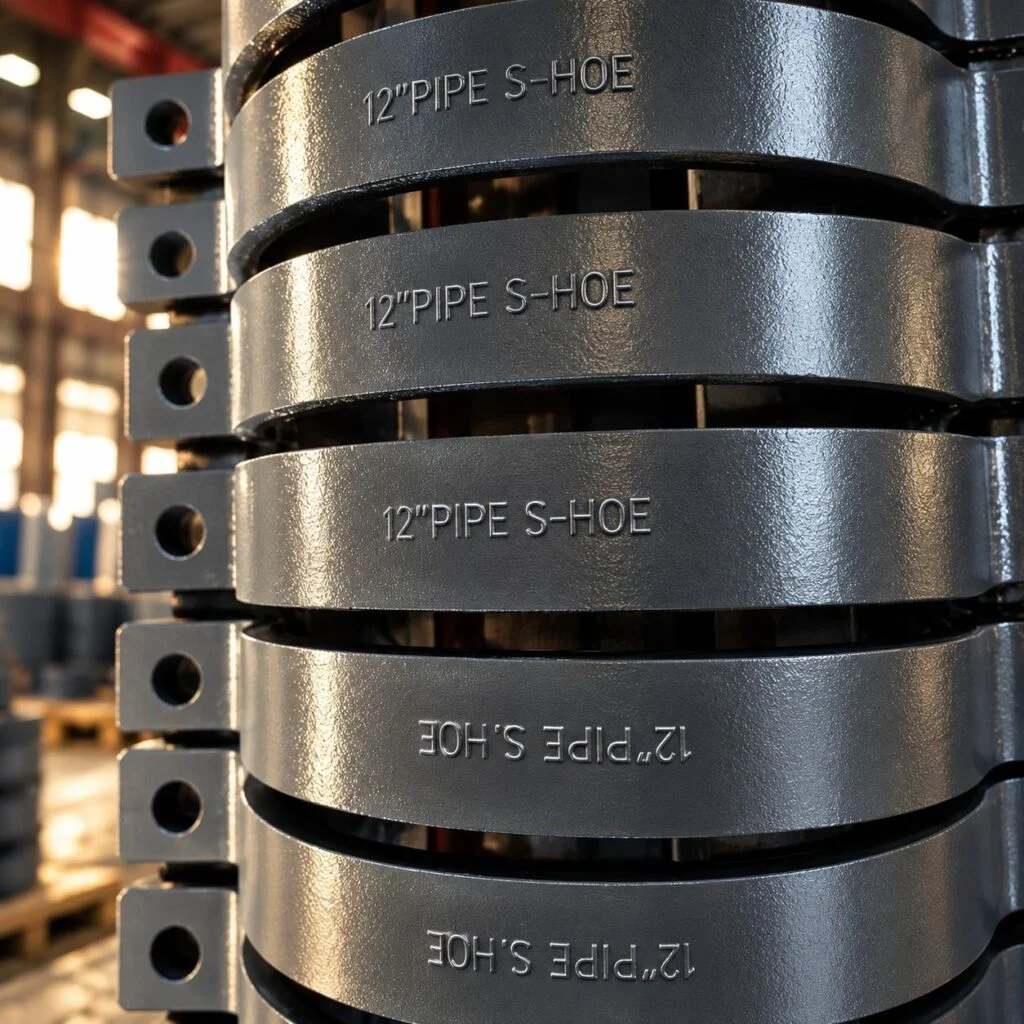
State the exact material designation and supplied condition, the controlled drawing revision and the required inspection reports before ordering. Separate material certification from dimensional checks and functional or pressure testing. Agree the acceptance limits for the ordered component and identify any additional witnessing, marking or packing requirements. Use the pipe support and casing manufacturing guidance to confirm fabrication and inspection requirements.
Installation and handling guidance
Check clamp orientation, bearing contact and the pipe interface before loading. Keep the supports at the locations shown by the piping arrangement. Review insulation and corrosion protection at the clamp position, particularly where access will be limited after installation.
Where the riser pipe clamp is used
- Pipe racks. Supporting or guiding lines at drawing-defined elevations.
- Vertical risers. Transferring the specified pipe reaction through an approved bearing arrangement.
- Plant maintenance. Replacing components with checked pipe interfaces and support reactions.
How to order a riser pipe clamp
Send the required configuration, material, quantity, destination and controlled drawing to JINYI. Identify changed dimensions, mating components, operating conditions and inspection scope. For a repeat order, include the previous approved revision and state any changes. The final quotation defines the supplied geometry, documentation, price and delivery terms.
Quantity prices and order preparation
| 1–9 pcs | US$19.23 / piece |
|---|---|
| 10–49 pcs | US$19.23 / piece |
| 50+ pcs | US$19.23 / piece |
Indicative budget pricing selected from public supplier listings. Uses the US distributor's publicly indexed US$19.23 unit amount as an indicative comparison; material, finish, load documentation and destination affect the quotation. MSC 4-inch riser clamp listing. Final JINYI pricing depends on the confirmed specification, quantity, inspection and delivery scope. Quantity-specific terms are confirmed with the final quotation.
Engineering and pricing references
Gregory pipe and riser clamps. These sources explain the named product geometry or selection method. Their certifications, rated capacities and manufacturing capabilities belong to the named organizations.
Other JINYI products worth comparing
Review the pipe supports and hangers catalog for adjoining components, connection choices and alternative product forms.
Request a riser pipe clamp quotation from JINYI with the drawing, material and quantity required for your project.
Riser Pipe Clamp selection and quotation checklist
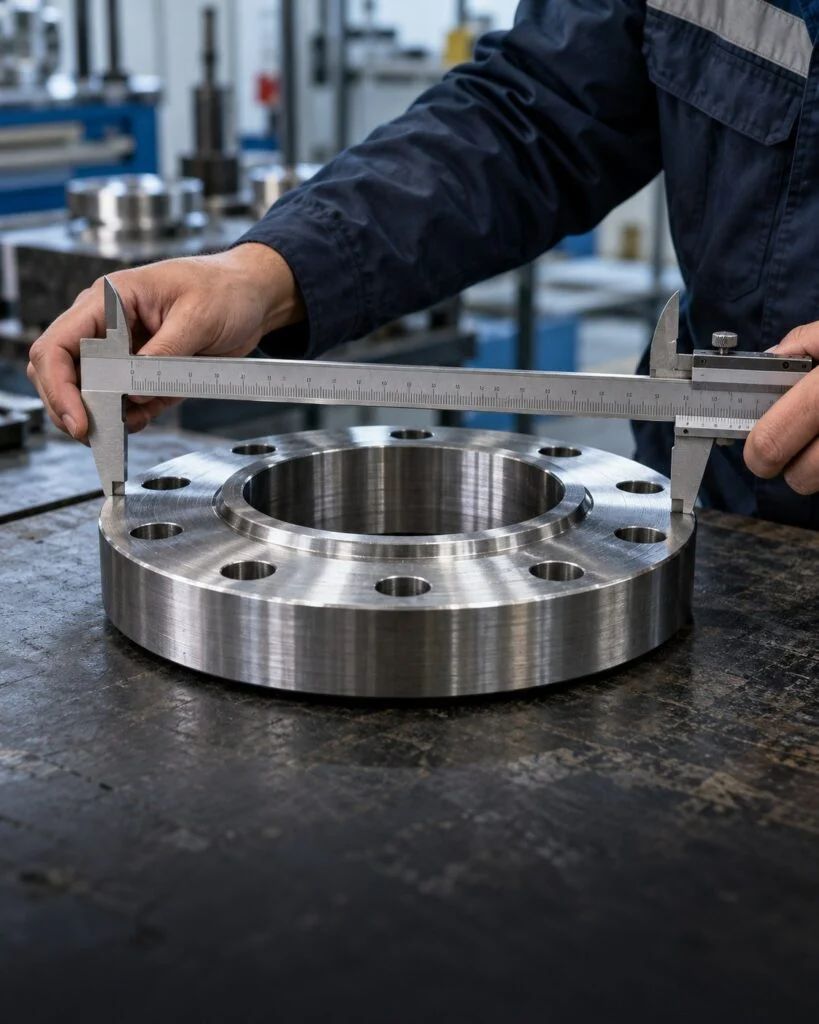
The riser clamp supports a vertical pipe through its intended bearing arrangement. Define the load path, supporting surface and pipe material before selecting a general split band clamp. Use the photographed product form to identify the arrangement, then use the controlled drawing to define what will be supplied. Similar-looking components can have different end details, load paths or maintenance requirements.
Riser Pipe Clamp dimensions and tolerances
The first comparison for this riser pipe clamp is pipe diameter and bearing arrangement. Mark the dimensions that control mating, alignment and installation space on the enquiry drawing. Give units for every value and identify the datum from which it is measured. If a dimension is critical, specify its individual tolerance and measurement method rather than relying on a general tolerance note.
A riser clamp transfers load from the pipe to the supporting structure through its assembled contact and bearing arrangement. State pipe material, outside diameter, vertical reaction and installation condition; a published load for another brand is not a JINYI load rating. Review the selection schedule together with the final drawing and inspection requirements.
Prepare the material and interface information
For a riser pipe clamp enquiry, identify the required material designation and supplied condition. Describe the mating components, attachment method and environment. Include the operating temperature and any relevant pressure, movement or structural load. These inputs should describe the actual installation, including changes between normal operation, start-up and maintenance where applicable.
Specify coatings, surface finish and marking separately from the base material. If traceability is needed, identify the record required and how it must correspond to the delivered component. Agree whether inspection covers dimensions, material documentation, welds or functional testing; these are different checks with different acceptance criteria.
Custom riser pipe clamp quotation
Attach the latest drawing revision, required quantity and delivery destination when contacting JINYI. Highlight departures from the illustrated arrangement, including changed dimensions, connections, finish and packing. For repeat orders, reference the approved configuration and list changes explicitly so an earlier drawing is not assumed to remain current.
Compare quotations using the same geometry, grade, supplied condition, unit of supply and inspection scope. A piece, a segment and a complete assembly can represent different quantities. Confirm quantity discounts and delivery terms with the final quotation.
Compare related component arrangements
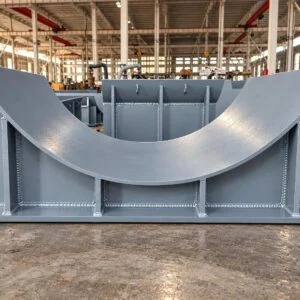
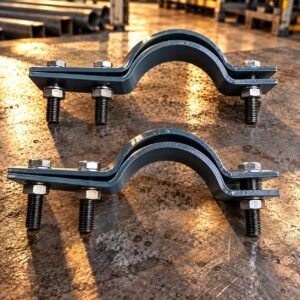
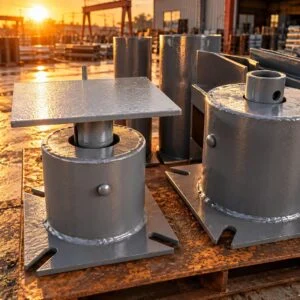
Evaluate this riser clamp by its actual pipe diameter and bearing arrangement and the required pipe clamp arrangement. The photographs below show separate JINYI products for comparison. They are linked to their own technical pages and are not additional gallery views of this riser pipe clamp.
| Photo | Related product | Selection detail |
|---|---|---|
 | Gusseted Riser Pipe Support | Gusset geometry and support load. Compare this separate product when the drawing requires its particular arrangement. |
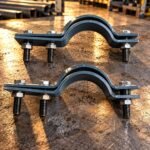 | Split Pipe Clamp | Clamping range and lug thread. Compare this separate product when the drawing requires its particular arrangement. |
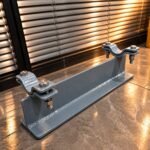 | U Bolt Pipe Support | Bolt spacing and pipe diameter. Compare this separate product when the drawing requires its particular arrangement. |
Questions to resolve before ordering
Which dimensions need checking first?
Start with pipe diameter and bearing arrangement and the mating or mounting detail. Check nominal designations against measured dimensions, then review the installation envelope. Photographs help identify the form; the drawing provides the dimensional basis for acceptance.
What should the quotation include?
A riser pipe clamp quotation should identify the configuration, drawing revision, material, quantity, price basis and agreed inspection records. Keep these details together with the approved order so receiving inspection can compare the delivered product with the specified component.
Independent terminology reference
LISEGA pipe support selection families provides an independent reference for component terminology. Use the specified standard and edition where required by the project. This link does not establish JINYI certification, product approval or interchangeability with another manufacturer.
- Spec
- Defined configuration
- Grade
- Material requirement
- US$19.23
- Indicative unit price
- 3
- Quantity bands
- Product arrangement — Riser clamp · pipe fit and load to project design
- Engineering selection — A riser clamp transfers load from the pipe to the supporting structure through its assembled contact and bearing arrangement. State pipe material, outside diameter, vertical reaction and installation condition; a published load for another brand is not a JINYI load rating.
- Quotation scope — Material, drawing revision, quantity, inspection and delivery terms confirmed together
At a glance
- Product form
- Riser clamp · pipe fit and load to project design
- Product form
- Two-piece riser pipe clamp
- Nominal pipe size
- State pipe standard and actual outside diameter
- Bearing arrangement
- Floor, steelwork or other designed support
- Pricing
- Indicative USD pricing
| Product form | Two-piece riser pipe clamp |
|---|---|
| Nominal pipe size | State pipe standard and actual outside diameter |
| Bearing arrangement | Floor, steelwork or other designed support |
| Clamp span | To the bearing width and installation clearance |
| Strip and ear geometry | To selected assembly drawing |
| Bolts and tightening | Specified grade, number and installation method |
| Allowable vertical load | To the supplied clamp and pipe combination |
| Material and finish | Carbon or stainless steel as specified |
| Thermal movement | Resolve axial movement and restraint duty |
| Inspection | Fit, hardware, coating and agreed load documentation |
| Individually toleranced features | Limits and datum system on the approved drawing |
|---|---|
| General tolerances | Standard, edition and class apply only when specified |
| Functional acceptance | Agreed inspection method and acceptance criteria |