
JINYI flange manufacturing and pipe fittings manufacturing, from material selection to finished components. Send your drawing, standard and quantity for a quotation.
Flanges & Fittings Manufacturing
Flanges & Pipe Fittings
Manufacturing scope
Product 01Stage 01
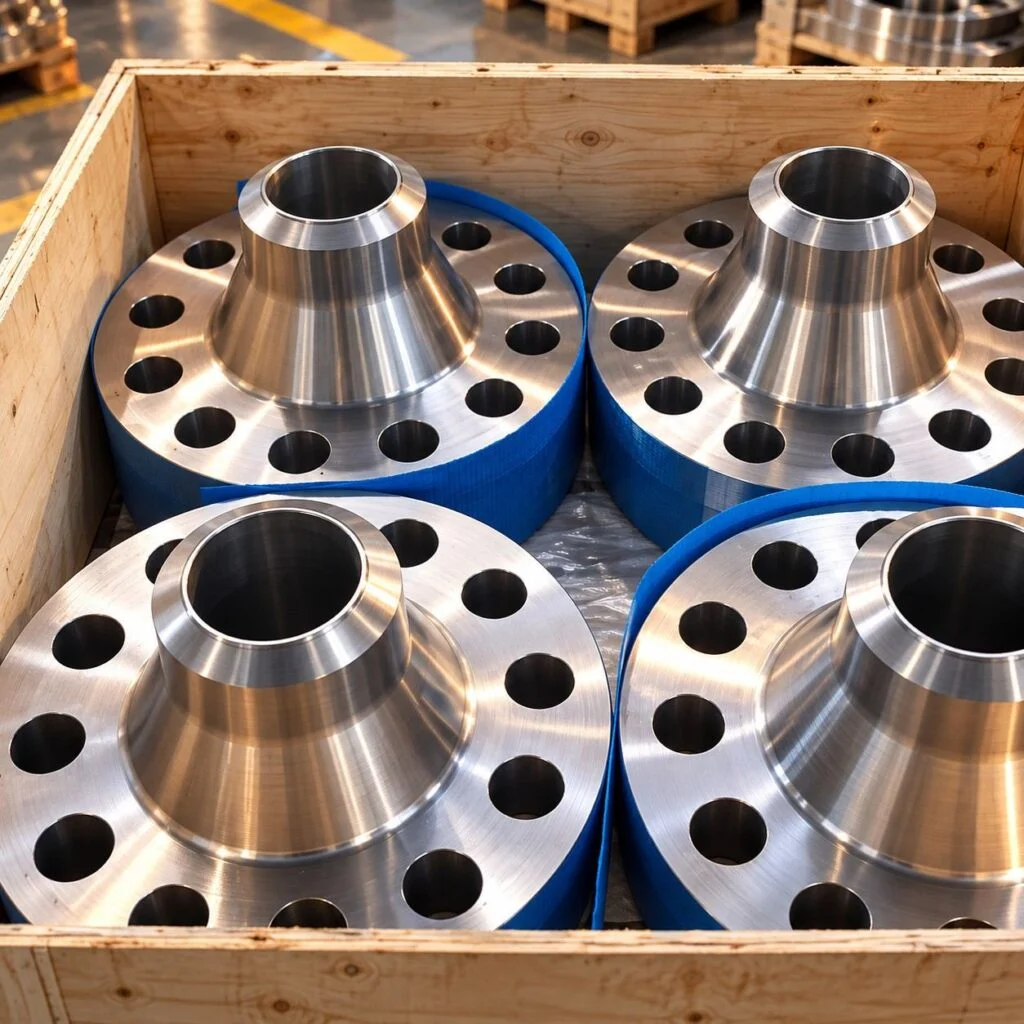
Weld neck, slip-on and blind flange configurations for your piping specification
Pipe Fittings Manufacturing focused on the connection
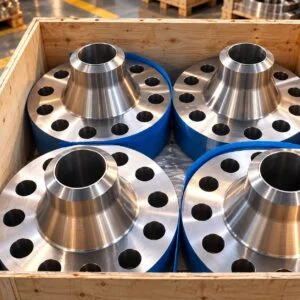
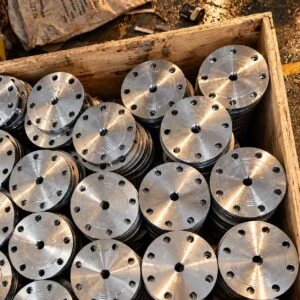
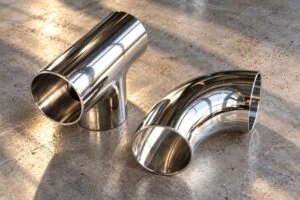

Use the same standard, edition and connection details across the purchase order, drawing and inspection plan. A matching nominal size alone does not establish compatibility.
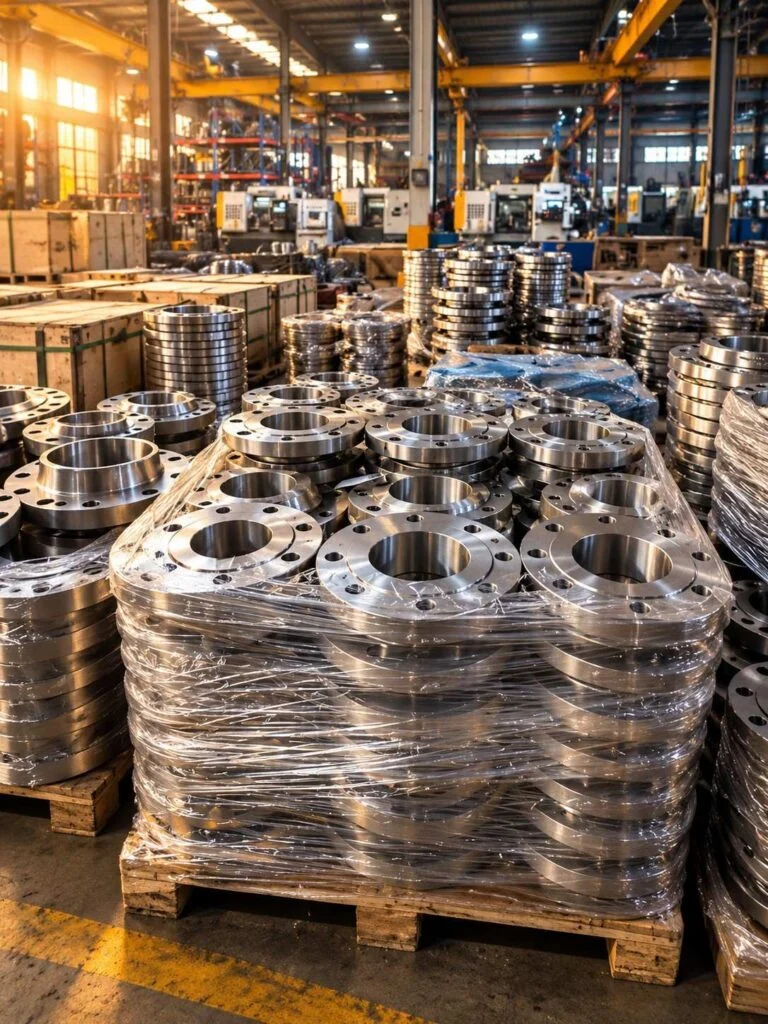
JINYI supplies flanges and pipe fittings for industrial piping projects. This page explains the manufacturing decisions behind the connection: the starting material, forming route, machined surfaces, dimensional checks and shipment documents. Explore industrial pipe flanges and pipe fittings and elbows for product options. Size, material availability, production route and lead time are confirmed against each enquiry; the reference standards below are not a blanket certification claim.
Specify the right manufacturing route
Forged flange manufacturing
Forged flange manufacturing uses the specified starting stock, heat-treatment condition and machined connection geometry. Confirm bore, facing, drilling and identification before production.
Buttweld fittings
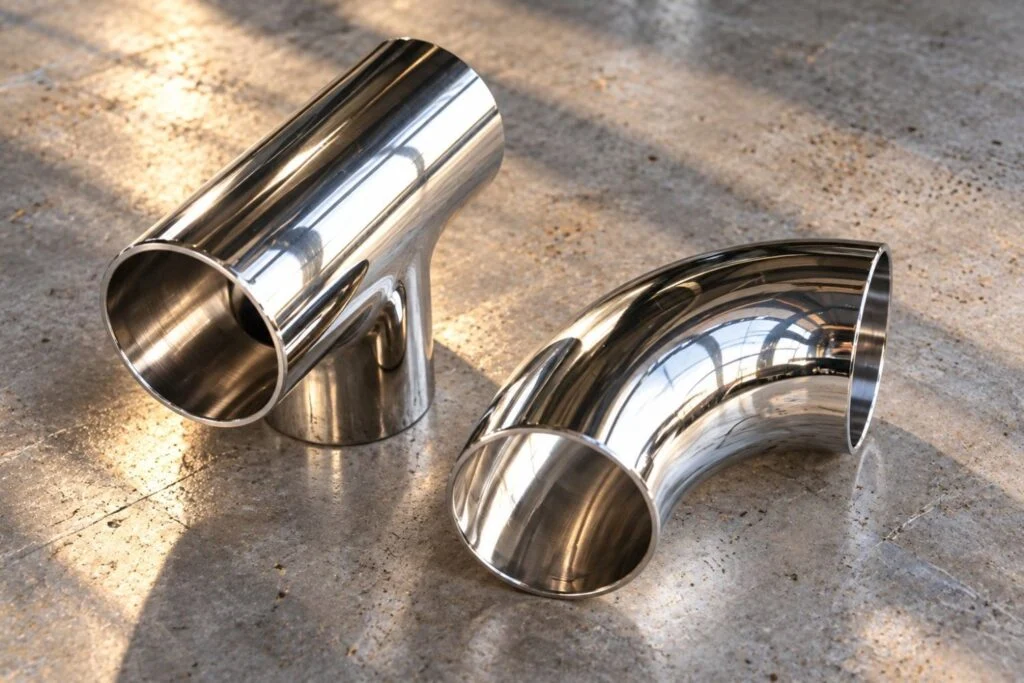
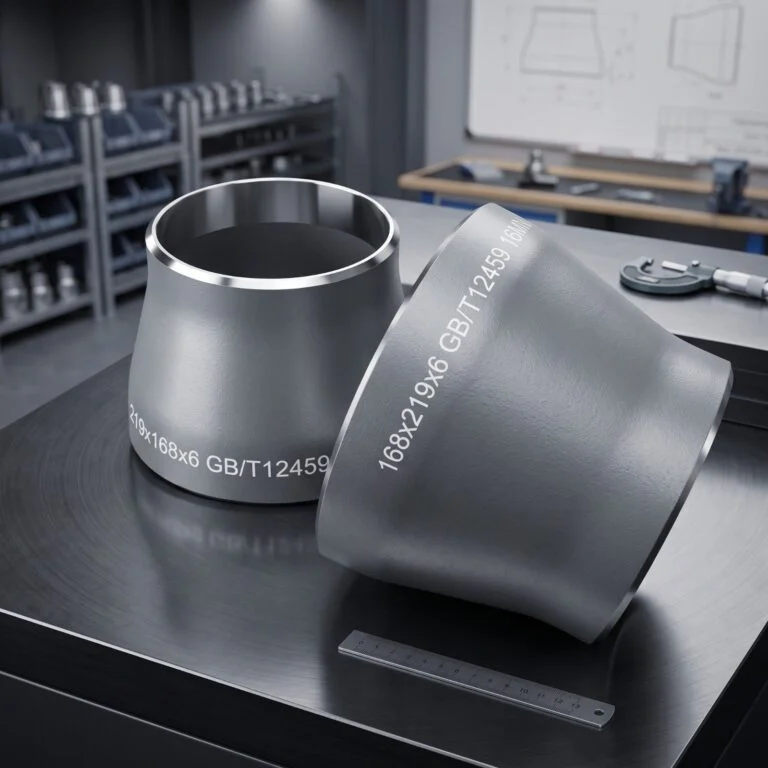
Elbows, tees, reducers and caps. Specify wall thickness, end preparation, bend radius and seamless or welded construction.
Forged fittings manufacturing
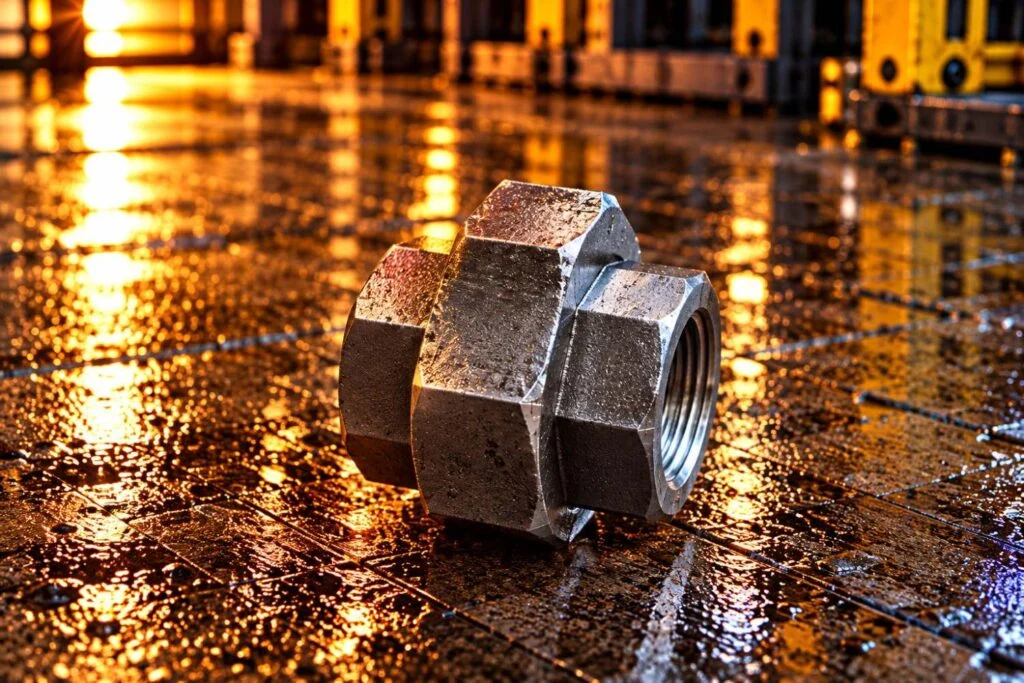
Threaded and socket-weld elbows, tees, couplings and plugs. Connection type determines the applicable dimensional and rating requirements.
Custom flange manufacturing
Nonstandard drilling, special bores and drawing-based geometries require an approved drawing and engineering review.
Order-specific production
Agree the material, process route and inspection scope before manufacture. Document any approved deviation from the original enquiry.
Traceable documents
Request material certificates, dimensional records and any special test reports in the purchase order, with traceability requirements stated clearly.
Protected for shipment
Specify protection for sealing faces, bevels and threads, together with packing, identification and destination requirements.
Clear quotation inputs
Include quantity, delivery location and required date. These affect material sourcing, tooling, batch planning and packing costs.
Media includes product views and representative process illustrations. Illustrated equipment and inspection arrangements do not establish an offered capability; the quotation defines the agreed manufacturing and inspection scope.
Flange Manufacturing
Process Controls
A reliable flange manufacturing process begins with an agreed specification. Forged flanges, formed buttweld fittings and machined threaded fittings follow different routes. Control the features that govern assembly: sealing faces, bore alignment, bolt-hole position, wall thickness and connection geometry. Final acceptance should follow the applicable standard and approved inspection plan.
- MachiningFaces, bores, hubs, bevels and bolt holes
- SpecificationSize and rating checked for each product type
- EngineeringDrawing revision and inspection criteria agreed before production
capability Yanshan · Hebei
Forging and forming
The route depends on product geometry, starting stock and material specification.
Turning and boring
Control sealing faces, bores and hubs to the drawing and dimensional tolerances.
Bolt-hole drilling
Verify the hole count, diameter, bolt circle and orientation against the mating flange.
Surface protection
Agree cleaning and protective finish without damaging the gasket contact surface.
Material selection
Choose the material grade for the fluid, design temperature and service conditions.
Dimensions and ratings
Confirm the size, wall thickness and rating combination before accepting the order.
Drawing review
Identify the applicable standard, edition, revision and critical dimensions.
Special geometries
Nonstandard flanges need a drawing and a suitable pressure-design basis.
Dimensional inspection
Check the finished component against the agreed acceptance criteria.
Marking and packing
Link product identification to the order documents and protect finished surfaces.
Flanges & Fittings: Production Details
The features to confirm before you order
Flanges, elbows, tees, reducers and forged fittings need different forming and machining operations. Browse the product details below, then watch JINYI’s latest landscape video of flange components. The images illustrate product features; they do not establish material grade, pressure rating or certification.
Flanges and fittings: product overview. Open video
Flange Manufacturing Process:
6 stages to specify
Use these six stages to define the production and inspection scope for your order. The exact pipe fittings manufacturing route depends on the product, material and governing specification. Ask JINYI to confirm the proposed route, records and delivery schedule with the quotation.
Specification and drawing review
Start with the product type, nominal size, pipe schedule or wall thickness, material grade and standard edition. For flanges, add the pressure class or PN designation, facing and bore. Custom drilling, special dimensions and nonstandard components require a controlled drawing. Resolve conflicting requirements before material is ordered.
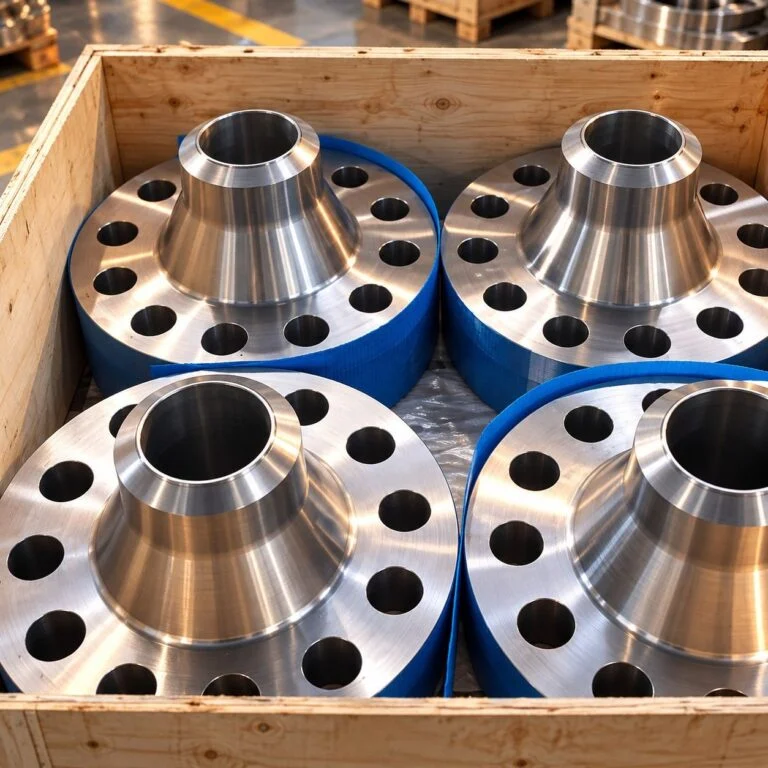
Material selection and identification
Select starting stock appropriate to the finished product: forgings for the specified forged components, and suitable pipe, plate or other permitted stock for formed fittings. Check the material designation and required certificate. Define how heat or batch identification must follow the component through cutting and processing. For example, an A182 F316L forged flange and an A403 WP316L wrought fitting use different product specifications despite similar alloy naming.
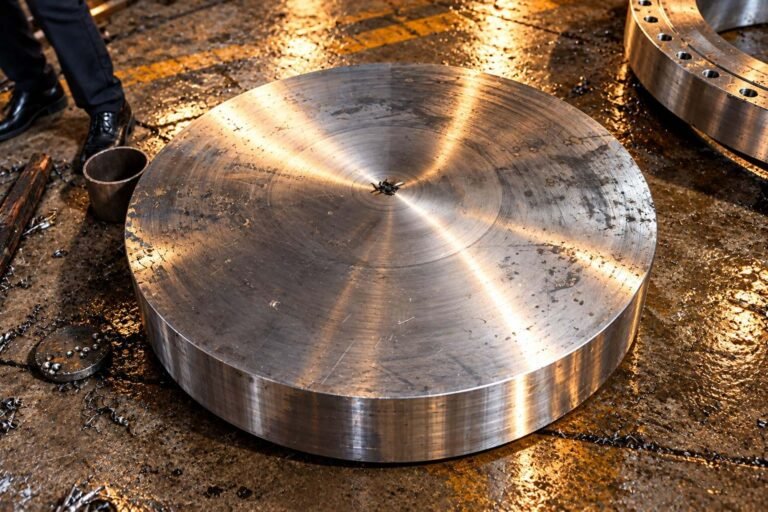
Forming and heat treatment
The flange manufacturing process may use forging or ring rolling before machining. Buttweld fittings can require hot or cold forming; welded construction adds weld-procedure and examination requirements. Heat treatment is governed by the material specification and production route. Confirm the required condition and records rather than assuming one cycle suits every grade. Confirm any intermediate heat-treatment and final material-condition requirements before machining allowances are fixed.
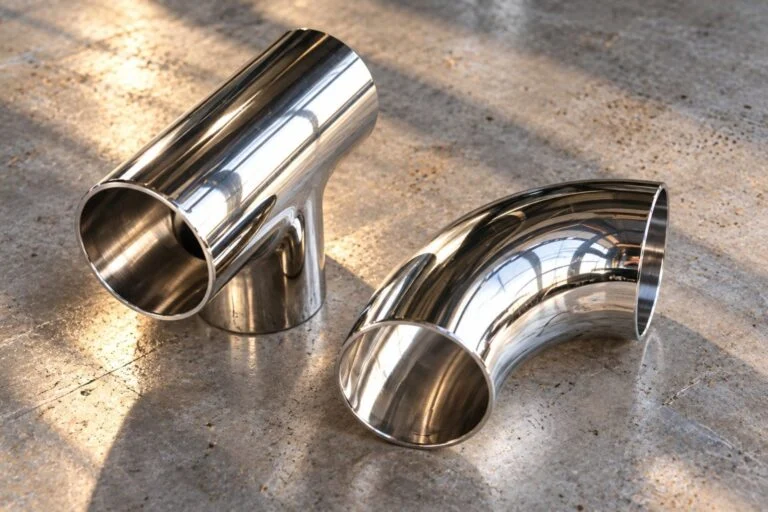
Machining and connection preparation
Machine flange faces, bores, hubs and bolt holes to the approved dimensions. For buttweld fittings, check the ends and bevel requirements against the mating pipe. For forged fittings manufacturing, verify socket geometry or the specified thread form. Inspect critical features during processing so errors are found before final finishing. Record the bore datum, flange thickness and drilling orientation. An elbow also needs its centre-to-end dimension and specified radius; a reducer needs both end sizes.
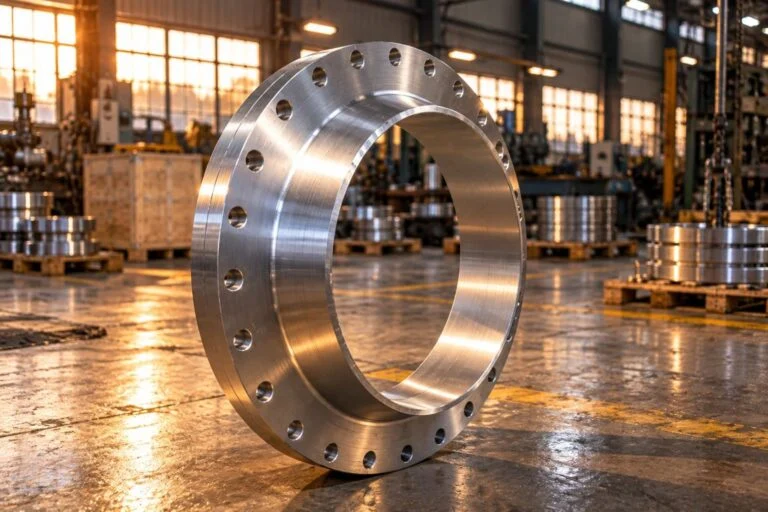
Inspection and product marking
Review dimensions, visual condition and identification against the order. Mechanical testing, chemical verification, PMI, hardness testing or nondestructive examination may be required by the grade, construction route or inspection plan. Specify methods, sampling and acceptance criteria in advance. A photograph or generic certificate cannot replace the required product records. A standard dimensional reference does not mean every loose fitting requires the same hydrostatic test. The material, product standard and purchase order determine the applicable examinations.
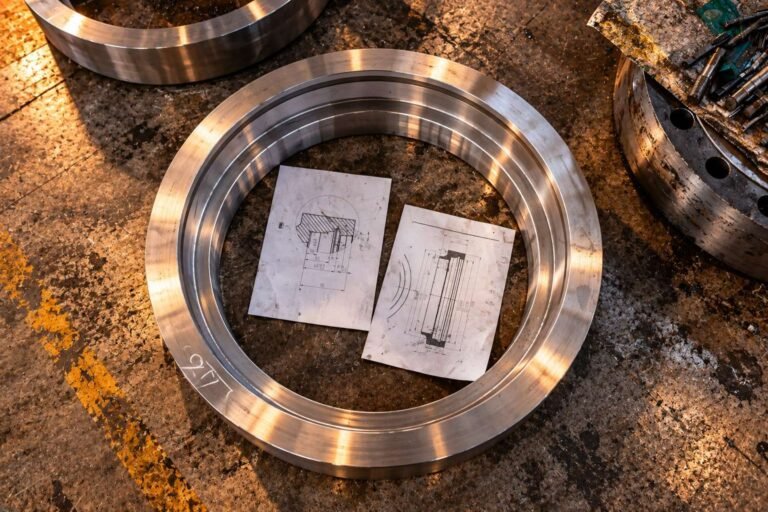
Protection, documents and dispatch
Protect gasket faces, welding ends and threads against transport damage and contamination. Agree suitable packing, component identification and the packing list. Check the ordered certificate and inspection documents before release. State any third-party witness points early, since inspection scheduling can affect delivery.
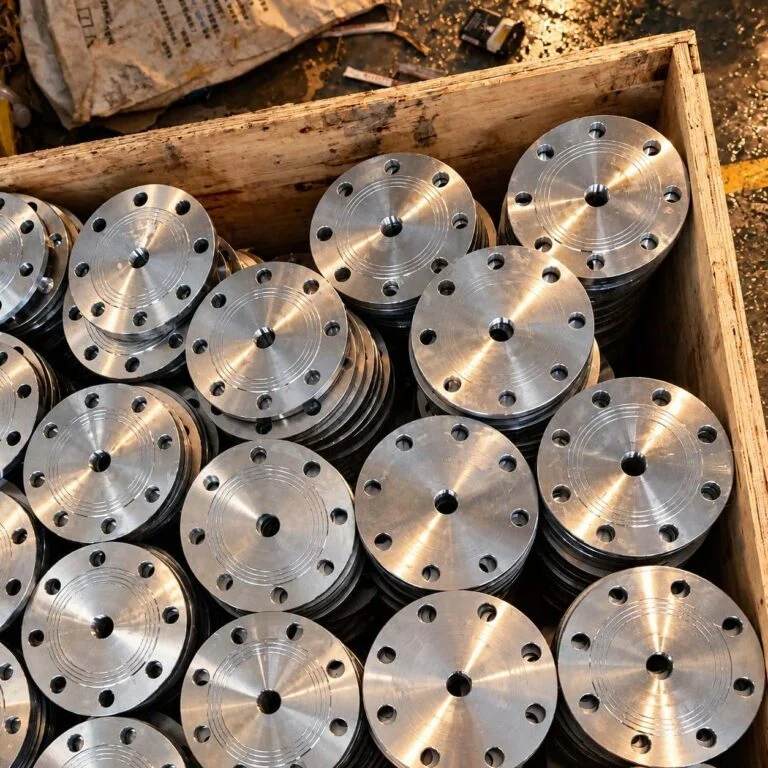
Related products
Flanges & fittings
Explore flange and fitting families connected to the forming, machining and inspection processes above.
View flanges Pipe fittings & elbows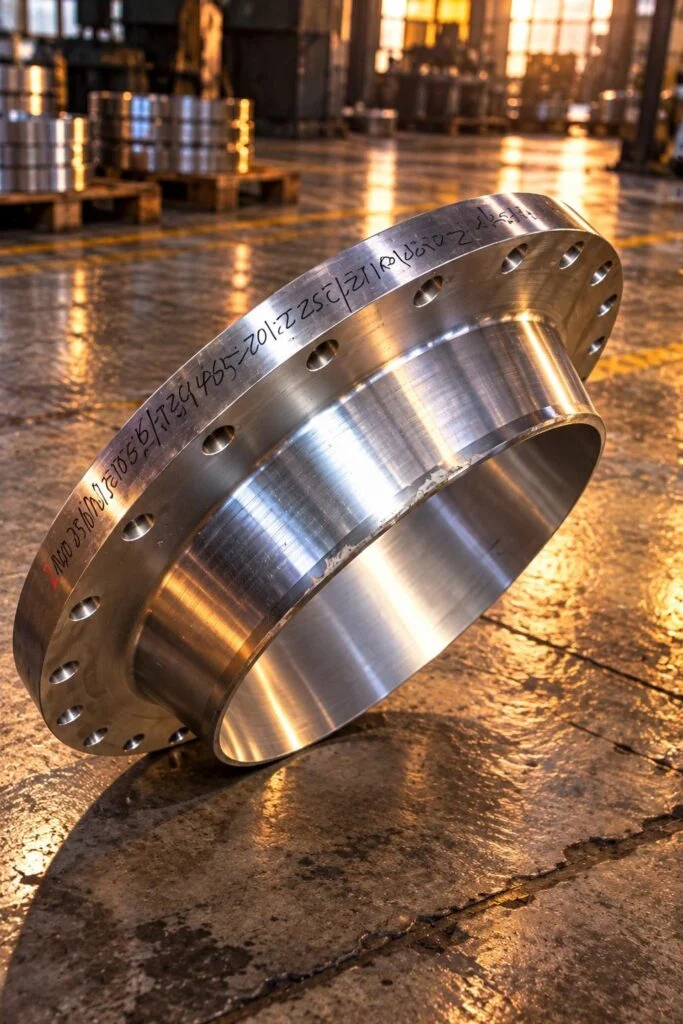
Weld Neck Flange
A weld neck flange connects a pipe to a bolted flange joint through a projecting neck with a butt-weld end.
- Tapered welding neck
- Butt-weld connection
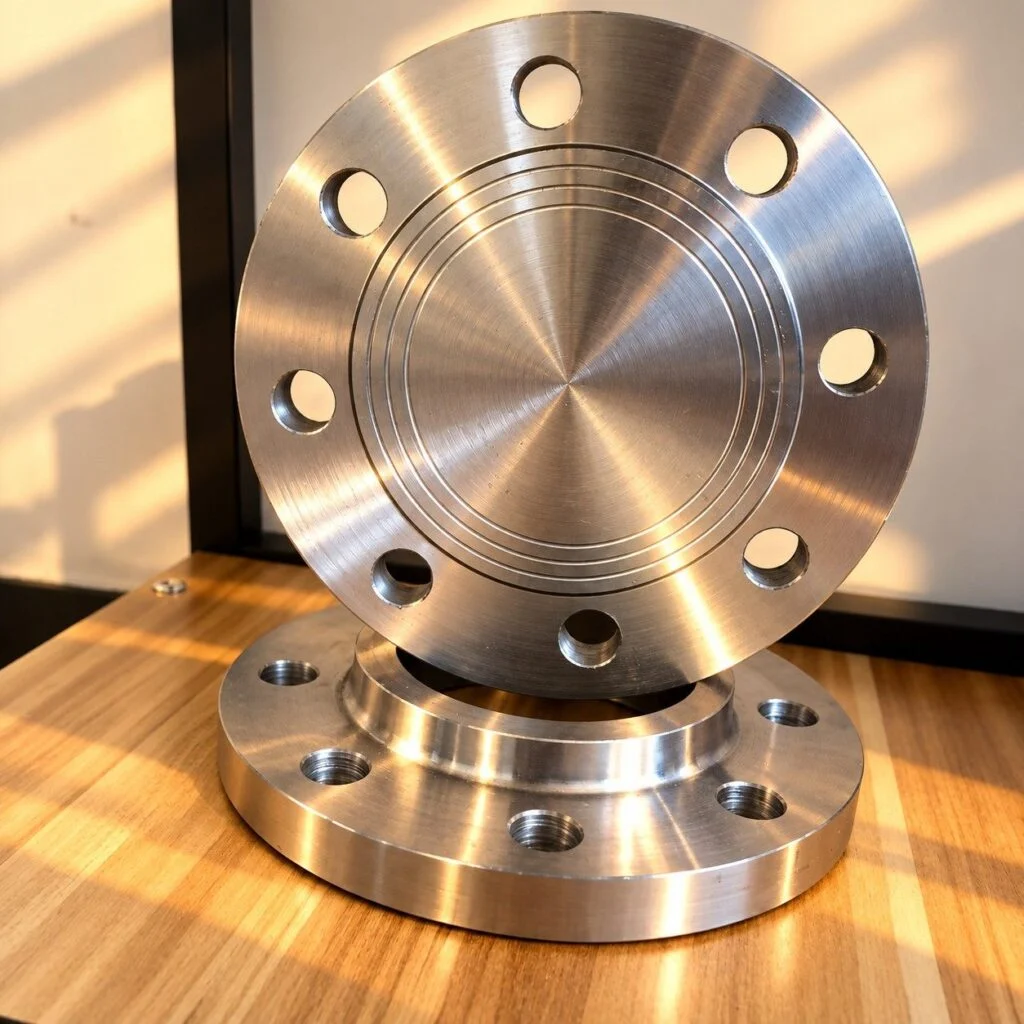
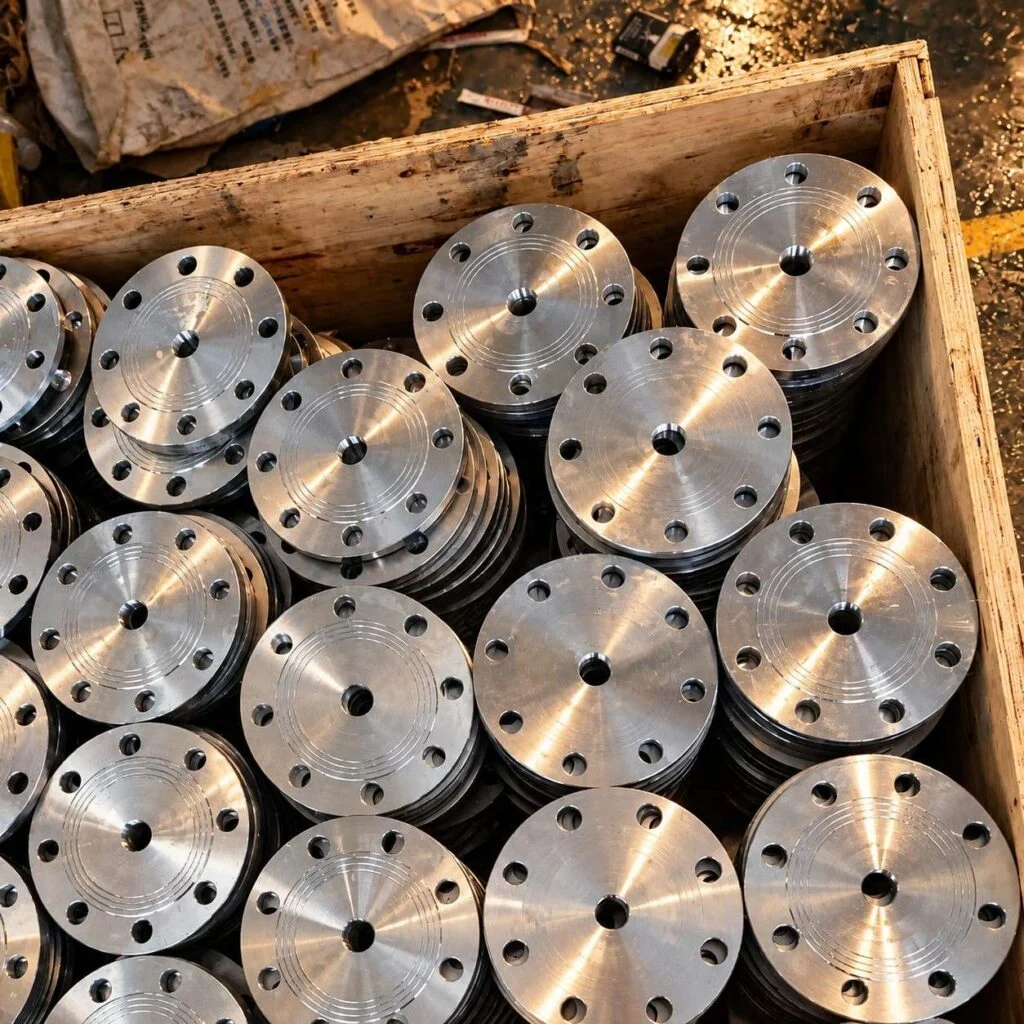
Blind Flange
A blind flange closes an open flanged connection on a pipe, nozzle or equipment outlet.
- Solid-centre closure
- Removable bolted joint
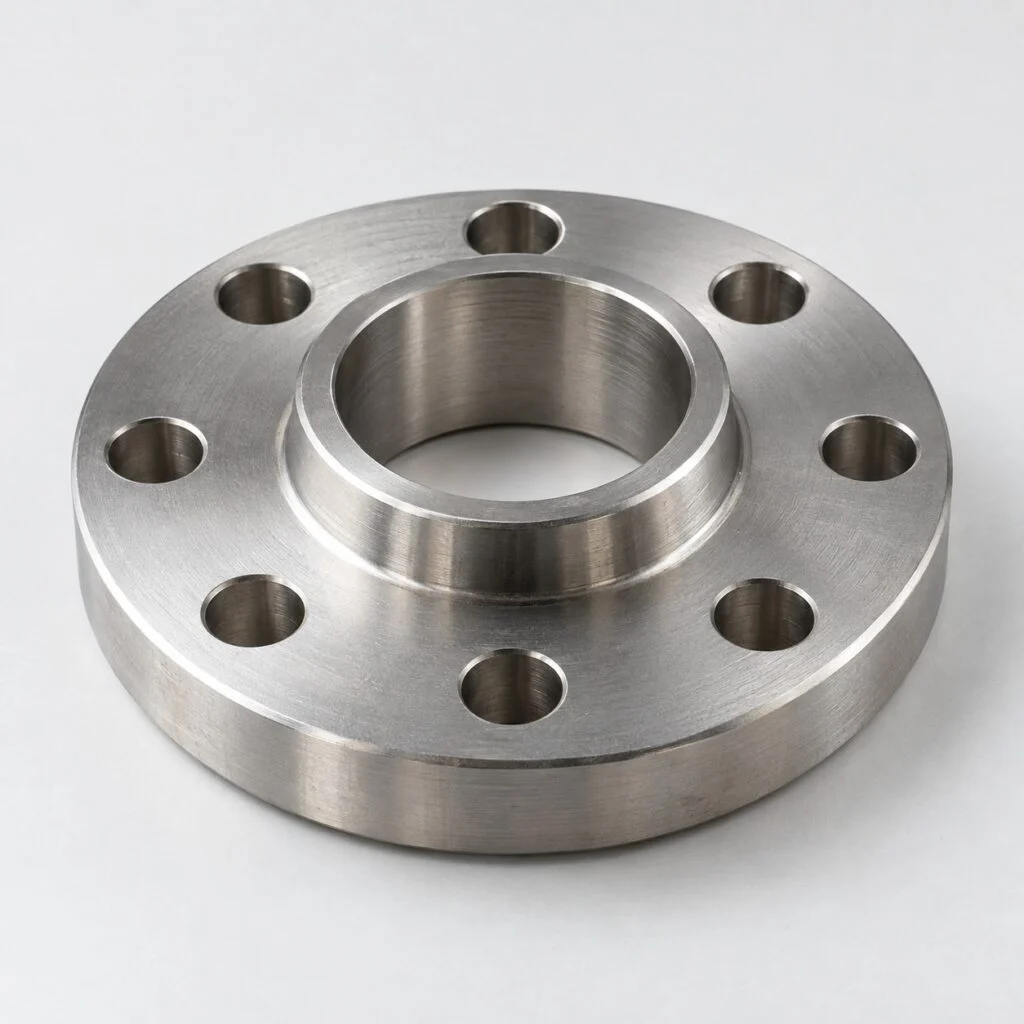
Slip On Flange
A slip on flange has a bore that fits over the pipe and a hub that locates the welded connection.
- Over-pipe bore
- Welded hub attachment
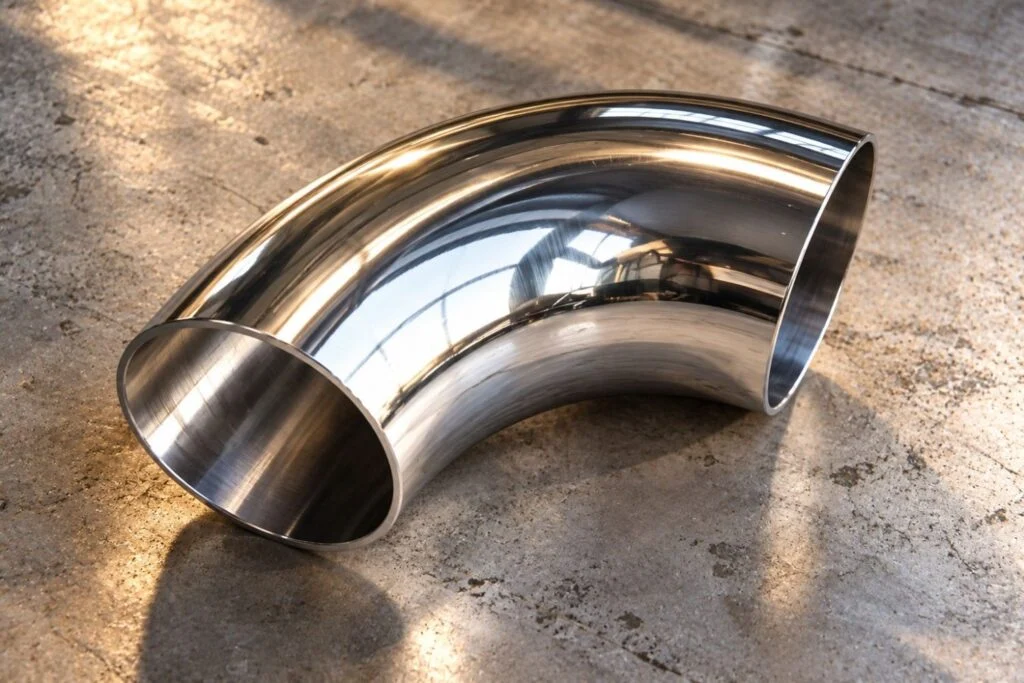
90 Degree Pipe Elbow
A 90 degree pipe elbow changes the pipeline direction through a right angle.
- Right-angle direction change
- Defined bend radius
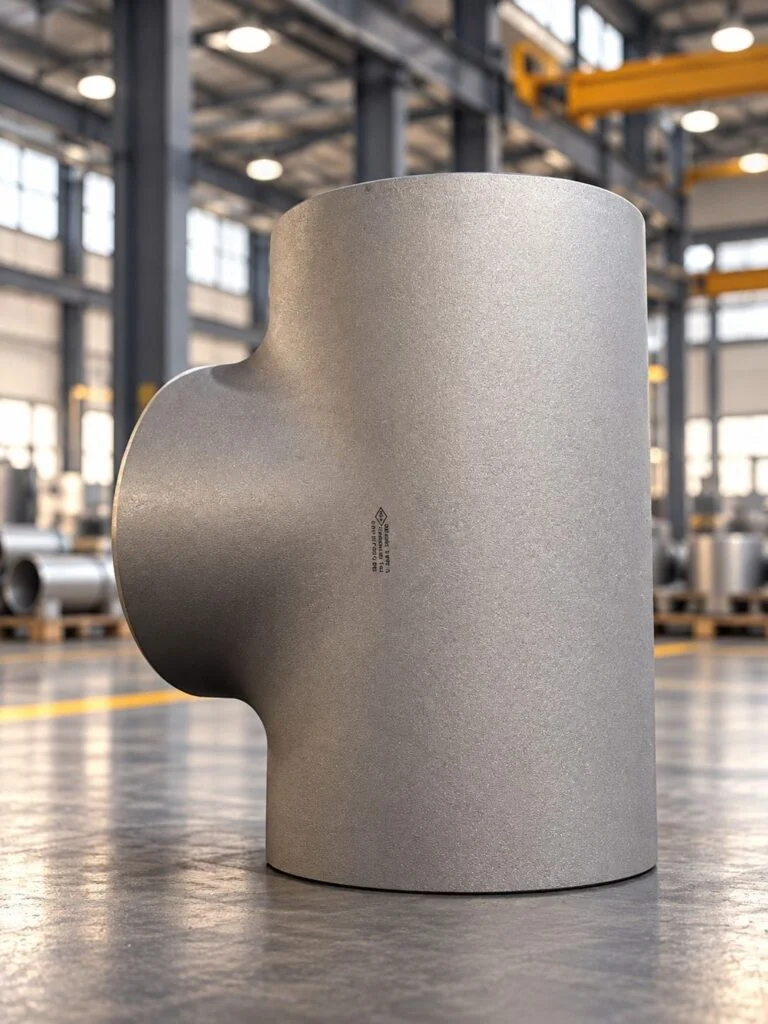
Equal Pipe Tee
An equal pipe tee creates a T-shaped junction with equal nominal sizes on its run and branch.
- Equal run and branch sizes
- Three connection ends
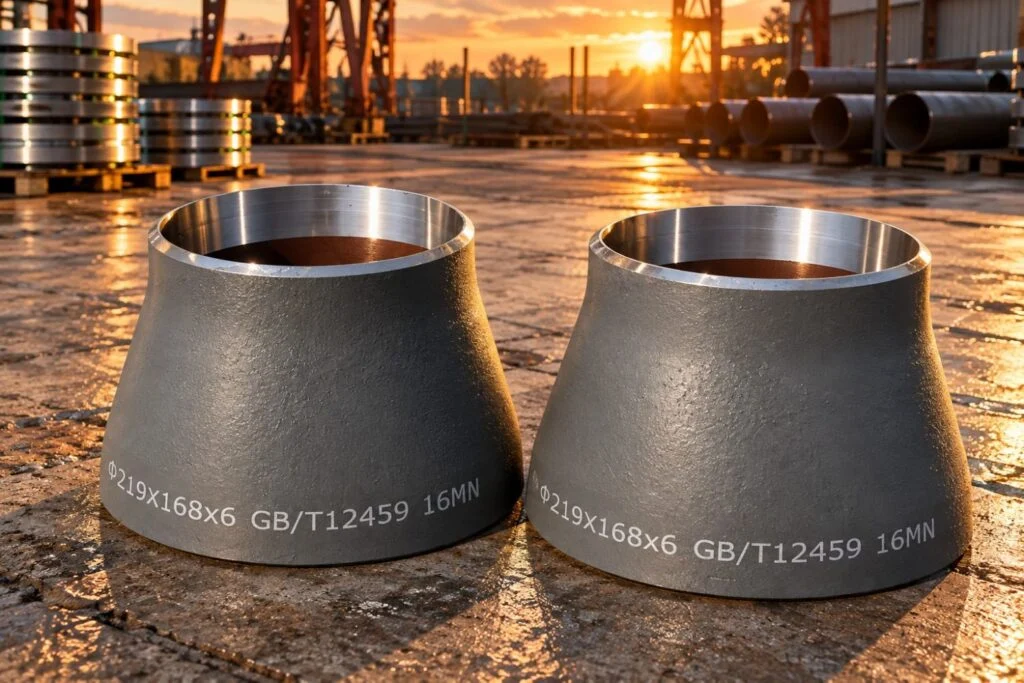
Concentric Pipe Reducer
A concentric pipe reducer joins two pipe sizes while keeping their centre lines aligned.
- Aligned pipe centre lines
- Tapered size transition
Choose the material.Confirm the specification.
Material and dimensional standards serve different purposes. For stainless steel pipe fittings manufacturing, distinguish ASTM A182 forged components from ASTM A403 wrought fittings. Specify the complete grade, construction class where applicable, heat-treatment condition and required examinations. These are reference scopes; availability and the accepted production route are confirmed for each JINYI order.
Material and process compatibility must be checked for each component.
Request the applicable certificate and inspection records.
Common specification options
Flange & fitting specification guide
Pipe fitting manufacturing| Property | What to specify | Reference |
|---|---|---|
| Pipe flanges | B16.5: NPS ½–24 for Classes 150–1500; Class 2500 through NPS 12. Confirm the exact table and material. | ASME B16.5 |
| Large flanges | NPS 26–60; specify the applicable series, class, facing and drilling. Series A and B are not interchangeable. | ASME B16.47 |
| Buttweld fittings | NPS ½–48 within standard scope; specify all end sizes, wall thickness, construction and material. | ASME B16.9 |
| Forged fittings | Threaded Classes 2000/3000/6000; socket-weld Classes 3000/6000/9000. Confirm matching pipe requirements. | ASME B16.11 |
| Carbon / low-temperature forgings | Specify A105 or the full A350 grade/class, required condition and applicable toughness requirements. | ASTM A105 / A350 |
| Alloy / stainless forgings | State the complete A182 grade, class where applicable and delivery condition; do not use a wrought-fitting grade interchangeably. | ASTM A182 |
| Wrought fittings | A234 carbon/alloy or A403 austenitic stainless, with the required grade, construction class and inspection. | ASTM A234 / A403 |
Technical references: ASME B16.5, B16.9 and B16.11. Use the edition required by the project. Nominal class is not a universal pressure in psi; allowable pressure depends on material and temperature. Availability of a grade or size is confirmed per order.
Numerical specification examples below explain how to define an enquiry. They are illustrative drawing inputs, not JINYI size, pressure, tolerance or surface-finish guarantees.
| Input | Numerical example | How to specify it |
|---|---|---|
| Bolt pattern | 8 holes = 45° spacing | For 8 equally spaced holes, 360° ÷ 8 = 45°. The drawing must also state bolt-circle diameter and first-hole orientation. |
| Bore tolerance | 100.00 ±0.10 mm | Illustrative limits are 99.90–100.10 mm. Agree the datum, measuring method and acceptance rule. |
| Order quantity | 12 + 8 = 20 pieces | Separate each size, grade and pressure class into its own line item, even when the total order quantity is 20. |
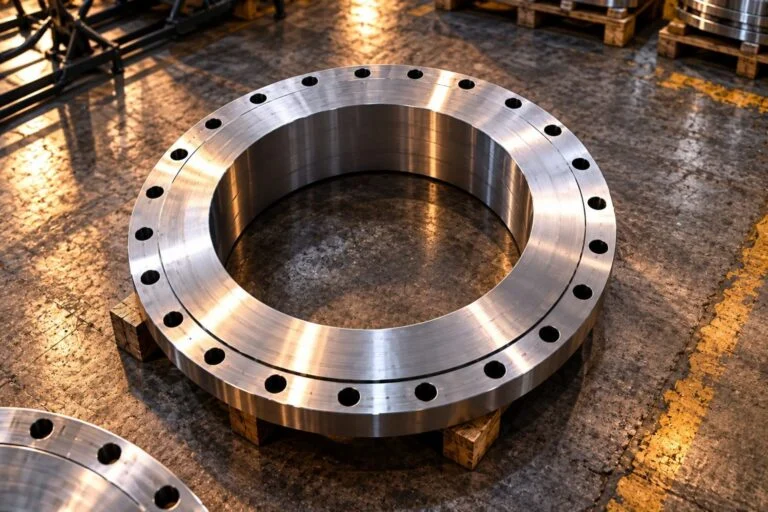
Gauging
Methods
Bore, facing, drilling and thickness against the approved drawing.
- Blank check
- Face and finish
- Bolt circle and holes
- Special tests as specified
- Marking and heat number
Define the inspection plan
Documents
Material records · inspection scope · packing list
Inspection methods
Define dimensional checks and any required PMI, hardness or NDE testing.
Specials · Cut to drawing
Custom Flange Manufacturing to Drawing
Custom flange manufacturing to drawing starts with the connection and its design basis. Provide bore, outside diameter, hub geometry, bolt circle, hole count, facing, mating component details and service conditions. The approved pressure-design basis must address the nonstandard geometry. A similar outside diameter does not transfer a standard flange rating to a custom component.
Send the controlled drawing revision, material specification, critical tolerances and inspection requirements. Define which dimensions apply after heat treatment or coating and how gasket faces are protected. JINYI will review feasibility, materials, records and delivery terms. For broader drawing-based assemblies, see custom manufacturing and OEM.
Manufacturing Guide & Buyer Questions Before you order
Practical answers for flange manufacturing and pipe fittings purchasing. Use these checks to prepare an enquiry, compare quotations and avoid mismatched connections. Product photos are illustrative examples from JINYI’s media collection, not customer project claims.
Buyer guide What should an RFQ include? Specification checklist State product type, standard and edition, material grade, nominal size, thickness or schedule, rating, facing, quantity and destination. Add the required delivery date, drawing revision, testing scope and certificates. These inputs let a manufacturer price the same scope you expect to receive.
Buyer guide Which flange standard applies? Start with the piping specification Use the project requirement and the mating connection. ASME B16.5 and B16.47 cover different size scopes; EN and other standards use their own tables. Do not mix drilling, facing or rating systems on the assumption that equal nominal sizes will mate.
Buyer guide Does Class 150 mean 150 psi? Pressure-temperature rating No. A flange class is a rating designation. Allowable pressure depends on the material and temperature in the applicable standard. The selected gasket, bolting and assembled joint must also suit the piping design.
Buyer guide What controls stainless steel pipe fittings manufacturing? Material verification Stainless steel pipe fittings manufacturing requires the correct product specification, grade and construction route. Check material identification, heat-treatment condition, weld requirements for welded fittings, dimensional inspection and surface cleanliness. A photograph cannot confirm alloy chemistry or examination scope; request the records specified in the order.
Buyer guide How are buttweld fittings specified? Pipe fittings manufacturing Specify fitting type, nominal size, wall thickness or schedule, material and dimensional standard. For an elbow, state angle and radius. For a tee or reducer, provide all end sizes. Confirm seamless or welded construction where it matters to the project.
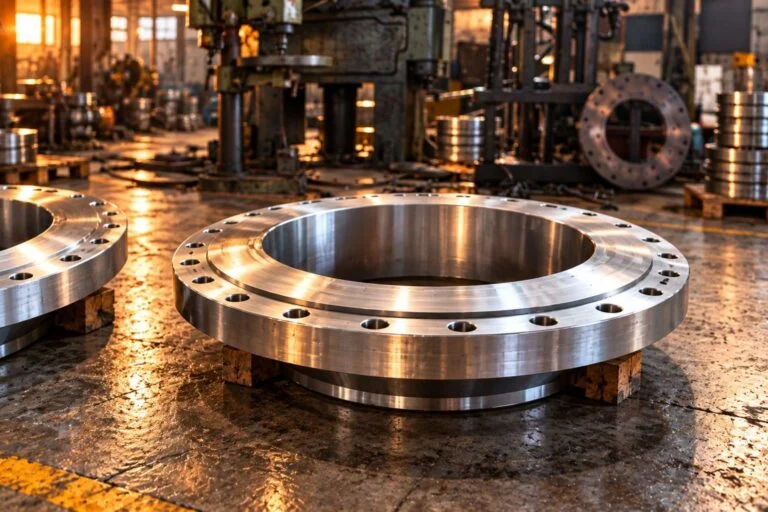 Buyer guide What controls flange sealing? Facing and gasket compatibility
 The face geometry, condition and finish must match the specified gasket and joint design. Protect finished faces from impact and corrosion. Do not apply a single roughness requirement indiscriminately to raised-face, flat-face and ring-joint connections.
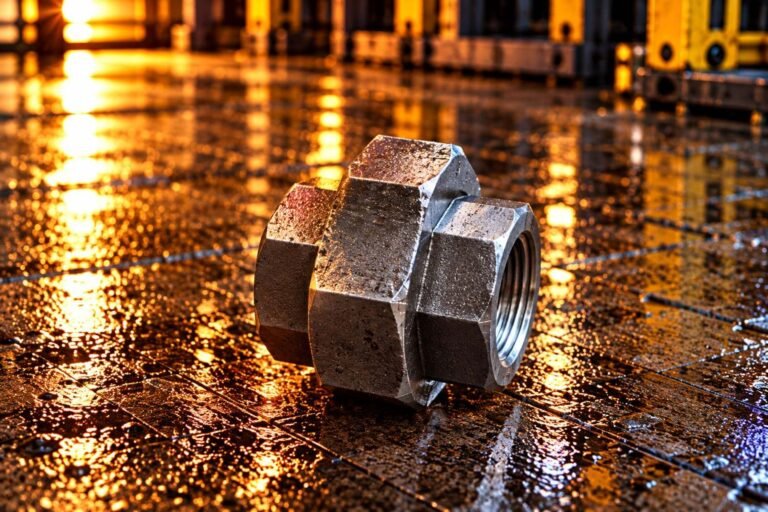 Buyer guide Are forged fitting classes identical? Forged fittings manufacturing
 ASME B16.11 uses Class 2000, 3000 and 6000 for threaded fittings, and Class 3000, 6000 and 9000 for socket-weld fittings. Confirm the connection type and matching pipe requirements rather than carrying a flange class directly across to a forged fitting.
Buyer guide What makes a custom flange different? Custom flange manufacturing A special bore, drilling pattern or geometry needs an approved drawing. Confirm material, pressure-design basis, tolerances and inspection criteria. Manufacturing to a drawing does not by itself establish that a nonstandard component has a standard pressure rating.
Buyer guide Which records should I request? Document scope List required material certificates, dimensional reports, heat-treatment records and special test reports before ordering. If EN 10204 type 3.1 documentation is required, state it explicitly and confirm what component and tests the document covers.
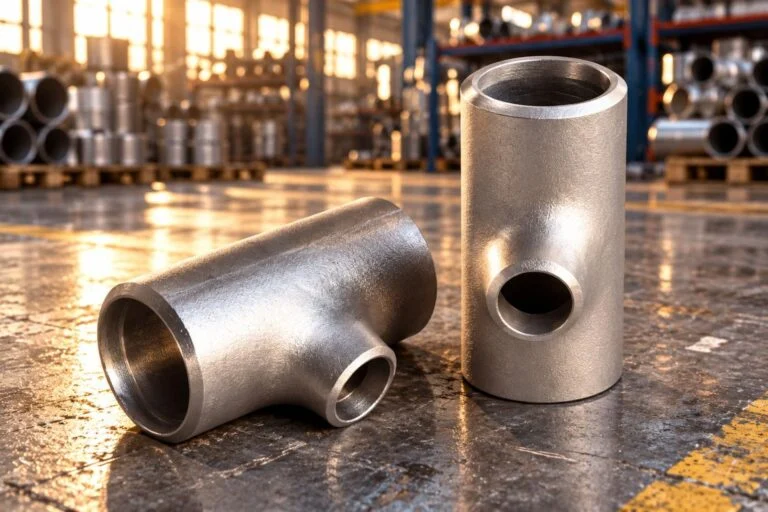 Buyer guide What determines the lead time? Production planning
 Material availability, batch quantity, tooling, machining complexity, heat treatment, testing and inspection witness points all influence delivery. Ask for a schedule tied to drawing approval and the agreed order scope; a generic website lead time may not suit your job.
Buyer guide How should parts be packed? Shipment protection Specify protection for sealing faces, bevels and threads. Agree moisture protection, crate or pallet requirements, markings and packing-list detail. Receiving teams should be able to match part identification to the documents without mixing batches.
 Buyer guide How can quotations be compared? Like-for-like purchasing
 Compare the same standard edition, material grade, size, wall thickness, rating, test scope and documents. Confirm quantity, packing, delivery basis and exclusions. A lower price may reflect a different technical or inspection scope rather than a better value.
Clear specifications make better purchasing decisions.
Ready to send
your line list?
Send the size, material, connection details and quantity. Include drawings and the required inspection documents so JINYI can confirm the technical scope and quotation.
Get a quote Confirm the drawing, material and inspection scope before production starts.
JINYI Engineering Team · Order checklistStart here
Start Your Flange Manufacturing Enquiry
Send your drawing or line list with the product type, size, material, rating and quantity. Add inspection requirements and destination so JINYI can confirm availability, scope and lead time.
JINYI Pipe FittingsCangyan Road Industrial Park · Yanshan County · Cangzhou · Hebei