
This steam system energy savings case study shows how quantified maintenance work can support an investment decision. The central lesson is to distinguish a modelled opportunity from savings reported after implementation. A plausible estimate is useful for planning, but it should not silently become an achieved result in a presentation or purchase justification.
Evidence note: This is JINYI’s analysis of a historical U.
S.
Department of Energy case study at Dow’s St. Charles Operations.
JINYI did not deliver the documented work.
Project figures are DOE-reported, in historical U.
S. dollars; the planning framework below is editorial guidance for future projects.
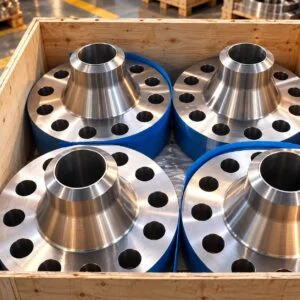
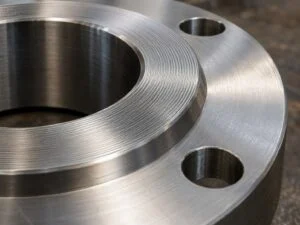
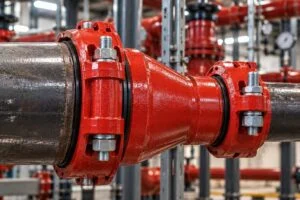
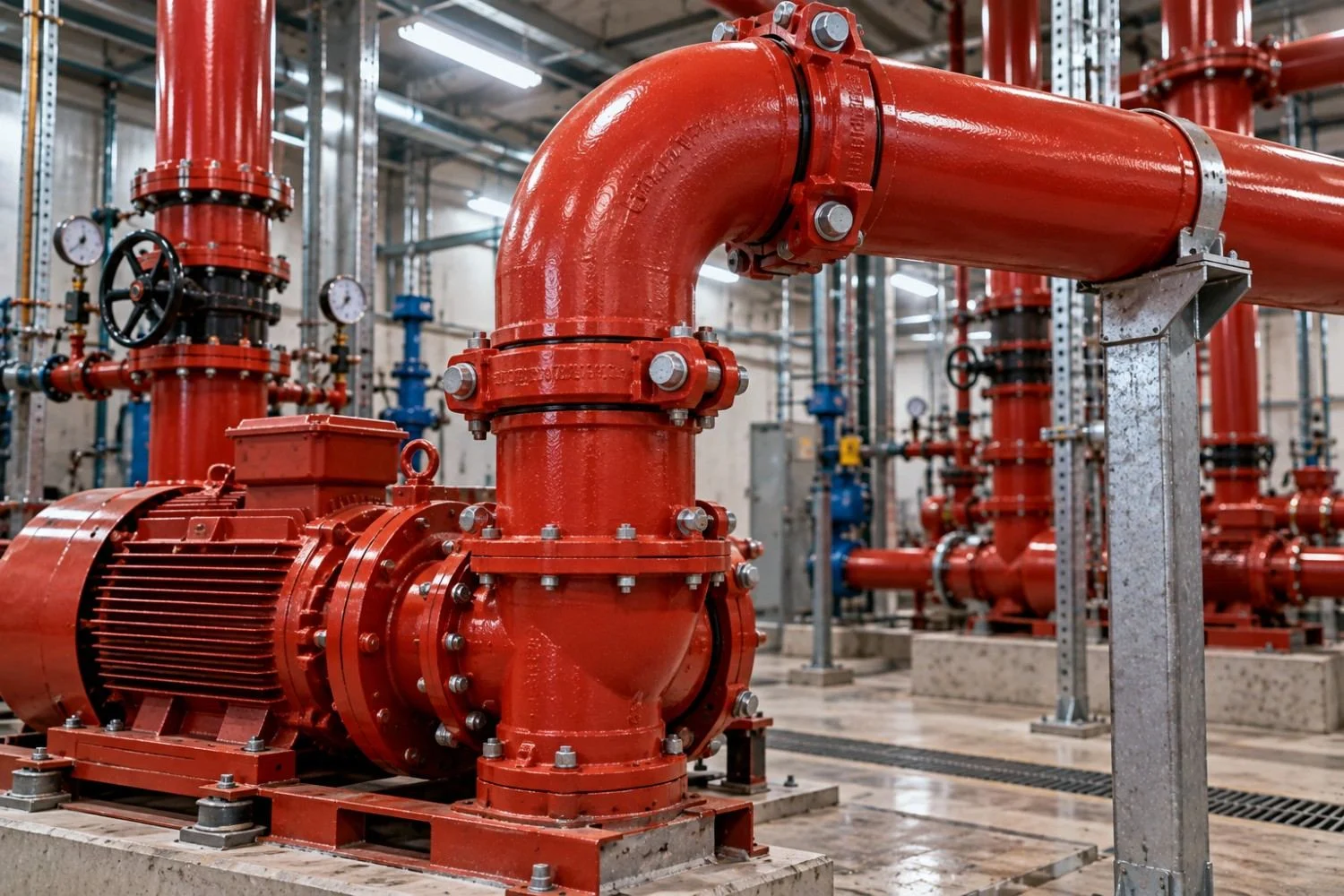
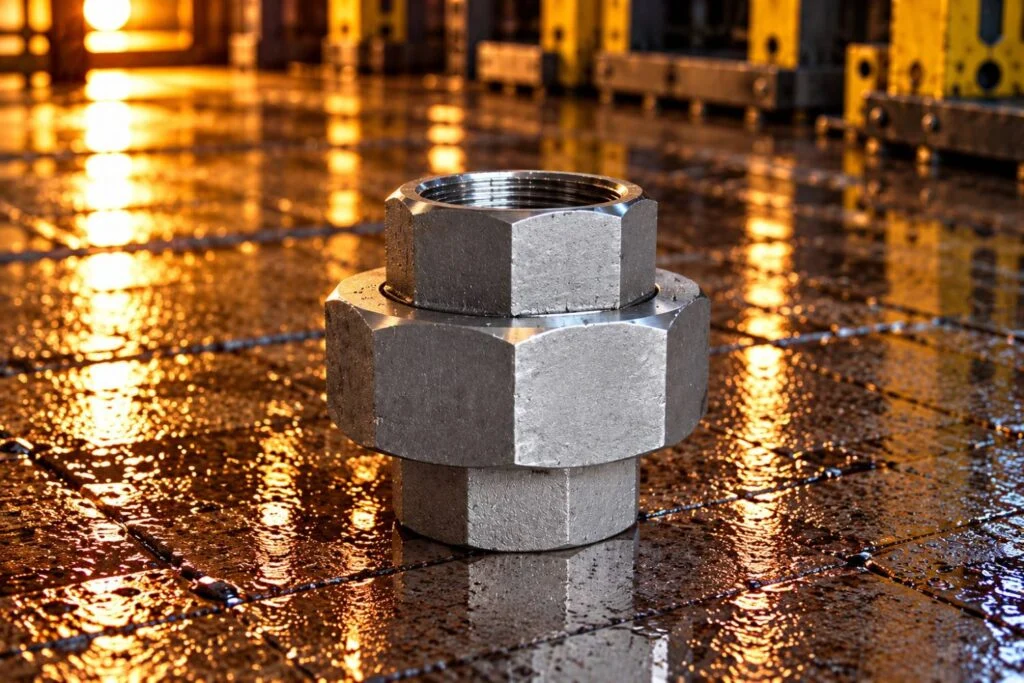
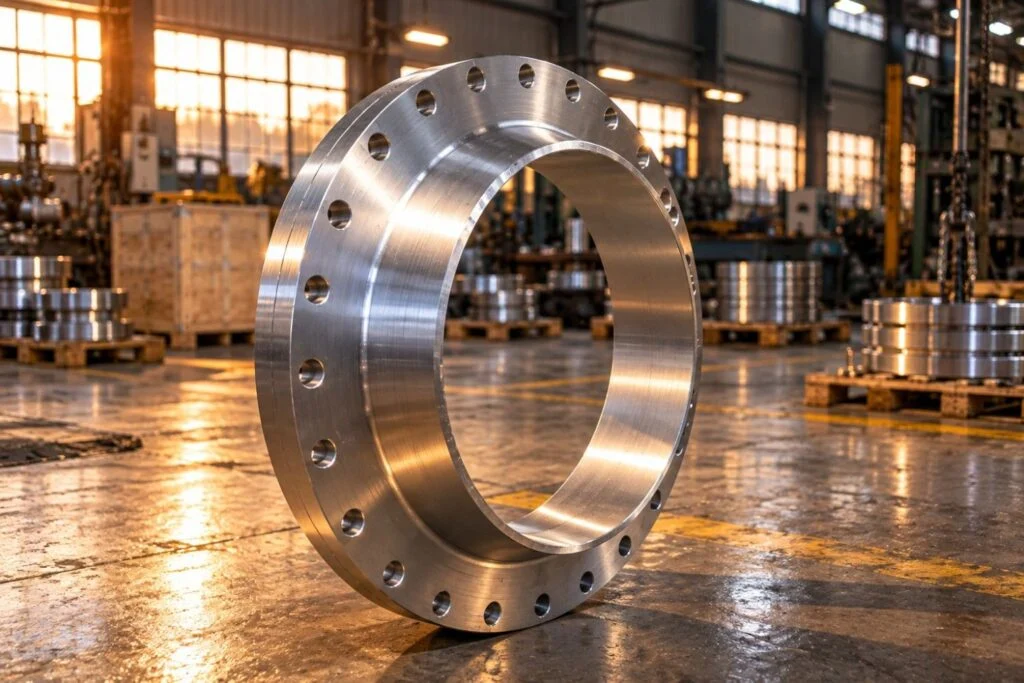
The featured image illustrates pipework components, not the Dow installation.
Problem: steam system energy savings
DOE’s November 2007 report describes a Save Energy Now assessment at Dow’s St. Charles site in Louisiana. The assessment considered failed steam traps and steam leaks. Its initial leak estimate was later revised after meter performance and other steam demand affected the calculation. [1] That correction is particularly useful for today’s plant teams.
A discrepancy between generated steam and recorded use should trigger investigation before a purchasing list is finalised. Our recommended first step is to assign an owner to each uncertain input: meter accuracy, operating hours, production demand, trap condition and distribution-loss assumptions. For steam system energy savings, keep the investigation separate from the repair log.

A suspect measurement is not a confirmed failed component. Record whether each finding is observed, estimated or awaiting verification. This prevents maintenance staff from being asked to “repair” a numerical imbalance whose cause has not yet been established.
Approach: define evidence and acceptance
For another plant, start steam system energy savings work with a measurement-boundary diagram. Identify generated steam, known users, condensate return and the instruments included in the comparison. Our proposed approach addresses the lesson in DOE’s report: an apparent balance discrepancy deserves investigation before it becomes a confirmed leak estimate.
Assign one owner to the steam system energy savings baseline and another to technical repair acceptance. These roles can coordinate closely while retaining different records. A maintenance team establishes what was repaired. An energy analyst establishes how the benefit was calculated. Steam system energy savings claims are clearer when those responsibilities remain explicit.
Create a findings register with location, observation date, evidence and status. Use separate states for suspected, confirmed, approved, implemented and verified. A suspected fault should not contribute to achieved savings. The register is JINYI’s recommended management tool, not an additional record published for Dow’s original programme.
For steam system energy savings, review measurement quality before prioritising work solely by estimated benefit. Ask which instruments were checked, which periods are comparable and which users lack measurement. Record the uncertainty rather than replacing missing data with zero. Steam system energy savings estimates should identify how those gaps affect the proposed decision.
For a hypothetical example, consider a lower steam-meter reading after production is reduced. That observation alone cannot establish a repair saving. The analyst needs to account for the changed operating condition. This illustration explains why normalisation matters and is not a separate measured result from the Dow project.
Separate repair categories when preparing the purchasing scope. A trap retrofit, leak repair, insulation reinstatement and control change may require different work packages and evidence. For steam system energy savings, ask which measure each component serves. Our steam system energy savings workflow avoids assigning the combined benefit of several measures to one purchased fitting.
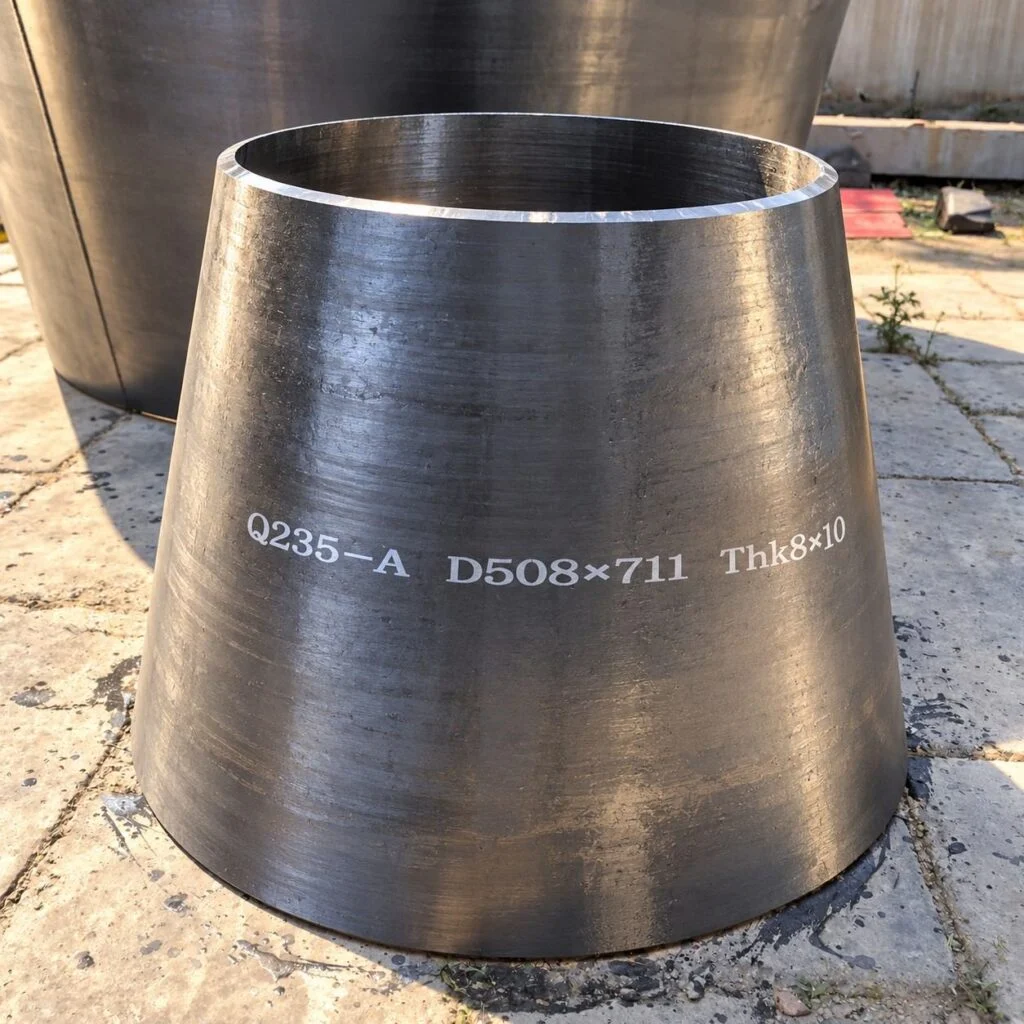
Before an outage, resolve which replacement dimensions are confirmed and which require field measurement. Record material, connection and inspection requirements on the accepted drawing. A quotation based on incomplete interfaces can omit the work that dominates outage time. Flag those uncertainties before price comparison. Require bidders to identify included documentation and exclusions.
Is the offer for supply only, or does it include installation and accepted inspection work? Who provides insulation reinstatement? Steam system energy savings planning becomes more useful when the purchase order describes the complete assigned boundary rather than an attractive component price. Keep financial assumptions separate from physical savings.
Record the energy quantity, price basis, currency, operating period and included implementation costs. Do not carry the 2007 case’s historical dollar figures into a current plant budget without replacing the relevant assumptions with current site evidence. Simple payback is an arithmetic screening measure. It divides included implementation cost by estimated annual cost saving.
It does not represent discounted cash flow or prove that a repair is technically acceptable. For steam system energy savings comparisons, show the underlying quantities beside the calculated payback. After implementation, retain completion evidence for every work package.
For steam system energy savings, record the accepted inspection or testing required by the project and the date the measure entered service. The analyst then has a defined starting point for follow-up. A purchase invoice establishes spending, not the physical completion or energy effect of the work. Check persistence after the initial result.
Ask whether the repaired locations remain satisfactory and whether operating conditions have changed. A later deterioration should trigger investigation rather than simply repeating the original annual saving in every report. Steam system energy savings reporting should identify the period for which the result remains supported.
DOE’s sourcebook and steam resources support a systems approach that includes generation, distribution, use and recovery. Use those materials to organise the assessment questions. The actual plant’s engineering team must determine repair methods, safe isolation, component suitability and the inspection requirements for pressure-boundary work.
At handover, connect the finding, work order, component record and follow-up calculation. Preserve the version of each calculation used for an approval. This makes a future audit practical and helps maintenance distinguish a repeated physical fault from a revised assumption or a measurement problem.
Solution: connect specifications to delivery
The documented programme repaired leaks and replaced failed traps. DOE reports that steam-trap maintenance and leak management became continuing programmes. [1] For a new site, the following workflow is our proposed way to connect an assessment to reviewable component and maintenance decisions.
Give every finding an identifiable location
Create a register that connects the finding to a line number, component identifier and location. Attach the accepted inspection evidence. State the proposed repair or replacement scope and who must approve it. A list saying “several steam leaks” is difficult to price, schedule or verify.
When a replacement affects a flange or fitting, provide the approved duty and connection drawing. JINYI’s flanges and pipe fittings pages help identify component families, while the project specification determines the required material, dimensions and acceptance evidence. The case does not establish that JINYI supplies steam traps or complete energy-assessment services.
Define success before authorising expenditure
We suggest writing a short acceptance statement for each work package. For steam system energy savings, identify the condition to be corrected, the inspection or test used to confirm completion and the energy measure used to evaluate benefit. Separate operational acceptance from the financial assessment.
A completed repair and an accepted annual-saving calculation are different records. If an outage combines several improvements, retain their separate costs and evidence where practicable. Do not credit a replacement flange with the full benefit of a trap programme, insulation upgrade and control change.
The benefit should follow the measure whose contribution can be supported.
Keep the comparison period consistent
Record production, operating hours and the conditions used for the baseline and follow-up. Ask the energy team how it will normalise material changes in production or weather. For steam system energy savings, retain the method with the results so the next reviewer can understand the comparison.
The steam system energy savings goal is not a complicated dashboard. It is a small set of measurements with clear boundaries. A well-defined before-and-after comparison is more valuable than a large spreadsheet that combines inconsistent time periods and uncertain steam quantities.
Results: documented numbers and evidence limits
| Implemented measure | DOE-reported annual energy saving | DOE-reported annual cost saving |
|---|---|---|
| Steam-trap retrofit | 109,000 MMBtu | Approximately $792,000 |
| Steam-leak repairs | 163,000 MMBtu | A little over $1.1 million |
| Combined reported total | 272,000 MMBtu | Approximately $1.9 million |
DOE also reports approximately $225,000 in implementation cost and a simple payback slightly longer than six weeks. [1] These are historical site results, not current energy prices or a guaranteed saving for another plant. Using the rounded reported total, $225,000 ÷ $1,900,000 equals approximately 0.118 years, or 6.2 weeks using 52 weeks per year.
This is our arithmetic check, not a newly measured outcome. It excludes financing and discounting and inherits the rounding in the source figures. The report also lists unimplemented or assessed opportunities. [1] Do not add those estimates to the achieved saving.
Keep a benefits register with separate columns for identified, approved, implemented and verified measures so project progress cannot be confused with financial performance.
Takeaways: five decisions for your next project

An evidence plan for another steam network
| Planning item | Proposed evidence | Why the distinction matters |
|---|---|---|
| Baseline | Time period, meter review and operating conditions | Establishes the comparison boundary |
| Confirmed fault | Identified location and accepted inspection finding | Separates a fault from an estimate |
| Repair scope | Approved drawing or work instruction | Makes the replacement reviewable |
| Completion | Inspection or testing required by the project | Establishes accepted work |
| Follow-up energy result | Normalised before-and-after calculation | Supports the benefit claim |
| Recurrence review | Reinspection and exception register | Tests whether the correction is sustained |
For insulating accessible valves and fittings, DOE separately provides a tip sheet on removable insulation. [2] Use its guidance as a starting point for a project-specific review, not as a substitute for checking temperature, access and the selected system’s instructions.
Coordinate maintenance access with the accepted insulation design rather than treat reinstatement as an optional final task. Where pressure-boundary work is involved, identify the applicable piping code and inspection scope. ASME’s public B31.3 description includes assembly, examination, inspection and testing. [3] A financial payback target does not replace those engineering acceptance requirements.
Improve the next procurement decision
We recommend grouping a future component enquiry by approved work package and required outage window. Include the line identifier, material and dimensional requirements, quantity, documents, packing requirements and delivery destination. Flag anything awaiting field measurement. This helps bidders quote the actual replacement boundary rather than supply an attractive but incomplete generic price.
At handover, connect the installed component record back to the finding and follow-up result. For steam system energy savings, record why a repeated fault occurred before ordering the same replacement again. A maintenance programme then produces a better specification over time instead of repeating an uncertain diagnosis.
Steam system energy savings reporting should always identify whether a figure is assessed potential or a result reported after implementation. DOE’s case provides separate examples of those states. Combining them in one achieved-saving total would change the meaning of the evidence and overstate what the project delivered.
For a future programme, retain energy and financial quantities independently. A change in fuel price changes the cost saving even if the physical energy saving stays constant. Record the price period and assumptions so management can understand why a payback calculation changes over time.
Use the historical six-week payback as an attributed case result, not a target promised to every plant. The arithmetic check in this article uses rounded source values. A new project requires its own costs, measured conditions and accepted benefit calculation before it can support an investment decision.
Steam system energy savings should also inform better component enquiries. A clearly identified repair boundary lets purchasing request the right drawings, material evidence and delivery arrangement. The maintenance team can then compare a supplier’s offer with the accepted work package rather than an uncertain fault description.
Close the programme with a recurrence review and a document index. Record what changed, what was measured and which assumptions remain. Steam system energy savings work then leaves the plant with actionable maintenance knowledge as well as a financial result whose basis can be explained.
For steam system energy savings, prepare a closing benefits register that distinguishes implemented work, accepted inspection and the result of the follow-up calculation. Retain the version used for each investment approval. A later fuel-price update should remain identifiable rather than silently changing the historical calculation.
Ask whether another measure affected the same measurement boundary. The analyst should explain how overlapping effects are handled before individual savings are added together. For steam system energy savings, connect the repair record to the date the measure entered service. That gives the follow-up analysis a defined starting point.
A planned shutdown can change the comparison period as well as installation cost. Record that operating condition instead of treating the resulting meter difference as a benefit. Keep the maintenance findings accessible to the purchasing team. A clearer recurrence history helps a future enquiry describe the actual accepted repair boundary.
Close outstanding measurement questions separately from purchasing completion. A paid invoice does not remove an uncertainty in the annual energy-saving calculation. Record the calculation period beside the reported physical savings. Keep historic prices distinct from current budget planning assumptions. Link the accepted repair to its original identified finding.
FAQ: practical questions and answers
Are these savings representative of every steam plant?
No. They are historical results from one documented site. A new plant needs its own measured conditions, repair scope, energy prices and verification method.
Why did the initial leak estimate need revision?
DOE identifies measurement and demand-allocation issues. The lesson is to validate an apparent balance discrepancy before treating it as a confirmed leak load or achieved saving. [1]
What is the most useful purchasing output of an energy assessment?
An approved, identified work package with an explicit acceptance method. Our recommendation is to keep estimated benefits, accepted repair completion and verified savings as separate records.
What separates steam system energy savings from repair completion?
Completion records establish accepted work. A benefit calculation needs comparable operating conditions and a stated measurement method.
Can steam system energy savings be reported at historic prices?
Identify the price basis. For a current budget, use accepted current site assumptions rather than silently carrying historical dollar values forward.
For the component scope of a future steam system energy savings maintenance project, review JINYI and its flange and fitting manufacturing information. Send your approved replacement drawing and duty requirements to discuss a quotation.