
The JINYI journal
JINYI
 Yanshan, CN
 5articles
news and
5articles
news and
 blog.
blog.
JINYI news and blog updates on pipe fittings, materials, inspection and manufacturing. Practical context for project and procurement teams.
All articles
The JINYI blog, organised by topic.
Browse industry analysis on pipework, standards, materials and energy. Published articles appear here automatically, with sources and practical guidance.
 Inspection & upkeep
Industrial Heat Electrification: 5 Critical Checks
Review industrial heat electrification with practical checks for steam losses, useful demand, energy-price assumptions and documented component procurement.
13 Oct 20266 min readRead article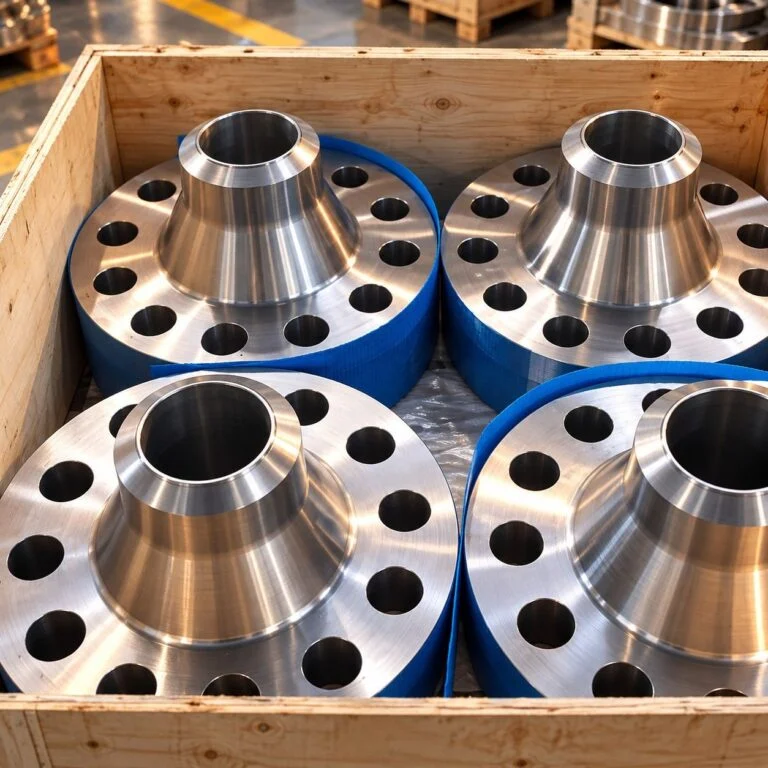 Materials & grades
CBAM Pipe Fittings Documentation: 5 Critical Checks
Plan CBAM pipe fittings documentation with practical checks for classification, supplier evidence, material traceability and importer-approved handover.
13 Oct 20266 min readRead article Installation & welding
Data Centre Cooling Piping: 5 Critical Buyer Checks
Review data centre cooling piping against the IEA’s AI outlook, with practical checks for interfaces, drawings, commissioning and component procurement.
13 Oct 20266 min readRead articleShowing 1–3 of 3 published articles
The long read
How to use this pipe fittings blog.
Six reading steps to help you turn a company update into a clear project question. Select a chapter below.
Read the whole thingChapters06
Blog reading guide · 01
Read the scope before the headline
Nobody has ever regretted writing the design conditions down before asking for a price.
A useful pipe fittings blog should help a buyer understand what has changed and whether that change matters to an actual project. Start with the subject, publication date and product family. A workshop update, a general explanation and an order-specific instruction have different purposes. Keep the original enquiry and approved specification beside the article so that a helpful observation does not quietly become a new contractual requirement. Use the pipe fittings and elbows catalog to identify the relevant product family before applying an article to an order. For related supplier information, see Company Profile and Factory Tour.
For JINYI news and blog updates, look for a clear distinction between a current company announcement and general background information. An article about a production method explains a process; it does not establish that every size, material or finish is available from stock. A photograph illustrates the subject, while the quotation and approved drawing define the item offered. Ask about availability using the exact line-item reference rather than relying on a picture alone.
Dates deserve the same attention as titles. A dispatch update relates to its own reporting period. An older explanation can remain useful, but the standard edition, product range and contact details may need checking. When sharing a blog article internally, include its URL and the date you consulted it. This gives colleagues a clear starting point if a linked document changes later.
Use the topic filters to narrow the archive, then open the full article for context. Read the surrounding explanation before forwarding a single sentence or screenshot. If the page has not yet published an article on your question, contact JINYI with the application and the information you need. The archive will grow as new posts are released.
Blog reading guide · 02
Check what the standard actually covers
A standard reference is useful only when its scope matches the question. In a pipework news item, separate dimensional standards, material specifications, assembly guidance and the governing project code. These documents perform different jobs. A reference to one does not replace the others, and a familiar designation is not a complete purchasing description. Record the edition required by the contract when discussing an update with suppliers.
ASME B16.5 addresses pipe flanges and flanged fittings, including pressure-temperature ratings, materials, dimensions, tolerances, marking and testing within its defined scope. ASME B16.9 addresses factory-made wrought buttwelding fittings. The official publisher pages linked here provide scope information; obtain the applicable standard and its tables for the engineering decision. A blog summary cannot reproduce every limitation, note or condition that accompanies a rating.
Do not read a class number as a universal operating pressure. The responsible project engineer must consider the selected material and design conditions using the applicable documents. Equally, do not treat two standards as interchangeable because nominal sizes look similar. Mating dimensions, facing, drilling and the relevant acceptance requirements need a documented comparison. Ask the team to identify the exact point being compared when a post discusses alternatives.
When an industry update mentions a revised standard, first determine whether your purchase order calls for that edition. Existing projects may have an agreed document baseline. Put the proposed change through the normal review process, with the affected items and documents identified. This keeps news and blog content useful without letting a general update override an approved project specification. ASME B16.5 scope and ASME B16.9 scope.
Blog reading guide · 03
Keep material, geometry and finish distinct
Material discussions are easier to follow when three questions stay separate: what the component is made from, what shape and dimensions it has, and what surface condition is required. A grade name alone does not describe a finished fitting. The product form, specification, manufacturing route, heat treatment where applicable, dimensions and required documentation all contribute to the purchasing description.
For example, ASTM A403/A403M covers wrought austenitic stainless steel piping fittings. That scope is different from a generic statement that an item is stainless steel. The relevant specification should match the product being purchased. A blog article may introduce a grade family or explain terminology, but an approved material selection must account for the actual medium, temperature and project requirements. Avoid substituting a grade based only on appearance or a familiar trade name.
Surface treatment should be stated separately. If an update concerns coating, protection during transport or a machined sealing face, identify the service environment and the surface being discussed. Packaging protection and an in-service coating are not the same thing. Ask for the specified preparation, inspection method and acceptance criteria where they affect the order. A photograph can show condition but cannot establish a measured thickness or roughness value.
A practical way to use the JINYI blog is to turn each unfamiliar term into a precise enquiry question. Include the original grade designation, the product type and the governing requirement. If an alternative is proposed, request a written comparison of the affected properties, dimensions and documents. Keep the accepted answer with the current drawing revision so procurement, engineering and inspection work from the same decision. ASTM A403/A403M scope.
Blog reading guide · 04
Read inspection information as evidence
Inspection updates are most useful when they explain what was checked, against which requirement, and how the result was recorded. A general workshop image can introduce the subject, but it is not an inspection report for your order. Look for the item reference, drawing revision, measuring method and acceptance criterion when evaluating a project-specific result. These details connect a measurement to a requirement that can actually be reviewed.
Separate an incoming material record from an in-process measurement and a final release document. They answer different questions. Material identification relates the component to the specified material record. Dimensional inspection compares features with the agreed drawing or standard. Any additional examination or test should have its own defined scope. A statement that an item was checked is less informative than a record showing the characteristic, result and applicable limit.
For supplier discussions, prepare a short list of critical interfaces: the mating component, bore, connection details, overall envelope and any installation constraints. Mark the dimensions whose variation matters to the assembly. Request the documents that support those requirements at enquiry stage. If witnessing or independent review is required, identify it before the production programme is agreed, because access and scheduling need coordination.
The news blog can explain how records are organised and why particular checks matter. Use the Technical Help page for a specific drawing or inspection question and the Downloads page for document requests. When forwarding a report, preserve its revision and item identification. A cropped image that removes the title block or acceptance criteria can make a correct result difficult to interpret.
Blog reading guide · 05
Turn an update into a useful enquiry
Reading industrial pipework news is only the first step. To make an update useful, connect it to the decision you are trying to make. Are you clarifying a specification, checking whether a drawing can be reviewed, planning an inspection, or asking about an order? State that purpose at the start of the enquiry. It helps the receiving team identify the right documents and avoids a reply that answers a different question.
For a product-related question, include the family, size designation, material specification, connection type and quantity. Add the drawing number and revision if a drawing controls the item. For a programme question, give the required delivery location and date, and say whether you mean factory readiness or arrival at destination. Those are separate milestones. Any proposed schedule still needs confirmation against the actual order scope.
If a blog post mentions a process you want to discuss, link the post and describe the feature that interests you. A short marked-up PDF or a clear photograph with a scale reference can be more useful than a long description. Identify assumptions and unanswered questions explicitly. Do not rely on a photograph to communicate pressure, temperature, material grade or a hidden mating dimension.
Use one controlled enquiry package when several colleagues are involved. Nominate a contact for consolidated comments and list which files supersede earlier versions. A reply can then refer to a stable set of requirements. The aim is a written answer that can be checked and carried into the next project step, rather than a collection of separate messages whose revisions are hard to reconcile.
Blog reading guide · 06
Keep the information connected
A requisition that names seven things gets seven things. One that names four gets four and three guesses.
The three JINYI resource pages serve different needs. News & Blog provides company updates and editorial context. Case Studies is the home for published project records. Technical Help supports drawing, material and manufacturing questions. Product pages describe the available families, while Downloads handles requests for technical documents. Follow the relevant link when the question moves from general reading to a particular item or order.
Save the source URL when a blog article informs a discussion, but keep the final project decision in the approved project records. An article is a useful reference; the quotation, agreed specification and released drawing define the supplied scope. Record who reviewed a proposed change and which documents were updated. This is particularly helpful when the same component appears in several line items or separate delivery batches.
Published posts will appear automatically in their matching archive. Titles, featured images, excerpts and links come from the post itself, and the newest published items appear first. Topic tags help readers narrow a large archive. Draft, private and password-protected posts are not part of the public article listing. The Coming soon cards simply reserve the existing visual layout until content is available.
If a link or explanation needs correction, send the page address and a short description of the issue through Contact Us. Include the relevant paragraph or document reference so the team can find it quickly. Clear corrections make the blog more useful over time. For an active order, add the order reference and continue through the agreed project contact so a general website question is connected to the right records.
Topics
Seven topics in the JINYI blog.
Choose a topic for the news and blog archive. For order-specific questions, use Technical Help or Contact Us.
Product guides
Choosing, specifying and sizing a fitting before you buy it.
Browse 022articlesInstallation & welding
Bevels, fit-up, bolting and the hours on site.
Browse 032articlesMaterials & grades
Carbon, low temperature and stainless, and what each resists.
Browse 042articlesStandards & testing
Dimension codes, certificates, NDT and sign-off.
Browse 051articlesInspection & upkeep
Re-torquing, spotting fakes and changing one fitting.
Browse 063articlesIndustry
Water, oil and gas, power, marine and fire.
Browse 070articlesWorks news
The hall, the machines and what we are cutting.
Browse
Yanshan works
Engineering desk
Published0Topics07
The journal
Publication
Coming soon
How it is made
Clear sources. Useful context.
The JINYI blog separates general explanations from the documents that define your order.
The journal
Written down,
kept honest.
Use company updates for context, technical help for a specific question, and the approved project records for final decisions.
- 0Articles publishedNew blog posts will appear in the archive when published.
- 7Topic areasFind the subject closest to your project question.
- ClearReading contextCheck the scope, date and source of each explanation.
- LinkedUseful referencesStandards publisher pages and relevant JINYI resources.
- DirectProject enquiriesSend the item and drawing reference through Contact Us.
General reading supports a project discussion; approved specifications define the order.
What we make
The products we sell.
Explore the product families related to the blog. Confirm the exact material, size, connection and documentation with your enquiry.
Flanges
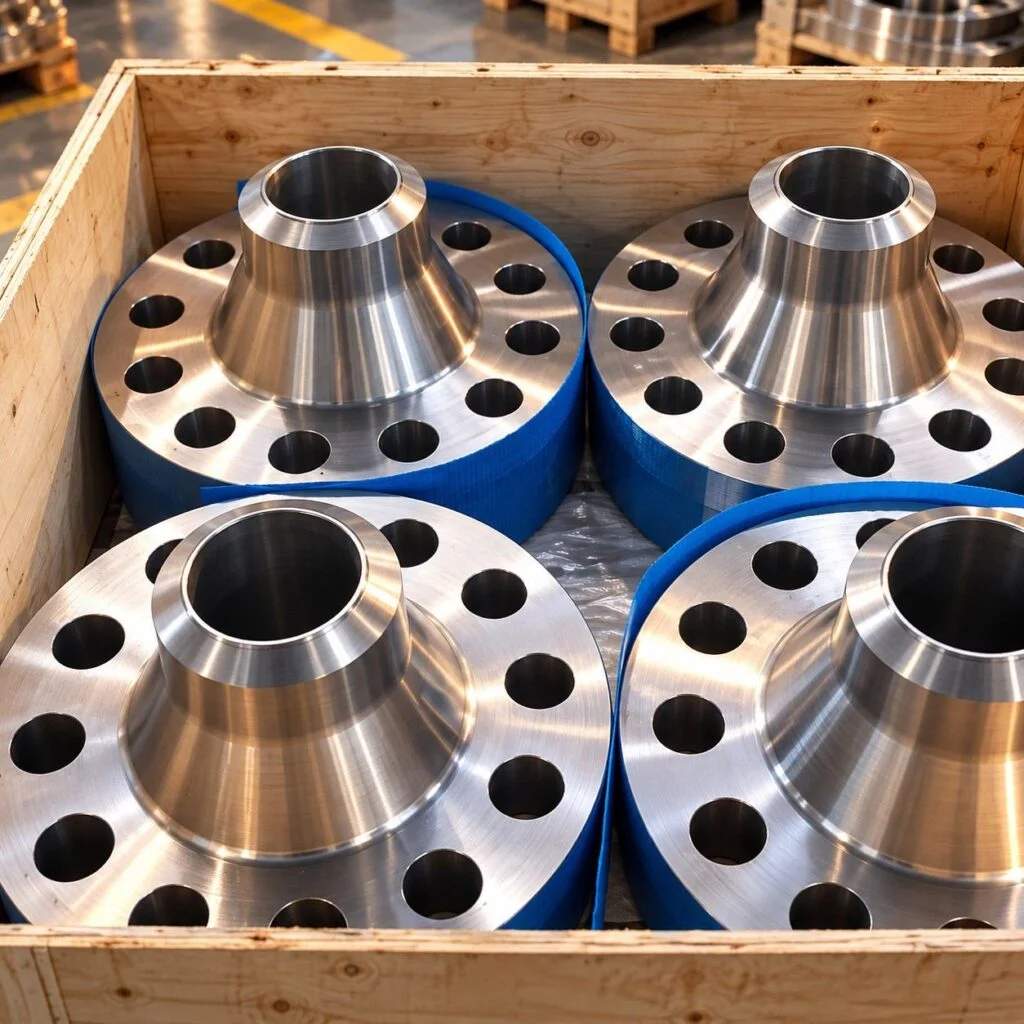
Weld neck, slip-on, blind, socket weld and threaded, faced and drilled in house.
- Specification on request
- Specification on request
Buttweld fittings
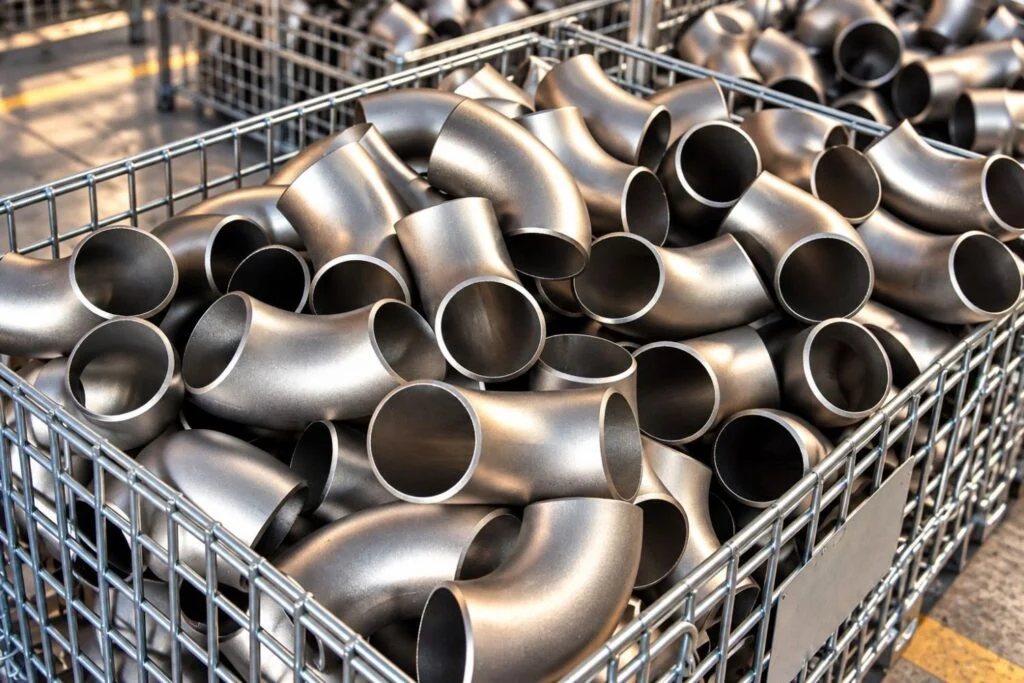
Elbows, tees, reducers, caps and stub ends to ASME B16.9.
- Specification on request
- Specification on request
Forged fittings & couplings
Socket weld and threaded, in classes 2000 to 9000.
- Specification on request
- Specification on request
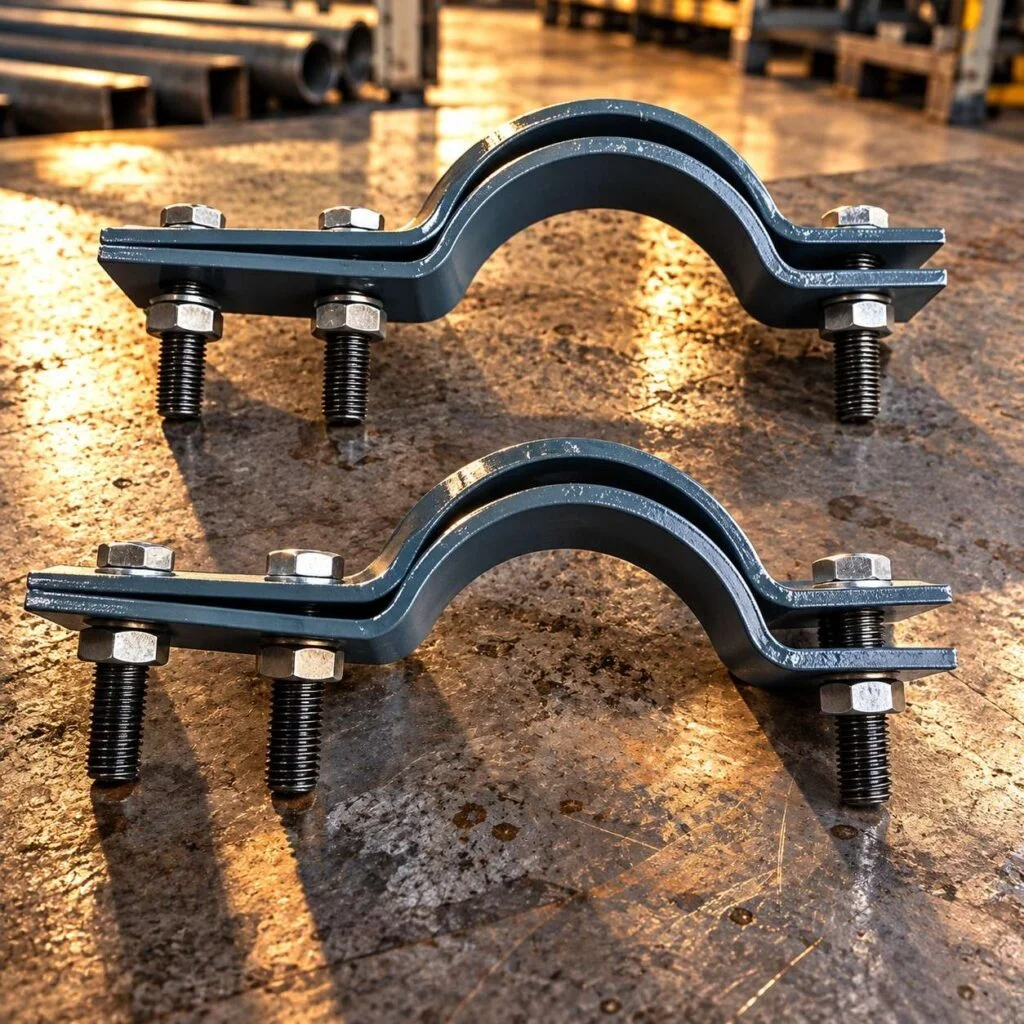
Pipe supports & hangers
Brackets, clamps and hangers to the standard atlas forms.
- Specification on request
- Specification on request
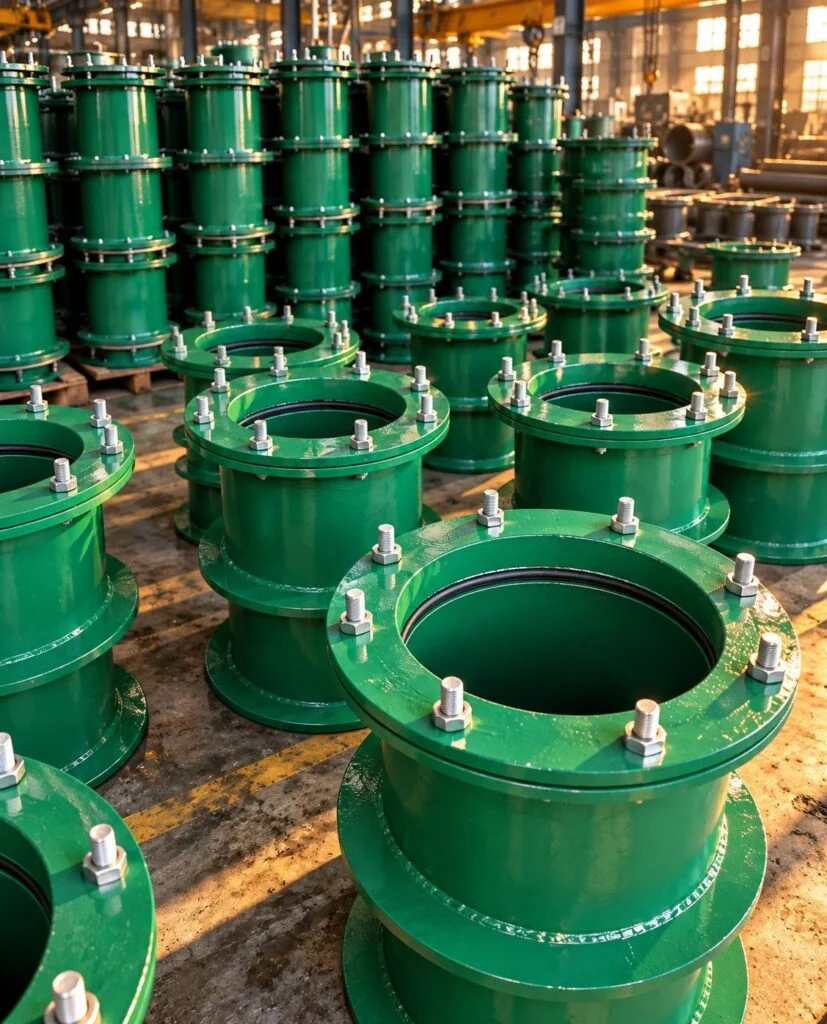
Waterproof casings & sleeves
Rigid and flexible casings for wall and slab penetrations.
- Specification on request
- Specification on request
Keep in touch
Have a question behind the headline?
Send JINYI the item, drawing reference and information you need. For published updates, return to the news and blog archive.