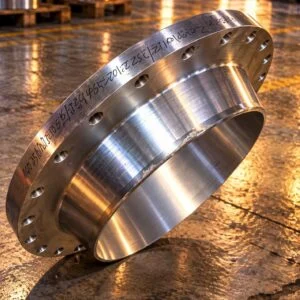



Spectacle Blind technical overview.
Spectacle Blind from JINYI is presented in the NPS 4 · Class 150 configuration. Use the dimension schedule, connection details and inspection requirements below when comparing this product with your pipework or equipment drawing.
On this page
What is a spectacle blind?
A spectacle blind combines a solid line blank and an open spacer ring connected by a bridge. The two positions allow the specified flanged joint to use either a blocking element or an open spacer during planned line configuration changes.

Key dimensions and installation fit
Match the flange outside diameter, bolt circle, hole pattern and facing to the mating component. The nominal pipe designation identifies the connection family; it is not the flange outside diameter. For a replacement, measure the mating face and inspect the existing drilling before comparing the dimensional schedule. For the adjoining connection, review the plate flange and confirm the facing, drilling and joint arrangement shown on the assembly drawing.
How to specify the spectacle blind
The flange, gasket, studs and nuts work as one bolted joint. Choose the material grade and gasket for the fluid and operating temperature, then select the flange designation required by the piping specification. A PN or Class label is a designation within a standard; it is not a universal working pressure independent of temperature and material.
Technical data for the spectacle blind
| Nominal size | 4 in / DN100 |
|---|---|
| Pressure designation | Class 150 |
| Bore diameter | 114 mm |
| Disc outside diameter | 172 mm |
| Disc centre spacing | 190 mm |
| Web width | 64 mm |
| Plate thickness | 9.7 mm |
Sizes and dimensional requirements
The dimensional schedule identifies the illustrated configuration. Compare each value with the mating pipe, equipment or support drawing. A nominal designation does not replace the actual connection diameter, installation envelope or mounting detail. The choices above let you include a different configuration with your quotation request.
Dimensions and tolerance schedule
| Machined length >30–120 mm | ±0.3 mm |
|---|---|
| Machined length >120–400 mm | ±0.5 mm |

Inspection, standards and documentation
Check outside diameter, thickness, bolt-circle position and adjacent-hole spacing with the drawing revision used for the order. Record the condition of the sealing face and protect it during packing. Bore, hub and barrel dimensions also matter on necked flanges because they determine how the flange attaches to the pipe or vessel.
State the required product standard and edition, material records and inspection acceptance criteria before ordering. Where pressure, temperature, movement or load are relevant, provide the operating and test conditions together. Document requirements should identify the actual component and drawing revision; a general certificate does not replace a dimensional or material record for the ordered item. For production steps and inspection considerations, see flanges and fittings manufacturing.
Where the spectacle blind is used
- Process pipework. Select the flange connection for the piping specification, mating equipment and intended operating conditions.
- Equipment connections. Compare the nozzle geometry, bolt drilling, facing and gasket arrangement before finalising the interface.
- Maintenance and isolation. Plan access, joint opening and inspection around the actual closure or flange arrangement.
How to order a spectacle blind
Select the required options and send the quantity, destination, material and controlled drawing to JINYI. Include changed dimensions, mating details, finish, marking and packing requirements. The quotation defines the final configuration, inspection scope and delivery terms so the component can be checked against the intended installation.
Quantity prices and order preparation
| 1–49 pcs | US$5.00 per piece |
|---|---|
| 50–199 pcs | US$4.75 per piece |
| 200 pcs and above | US$4.50 per piece |
Freight and taxes are quoted separately. A different material, size or drawing can change the price and delivery requirements. Confirm the agreed specification before manufacture, and keep the drawing revision, selected options and ordered quantity together in the enquiry.
Other JINYI products worth comparing
Compare blind flange, weld neck flange, or review the industrial pipe flanges catalog for other connection and configuration choices.
Request a custom spectacle blind quotation from JINYI with the drawing and quantity required for your project.
Spectacle Blind selection and quotation checklist
The connected solid and open discs provide different line configurations. Allow space for the changeover and identify the selected disc position in the isolation procedure. Use the photographed product form to identify the arrangement, then use the controlled drawing to define what will be supplied. Similar-looking components can have different end details, load paths or maintenance requirements.
Spectacle Blind dimensions and tolerances
The first comparison for this spectacle blind is disc spacing and isolation layout. Mark the dimensions that control mating, alignment and installation space on the enquiry drawing. Give units for every value and identify the datum from which it is measured. If a dimension is critical, specify its individual tolerance and measurement method rather than relying on a general tolerance note.
The current schedule identifies nominal size: 4 in / DN100; pressure designation: Class 150; bore diameter: 114 mm. Read these entries together with the configuration and tolerance tables above. Reference or example values describe the displayed arrangement; the approved JINYI quotation and drawing define the ordered component. A different interface, material or service condition needs a fresh comparison.
Prepare the material and interface information
For a spectacle blind enquiry, identify the required material designation and supplied condition. Describe the mating components, attachment method and environment. Include the operating temperature and any relevant pressure, movement or structural load. These inputs should describe the actual installation, including changes between normal operation, start-up and maintenance where applicable.
Specify coatings, surface finish and marking separately from the base material. If traceability is needed, identify the record required and how it must correspond to the delivered component. Agree whether inspection covers dimensions, material documentation, welds or functional testing; these are different checks with different acceptance criteria.
Custom spectacle blind quotation
Attach the latest drawing revision, required quantity and delivery destination when contacting JINYI. Highlight departures from the illustrated arrangement, including changed dimensions, connections, finish and packing. For repeat orders, reference the approved configuration and list changes explicitly so an earlier drawing is not assumed to remain current.
The three price tiers above organise the displayed quantity bands. Compare quotes using the same drawing, material, inspection scope and unit of supply. A piece, a segment and a complete assembly are different units where applicable. Confirm freight, taxes, documentation and delivery terms with the final quotation instead of inferring them from the displayed unit price.
Compare related component arrangements
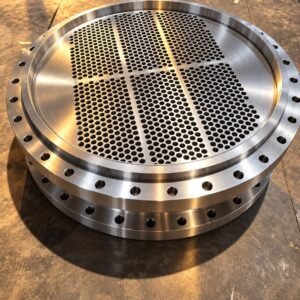
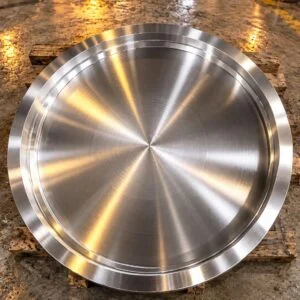
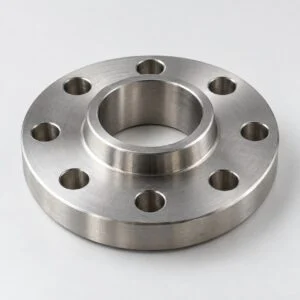
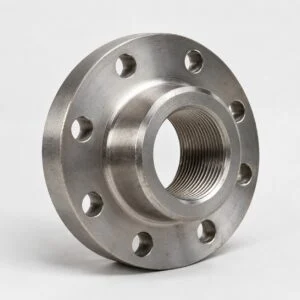
Evaluate this spectacle blind by its actual disc spacing and isolation layout and the required line blind arrangement. The photographs below show separate JINYI products for comparison. They are linked to their own technical pages and are not additional gallery views of this spectacle blind.
| Photo | Related product | Selection detail |
|---|---|---|
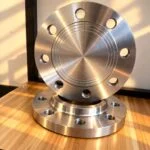 | Blind Flange | Bolt pattern and sealing face. Compare this separate product when the drawing requires its particular arrangement. |
 | Weld Neck Flange | Hub geometry and pipe bore. Compare this separate product when the drawing requires its particular arrangement. |
 | Plate Flange | Bore clearance and bolt drilling. Compare this separate product when the drawing requires its particular arrangement. |
Questions to resolve before ordering
Which dimensions need checking first?
Start with disc spacing and isolation layout and the mating or mounting detail. Check nominal designations against measured dimensions, then review the installation envelope. Photographs help identify the form; the drawing provides the dimensional basis for acceptance.
What should the quotation include?
A spectacle blind quotation should identify the configuration, drawing revision, material, quantity, price basis and agreed inspection records. Keep these details together with the approved order so receiving inspection can compare the delivered product with the specified component.
Independent terminology reference
ASME line blank standard scope provides an independent reference for component terminology. Use the specified standard and edition where required by the project. This link does not establish JINYI certification, product approval or interchangeability with another manufacturer.
- 4 in / DN100
- Nominal size
- Class 150
- Pressure designation
- ±0.3 mm
- Tolerance
- 3
- Quantity tiers
- Two positions — The solid disc isolates; the open ring permits flow.
- Joint spacing — Blank thickness and gasket arrangement affect the available fit-up space.
- Changeover — Provide clearance for the complete blank and spacer assembly.
At a glance
- Product
- Spectacle Blind
- Configuration
- NPS 4 · Class 150
- Nominal size
- 4 in / DN100
- Pressure designation
- Class 150
- Bore diameter
- 114 mm
Dimensions and technical specification
| Parameter | Specification |
|---|---|
| Nominal size | 4 in / DN100 |
| Pressure designation | Class 150 |
| Bore diameter | 114 mm |
| Disc outside diameter | 172 mm |
| Disc centre spacing | 190 mm |
| Web width | 64 mm |
| Plate thickness | 9.7 mm |