
Technical help
Technical help. 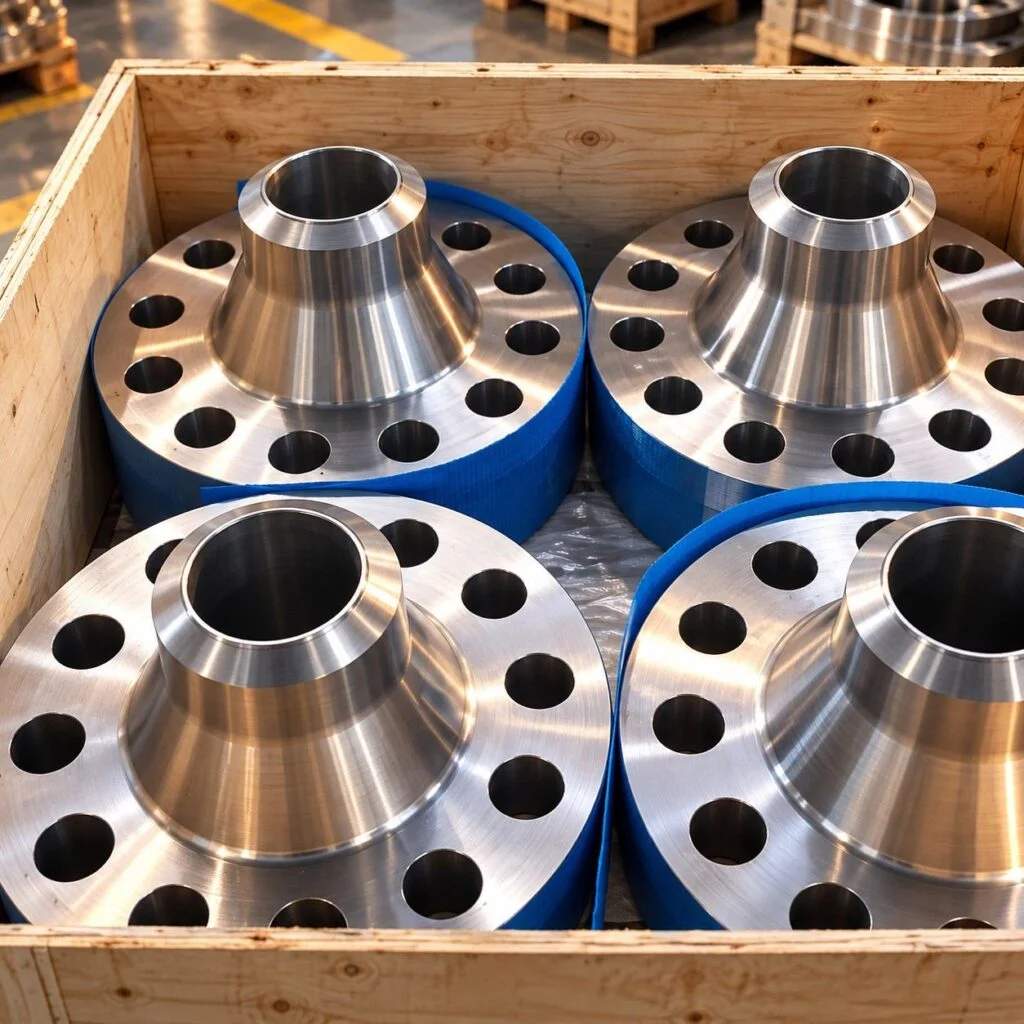 Technical office
 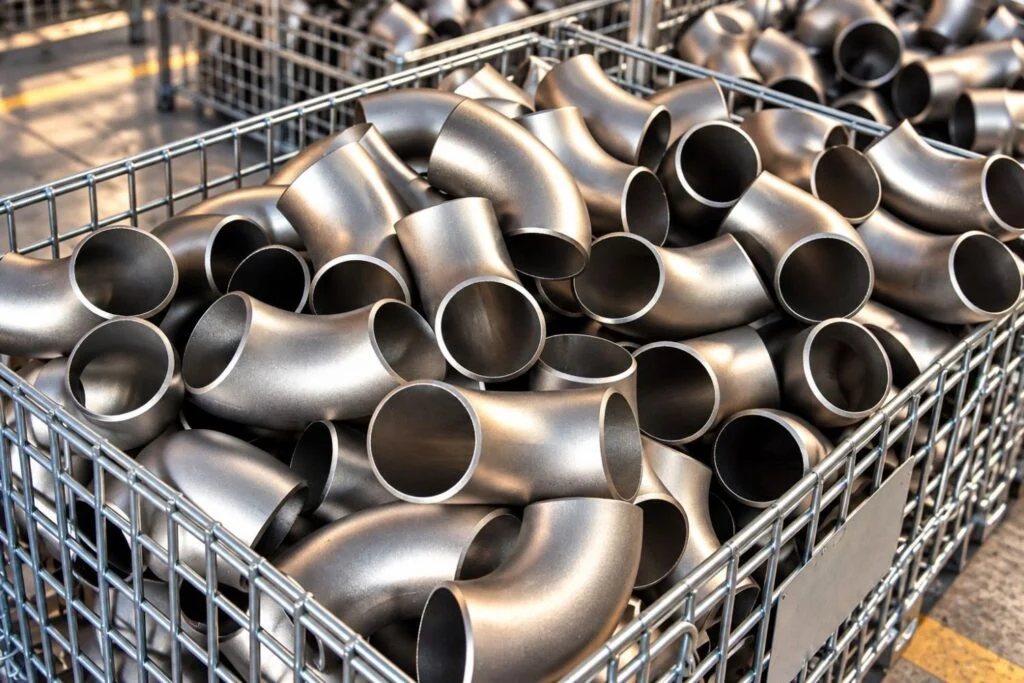 2D / 3Dfile review Clear advice.
 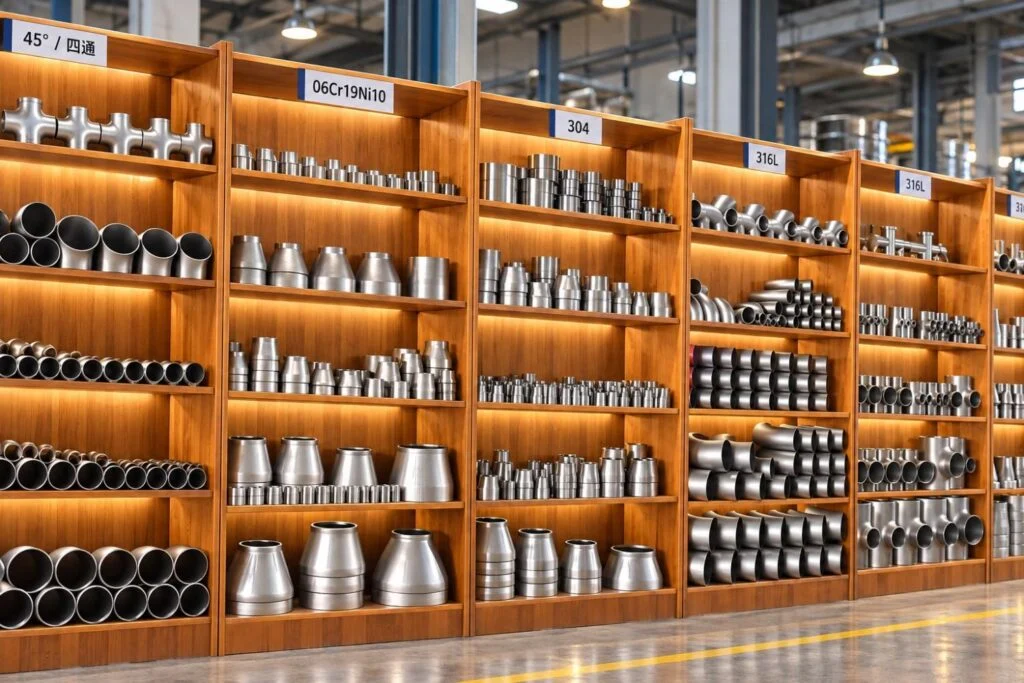 Better decisions.
JINYI technical help for drawing review, material requirements, tolerances and inspection documents. Send your specification for pipe fitting technical support.
Technical support & engineering
Five ways to move your enquiry forward
Share your current drawing and the question you need answered. JINYI reviews the requested scope and confirms the next steps for your item.

Consult
Start with the standard, size, connection, material specification and quantity. Add the mating component details and identify any project requirement that needs clarification. For related supplier information, see Case Studies and News & Blog.
STEP · IGES · DWG · DXF · PDF
Availability, scope and timing confirmed after review
Technical help
By enquiry
Drawing review
- Turnaround
- Confirm requirement
- Formats
- Confirm requirement
- Checked
- Confirm requirement
- Returned
- Confirm requirement
- Revisions
- Confirm requirement
Machinability review
- Bore range
- Confirm requirement
- Pressure class
- Confirm requirement
- Bolt circle
- Confirm requirement
- Facing
- Confirm requirement
- Report
- Confirm requirement
Material selection
- Carbon steel
- Confirm requirement
- Stainless
- Confirm requirement
- Alloy
- Confirm requirement
- Coating
- Confirm requirement
- Sample piece
- Confirm requirement
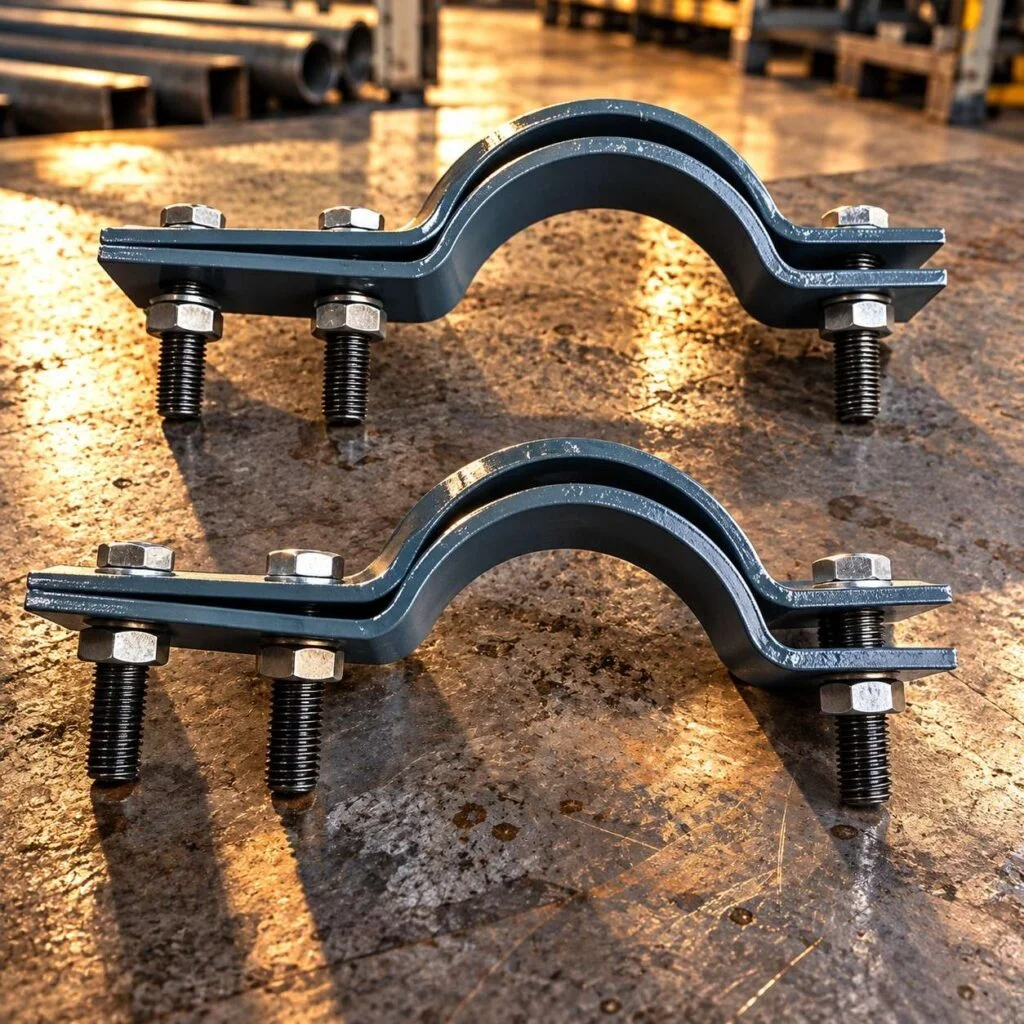 Cut in Yanshan
Tolerance guidance
- Flange face flatness
- Confirm requirement
- Bolt hole
- Confirm requirement
- Face-to-face length
- Confirm requirement
- Wall thickness
- Confirm requirement
- Face perpendicularity
- Confirm requirement
Scope and timing confirmed for each enquiry.
Design & engineering resources
Technical help articles, by subject.
Technical articles are coming soon. Browse the guidance below or send a drawing and specification for an item-specific review.
Articles coming soon. No posts published yet.
Articles coming soon. No posts published yet.
Ask for a guide we have not writtenManufacturing guidance
Pipe fitting engineering guidance, step by step
Five decisions connect your specification with a proposed supply scope. Use these notes to prepare clear questions for technical help and keep approvals under revision control.
- WorksYanshan, Cangzhou
- Shopscount 3
- Bore rangeDN15 – DN2000
- CheckDimensional report
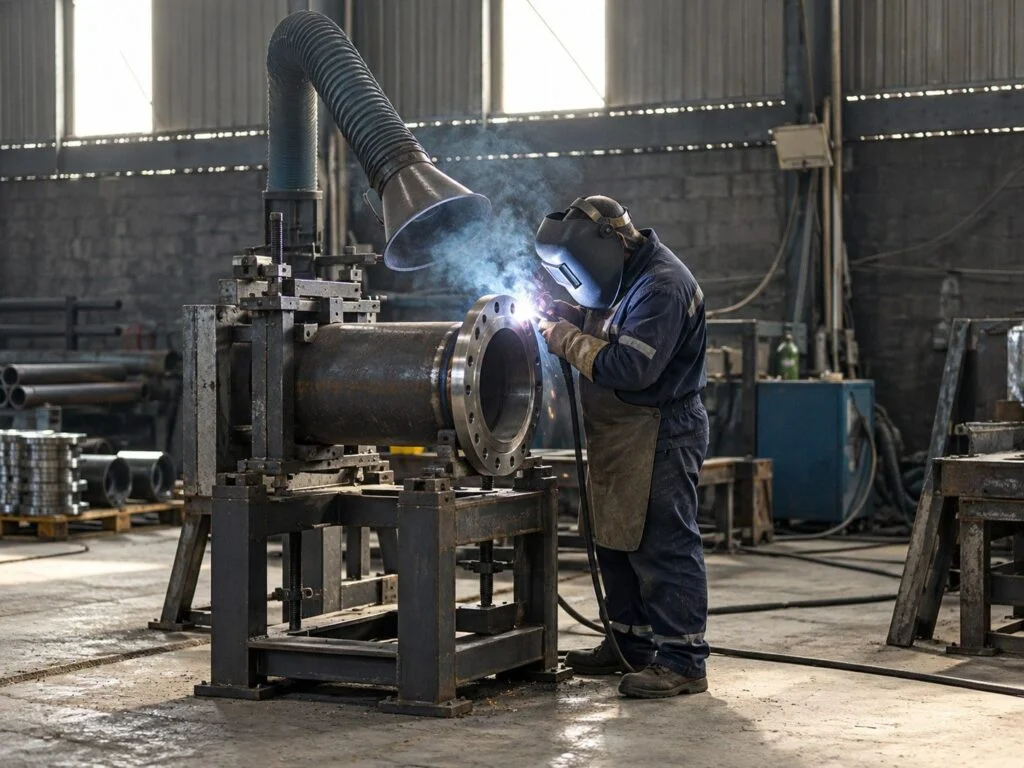
Manufacturing route confirmed after review Manufacturing route confirmed after review
Confirm for your order
ReviewConfirm for your order
Confirm for your order
ReviewConfirm for your order
The five decisions05
Stage 01 · Process
Select a route that matches the specification
Technical help starts with the product requirement. The proposed route must suit the specified product form, material, geometry and acceptance requirements. Forging, forming, machining and fabrication are different operations; their suitability cannot be decided from an image alone. Send the drawing and the applicable specification so the team can identify what needs review before committing to a process.
Describe the mating component and any space limitation as well as the part itself. A feature that is easy to machine may still be unsuitable for the required connection or service. Where a non-standard component is proposed, identify who is responsible for the design basis and approval. Manufacturing feasibility and approval for the intended duty are separate questions. The weld neck flange and grooved pipe coupling pages provide examples of the connection details to identify in a drawing-review enquiry.
Use the drawing review to identify unresolved information: material specification, required edition, dimensions, tolerances, surface condition and documentation. Keep proposed alternatives clearly marked until they are accepted. ASME B16.5 and B16.9 have different scopes, so the reference should match the item being reviewed. The final offer should state the agreed scope and any exceptions rather than rely on a broad statement of compliance. ASME B16.5 scope and ASME B16.9 scope.
- Specify the product form and applicable standard.
- Identify material, size, connection and critical interfaces.
- Mark non-standard features for review.
- Confirm the accepted route in the order documents.
Confirm the agreed requirement in writing
Stage 02 · Tooling
Confirm tooling before approving the programme
Tooling requirements depend on the geometry, starting material, quantity and proposed manufacturing method. A standard designation alone does not establish which tools are available for a particular order. Ask the team to confirm existing tooling, any additional fixture or die requirement, and the approval steps needed before a production run can begin.
For a custom feature, provide a dimensioned drawing and explain its function. The review can then compare a secondary machining operation with another manufacturing approach where appropriate. Cost and timing should be compared for the actual quantity and requirement. There is no universal quantity at which new tooling becomes the best choice, because setup, material use and inspection needs vary.
If a first piece or sample is required, agree the acceptance basis and who will review it. State whether approval applies to dimensions, material evidence, finish or an assembled interface. Clarify whether an approved sample changes any requirement in the drawing; it should not do so by assumption. Keep the sample record, comments and resulting drawing revision together so the production release is unambiguous.
- Confirm availability for the actual item.
- List new tooling or fixture costs separately.
- Agree first-piece inspection and approval.
- Record ownership and repeat-order assumptions.
Confirm the agreed requirement in writing
Stage 03 · Production
Review changes without weakening the requirement
A production review may identify opportunities to simplify a feature, consolidate similar items or improve packing. Any proposal should preserve the function and comply with the approved project requirements. A smaller size, different material or altered pressure designation is a design change, not simply a purchasing adjustment. The appropriate project authority must review it before the order documents are revised.
Group line items by the features that matter to manufacture and inspection, while keeping each item traceable to its drawing and quantity. Clearly distinguish identical components from parts that look similar but have different bores, facings or materials. A consolidated schedule can reduce ambiguity, but it must not remove the information needed to identify and verify each supplied item.
For shipping, provide the destination, delivery terms and any handling limitations. Package dimensions, lifting arrangements and transport limits need confirmation for the actual shipment. Do not assume a standard container has one usable payload for every route or packing arrangement. Compare proposals using a complete landed scope, including documentation, inspection and any agreed accessories, rather than the component price alone.
- Submit proposed changes for approval.
- Consolidate identical items without losing identification.
- State delivery and handling requirements.
- Compare the complete supply scope.
Confirm the agreed requirement in writing
Stage 04 · Quality
Agree inspection and documentation early
Technical help with quality requirements begins with a clear inspection and test plan. Identify the applicable drawing, specification and acceptance criteria, then state which records are required for the order. A material certificate, dimensional report and additional examination report answer different questions. Specify each document by its required purpose and scope rather than asking for a general certificate package.
If witnessing or independent inspection is required, include the proposed hold points and notice requirements at enquiry stage. The team can then review access, sequencing and programme implications. A remote call may assist coordination where agreed, but it does not automatically replace a contractual witness requirement. The method and responsibilities should be confirmed in writing.
Keep product identification connected to the records. The agreed system may use heat, batch, item or other references according to the specification. Ask how those references will appear on the goods, packing list and reports. If a deviation is found, record its disposition and approval before release. This creates a clearer handover than a collection of documents that cannot be linked to the supplied line items.
- State certificates and reports required.
- Define acceptance criteria and inspection scope.
- Agree hold points before scheduling.
- Match records to the supplied items.
Confirm the agreed requirement in writing
Stage 05 · Cost & time
Request a programme for the complete scope
Price and lead time depend on the actual material, size, quantity, manufacturing route, inspection and delivery requirements. Technical help can clarify the information needed for a quotation, but a page-wide lead-time promise would not describe every order. Request a programme that identifies its assumptions and the point at which the manufacturing period begins.
Separate drawing approval, material availability, production, inspection, packing and transport milestones. State the required delivery date and destination, and clarify whether the date refers to readiness for collection or arrival. If staged deliveries are needed, identify the priority items and documents for each batch. Changes after approval can affect several milestones, so keep the revision and programme discussions connected.
When comparing quotations, confirm that they cover the same grade, connection, finish, quantity and documentation. Check whether tooling, testing, inspection visits, packing and transport are included. An alternative can only be evaluated fairly when its differences are explicit. Ask for the proposed scope in writing and keep unanswered questions visible until they have been resolved by the responsible parties.
- Provide quantity, specification and destination.
- Define the required delivery milestone.
- List testing, packing and documents.
- Confirm timing and exceptions in writing.
Confirm the agreed requirement in writing
Project documents
Keep your project documents together
Use Downloads for available checklists and document requests. Ask the team to confirm the files and revisions available for your item.
Request the document family relevant to your item. Available checklists can be downloaded; CAD files, datasheets and order records are confirmed individually.
CAD templates
Specify the product, standard and document revision you need. Availability and format are confirmed after review; use Downloads to submit the request.
Request documents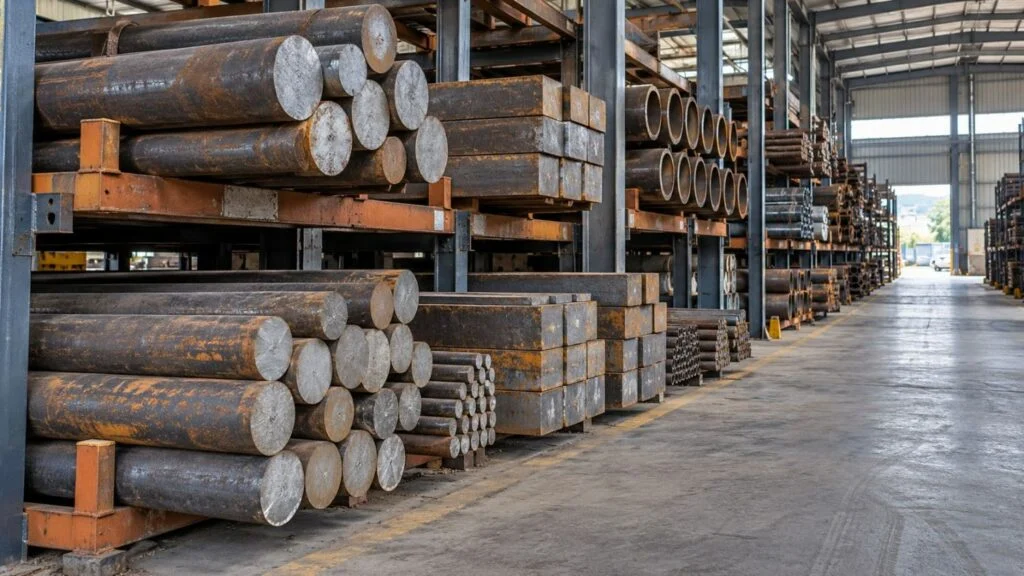
Technical datasheets
Specify the product, standard and document revision you need. Availability and format are confirmed after review; use Downloads to submit the request.
Request documents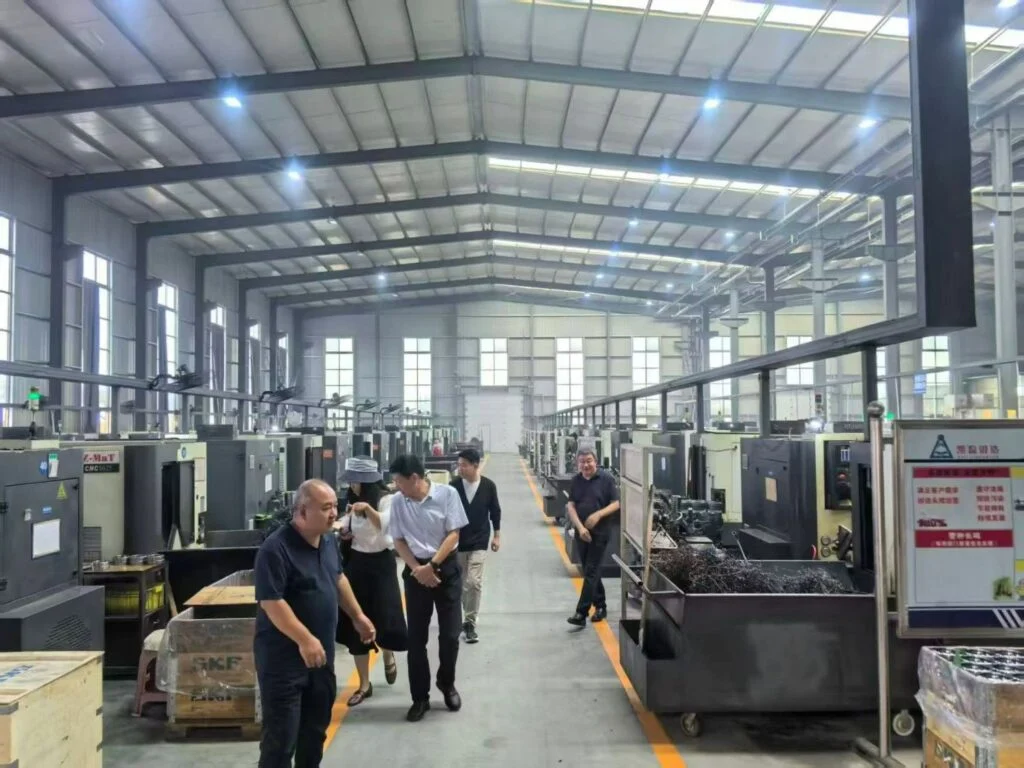
Capability documents
Specify the product, standard and document revision you need. Availability and format are confirmed after review; use Downloads to submit the request.
Request documentsOn request
Certification documents
Certification documents
Specify the product, standard and document revision you need. Availability and format are confirmed after review; use Downloads to submit the request.
Request documentsTechnical FAQ & engineering support
Ask the desk
Practical answers to common technical questions, followed by the enquiry form for your own specification.
What should I send for a drawing review?
Send the current drawing number and revision, a readable dimensioned PDF and the available CAD file. Include units, material specification, connection details, quantity and the question you want reviewed. A photograph or sketch can introduce the issue, but dimensions that control manufacture need confirmation. For technical help with a mating interface, include the relevant details of both components. Identify which file governs if the model and drawing differ, and remove superseded files from the review package.
Can JINYI review a non-standard item?
Send the geometry, service requirements and applicable project specification for review. Non-standard features require a defined design and acceptance basis; they are not automatically covered by the rating or conformity of a standard product. Identify who is responsible for design approval and which dimensions are fixed by existing equipment. The team can review the proposed manufacturing scope and return questions or alternatives. Feasibility, price and timing are confirmed for the actual item rather than assumed from a similar photograph.
How should I describe the material requirement?
Provide the complete material designation and applicable specification, together with the product type and relevant service conditions. A broad label such as stainless steel or carbon steel is not a complete requirement. State any additional testing, heat-treatment or documentation requirements from the project specification. Technical help can identify information needed for review, while the responsible project engineer approves material suitability. Any proposed substitution should be documented and accepted before the purchasing description or drawing is changed.
Reference: ASTM A403/A403M for wrought austenitic stainless steel piping fittings.
Can I request a sample or first piece?
Yes, you can request a sample or first-piece review. Availability, cost, quantity, supporting documents and timing must be confirmed for the particular item. Explain what you need to assess: dimensions, finish, material evidence or an assembled interface. Agree the acceptance criteria before the sample is prepared and say whether production must wait for approval. An illustrative sample is different from a production first piece, so identify which you require. Keep the accepted record with the released drawing.
What tolerances should I specify?
Use the applicable standard and the functional requirements of the assembly. Mark critical dimensions, datums and inspection methods on the drawing, and identify any requirement tighter than the general tolerance. The achievable tolerance depends on the part geometry, material, process and measuring method. JINYI will review the actual requirement; this page does not promise one tolerance for every product. Avoid placing a tight value on every dimension without explaining which interfaces need it, because that can change the production and inspection scope.
What information is needed about the mating component?
Include the connection standard, nominal size, facing, drilling, bore and any relevant installation dimensions. Show the datum and orientation used to measure the interface. Nominal size alone does not prove that two components will fit together. For existing equipment, provide its drawing or verified measurements where available. The project engineer should resolve alignment and assembly requirements through the approved procedure. Technical help can clarify the component information needed for review, but a photograph cannot establish every hidden dimension or acceptance limit.
Will a custom part require new tooling?
That depends on the proposed geometry, material, manufacturing route and quantity. Send the drawing and expected order quantity so the team can review tooling or fixture requirements. Some features may be produced by an additional operation; others may require a different route. Request any tooling cost and approval requirement separately in the quotation. For repeat orders, clarify the assumptions about tool availability, maintenance and design revisions. There is no fixed quantity threshold that applies to every custom flange or fitting.
When does the lead time start?
The quotation or order acknowledgement should state the agreed starting milestone and programme assumptions. Drawing approval, commercial confirmation, material availability and inspection requirements can all affect readiness to proceed. Ask whether the quoted period ends at factory readiness, dispatch or destination arrival. If you need staged deliveries, identify the priority line items and documents. A later design change can affect the programme, so confirm the revised scope and dates together. Transport timing should be reviewed for the actual route and delivery terms.
Which inspection documents can I request?
List the documents required by your project specification at enquiry stage. Depending on the agreed scope, these may include material records, dimensional reports, additional examination records, a packing list or other order documents. Availability and format are confirmed for the actual item. Identify the required certificate type and any third-party involvement precisely. The relevant records should connect to the supplied line items through the agreed identification system. Use Downloads to request available reference documents and Technical Help to clarify an order-specific requirement.
Can my inspector witness the work?
You can request customer or third-party witnessing as part of the enquiry. Provide your inspection and test plan, proposed hold points, notice period and required records. JINYI will review the arrangement and confirm access, timing and responsibilities before it becomes part of the order scope. Any remote review should be agreed by the responsible parties. Add these requirements before production is scheduled so inspection does not depend on an unplanned visit. Keep the accepted plan and subsequent changes under revision control.
No question on that topic yet , the form below reaches the same engineers.
Reply time
By enquiry
Scope and timing confirmed after review
What to send
Four things get a real answer
Less, and the first reply is a question.
Send a drawing, or book the call
Send your requirement to JINYI. Files are sent as email attachments; include only material you are authorised to share.