

This flange corrosion protection case study examines a recorded inspection after 21 years of service. Its value is not a universal design-life promise. It is a reminder to define what is protected, how the protected area can be inspected, and what evidence will support a later maintenance decision.
For a purchasing team, the best question is therefore more precise than “How many years will this last?” Ask which environment, surface preparation, application system and inspection method underpin the answer. For flange corrosion protection, keep those items connected to the asset identifier from the beginning.
Evidence note: This case analyses a public Denso report about an oil-intake pipeline in Japan.
It is not a JINYI-supplied project.
The observed condition is manufacturer-reported; the proposed specification and inspection framework is JINYI’s editorial analysis.
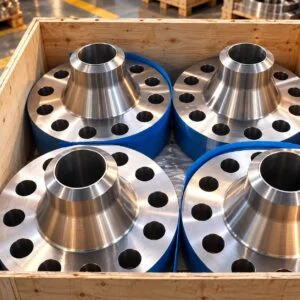
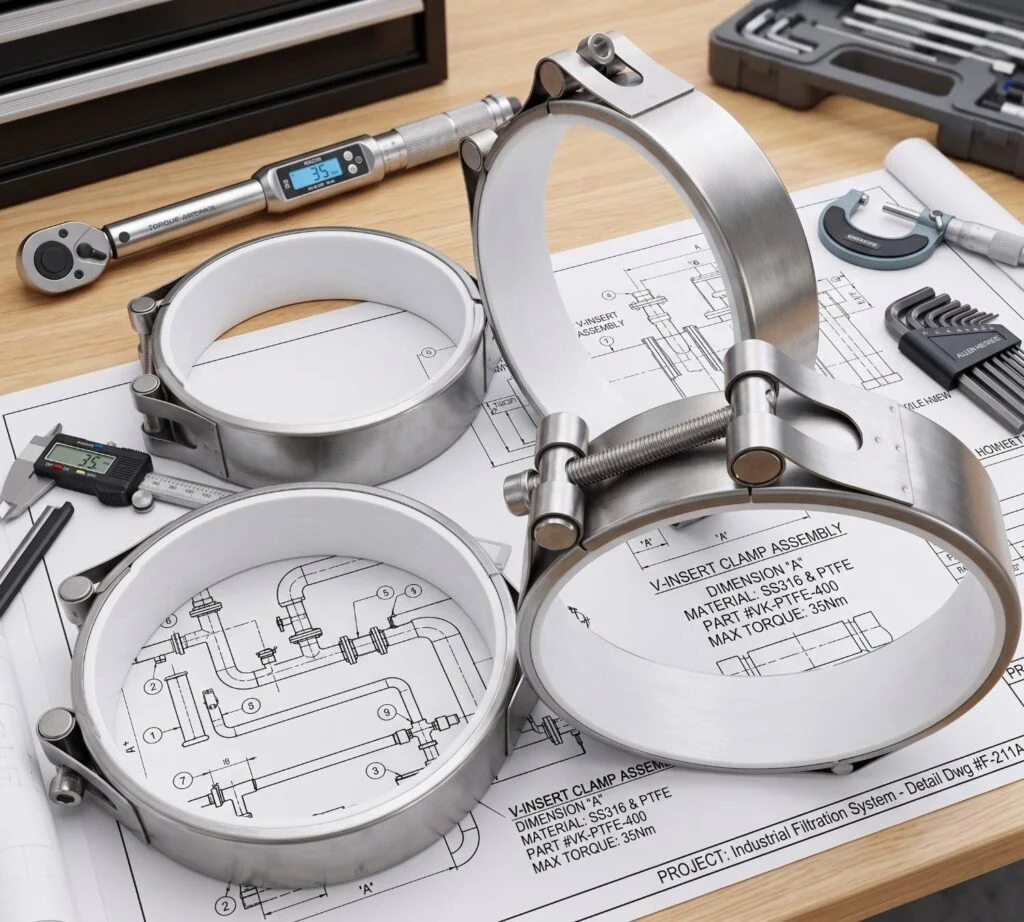
The featured image is a representative flange illustration, not a photograph of the inspected asset.
Problem: flange corrosion protection
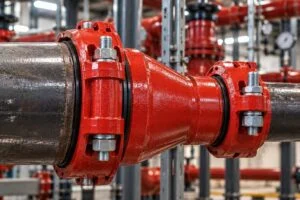
Denso reports that a Japanese oil-intake pipeline received Densyl KF tape and profiling mastic in 1985. In March 2006, part of the protection was removed to inspect the pipe, flange, nuts and bolts. The published account says these exposed components were in excellent condition; the removed protection was then reinstated. [1]
The account supplies an elapsed service period and a reported condition at the opened section. It does not publish wall-thickness readings, a corrosion-rate calculation, soil measurements or inspection coverage for the whole pipeline. Those omissions define what the reader can and cannot conclude.
Our recommendation is to start a future corrosion-protection enquiry with an environment and access description. Identify whether a flange is buried, submerged, exposed or insulated, and whether inspection requires excavation or removable protection. Provide the coating boundary on the drawing.
Ask the project corrosion specialist to select the system and state the applicable acceptance requirements.
Approach: define evidence and acceptance
For a new flange corrosion protection package, create a location record before selecting a covering system. Identify the line, joint, exposure, access restrictions and inspection objective. Our proposed approach makes those questions visible without claiming that the Japanese project used this exact purchasing process.
For flange corrosion protection, separate external corrosion protection from pressure-boundary assembly. The covering specification addresses an external environment and application method. The flange joint still needs its approved materials, gasket, bolting and assembly requirements. Flange corrosion protection does not supply evidence that those separate requirements were fulfilled.
Ask the protection-system supplier to review the actual service and substrate condition. Record the product names, preparation instructions and application limits it accepts for the proposed use. Do not substitute a general brochure statement for an order-specific review of the location and joint geometry.
Prepare a drawing or annotated photograph showing the accepted coverage boundary. For flange corrosion protection, include irregular features around fasteners and the transition to adjacent pipe protection. For flange corrosion protection, an installation team needs to know where the specified system starts and ends, not simply which tape appears on the purchase order.
Coordinate the application sequence with joint inspection. Ask which records must be accepted before the covering makes surfaces inaccessible. If the project requires a witness point, assign responsibility and agree how it is released. The protection installer should not have to guess whether a joint is ready to cover.
A hypothetical conflict helps explain the sequence. Suppose an installer receives a request to wrap a joint while its assembly inspection remains open. The correct information response is to resolve the release status with the authorised team. This is an illustrative control question, not a reported incident in the Denso case.
Plan a trial application when the geometry or access is unfamiliar. For flange corrosion protection, define who evaluates the finished covering and which supplier instructions govern the check. Our flange corrosion protection recommendation aims to identify application questions before repeated work. It does not prescribe an inspection method or acceptance threshold.
Record product identity and the available batch information. Link the flange corrosion protection application record to the joint identifier and date. Note accepted deviations and the person who approved them. A future maintenance team benefits from knowing the actual system applied, rather than finding an undated photograph of an apparently similar wrap.
Keep photographs purposeful. An overall view identifies the location; a close view can document an accessible detail before covering. Agree the views required by the inspection plan. Flange corrosion protection photographs support a record, but an image alone does not establish adhesion, coverage thickness or a hidden surface condition.
For flange corrosion protection, define what happens if the covering is opened for inspection or maintenance. Ask which replacement materials and preparation instructions are required and who authorises reinstatement. The original case reports reinstatement after inspection.
For a new project, that action should appear in the work scope rather than remain an assumed final step. Make access costs visible when comparing options. A lower material price may be offset by an application or inspection arrangement that needs additional access work.
Ask bidders to identify included preparation, installation, inspection support and reinstatement. Our flange corrosion protection comparison keeps those boundaries separate from unverified life claims. Maintenance planning should identify the question an inspection is intended to answer. The condition of an opened local section differs from the condition of an entire buried pipeline.
For flange corrosion protection, record the accessible area and the limitations. Avoid translating a favourable local observation into a statement that every hidden location was examined. Use the adopted assembly guidance for pressure-boundary joint work and the selected protection supplier’s instructions for covering work. ASME PCC-1 addresses bolted-joint assembly.
Denso’s separate application account illustrates a protection sequence. These sources answer different questions and should remain distinct in the approval file. At handover, retain the application record, accepted inspection observations and reinstatement instructions together. Assign the custodian responsible for preserving them.
Flange corrosion protection decisions become more useful over time when the next inspector can compare a known initial condition with a documented follow-up observation.
Solution: connect specifications to delivery
The documented installation combined tape with profiling mastic. [1] Denso’s separate Korean flange project describes surface preparation, primer, mastic, tape and an outer wrap as a defined sequence. [2] These are named protection systems; neither report supports replacing their materials with an unspecified wrap or applying them without the relevant instructions.


Define what the coating must cover
For a new order, we suggest marking the required protection boundary on the approved drawing. Identify exposed steel, bolt areas, transitions to existing coatings and any surfaces that must remain free of the coating system. Resolve the boundary with the engineer and coating supplier before manufacture or assembly.
JINYI’s flange catalogue identifies connection families, but a flange order also needs a project-specific surface and protection requirement. For example, do not use the words “painted flange” as a substitute for a coating specification. For flange corrosion protection, request the intended system, preparation requirement, inspection method and any restrictions on sealing or assembly surfaces.
Keep assembly requirements visible
ASME PCC-1 addresses pressure-boundary bolted flange joint assembly within its stated scope. [3] Its purpose is distinct from proving long-term external corrosion resistance. Our proposed control is to review both documents together so a corrosion-protection instruction does not obscure a joint-assembly inspection point. Ask who approves the assembled joint before it is covered.
Identify which records must remain visible or retrievable after wrapping. If protection is removed for maintenance, specify how the reinstated system is documented. This gives a future inspector a defined starting point instead of an unidentified covering with an uncertain history.
Create an application record worth keeping
The recommended record should include the asset or joint identifier, applicable drawing, coating system, material batch identification, application date, accepted surface-preparation evidence and inspection sign-off. Add photographs before coverage and after completion. State any approved deviation explicitly. Do not fill the record with measurements that the actual specification does not require.
Instead, ask the project specialist which acceptance evidence demonstrates the selected system was applied correctly. The useful record is concise enough to retrieve, but specific enough to distinguish one application from another.
Results: documented numbers and evidence limits
| Item | Published evidence | What remains unknown |
|---|---|---|
| Original protection | Applied in 1985 | Full original application record |
| Inspection | March 2006 | Complete pipeline inspection coverage |
| Elapsed period | 21 years | Performance beyond the reported observation |
| Opened components | Reported in excellent condition | Quantified metal loss and corrosion rate |
| After inspection | Protection reinstated | Subsequent inspection results |
The table summarises Denso’s report. [1] A defensible reading is that the opened area was reported to have retained good condition over the documented interval. It does not establish a zero corrosion rate, an unconditional service life or an identical result in another environment. That distinction is valuable for procurement.
A historical reference can help identify questions to ask, but the next purchase order must still describe the next site. For flange corrosion protection, ask for relevant operating limits and application instructions rather than turn the historical interval into a blanket warranty.
Takeaways: five decisions for your next project
A maintenance plan that tests the right question
| Planning step | Suggested evidence | Decision supported |
|---|---|---|
| Establish baseline | Initial condition photographs and accepted inspection records | Later comparisons refer to the same locations |
| Define accessible locations | Joint register and protection boundaries | Inspection access can be planned |
| Set inspection method | Corrosion specialist’s approved procedure | Observations have a consistent meaning |
| Record uncovered condition | Location, measurements where specified, photographs | Repairs address the observed asset |
| Reinstate protection | Approved system and completed application record | Inspection does not leave an undocumented condition |
| Review trends | Comparable results over time | Maintenance decisions are based on change |
We propose this as an information framework, not a prescribed inspection interval. The right interval and technique depend on the site’s asset-integrity programme and engineering assessment. A buried connection, an exposed flange and a hot insulated line should not receive an identical programme simply because all contain steel.
Learn from absence as well as presence of data
When evaluating a supplier case history, mark unpublished quantities as unknown. Do not infer inspected area, operating pressure or remaining life from a photograph. Write a short evidence request for the quantities that matter to your decision. This approach makes the reference useful without overstating it.
For recurring orders, we suggest assigning responsibility for protection early: who supplies the component finish, who applies field protection, who checks interfaces and who owns reinstatement after maintenance? A gap between those responsibilities can leave the buyer with several compliant-looking documents and no accepted complete system.
The flange corrosion protection case supports a specific historical observation: an inspected section remained in good reported condition after the stated interval. It does not publish a warranty, a corrosion-rate measurement or a sample large enough to calculate a universal failure probability. Keep those boundaries visible in presentations.
For a future job, establish a dated starting record and a defined follow-up question. Identify accessible inspection locations and the reasons for choosing them. Ask the responsible engineering team how those observations will inform maintenance decisions without overstating what the inspected area represents.
A flange corrosion protection budget should distinguish materials, preparation, access, inspection and reinstatement. For flange corrosion protection, record which costs are quoted and which are assumptions. An apparent life-cycle advantage is more credible when its uncertain inputs remain visible than when every option is assigned an invented service life.
Treat removal and replacement of protection as a controlled maintenance activity. Retain the reason for opening, the observations and the accepted reinstatement method. This allows a later reviewer to understand whether the covering was disturbed intentionally and what was done afterwards.
For flange corrosion protection enquiries, send the joint drawing, exposure description, access constraints and approved inspection boundary together. That information lets suppliers discuss a defined application. The useful outcome is a clear specification and accountable handover, rather than a promise of matching another project’s inspection interval.
For flange corrosion protection, prepare a maintenance handover that identifies the installed system and the instructions required when the covering is disturbed. Retain the accepted preparation record alongside the application photographs. The finished appearance alone cannot reconstruct which substrate conditions were accepted before wrapping.
Identify adjacent protection systems on the location drawing. Ask the responsible supplier and engineer to review the actual transition rather than assume compatibility. For flange corrosion protection, state who approves reinstatement after an inspection. Include the required records in the maintenance work order.
Separate an observed condition from the interpretation attached to it. A satisfactory local inspection can support a maintenance decision without proving the entire pipeline’s condition. Ask which stored materials remain suitable for a later repair under the supplier’s instructions. Procurement should not infer suitability simply because packaging remains unopened.
For flange corrosion protection, retain the reason for every deliberate opening. That history helps distinguish an inspection intervention from an unexplained covering defect. Record the actual inspected boundary with the dated observations. Keep assembly acceptance and covering acceptance as separate records. Retain reinstatement instructions with the identified protection system record.
Agree which photographs are required before concealed surfaces disappear. Identify accepted deviations without changing the original application requirement. Ask who releases the joint before protection is applied.
FAQ: practical questions and answers
Is the reported inspection a 21-year warranty?
No. It is a historical observation in the manufacturer’s case report. A warranty needs its own agreed scope, conditions and terms.
Does a protective wrap prove a flange joint is leak-tight?
No such conclusion is established by this case. External protection and joint integrity require their respective accepted inspection and testing evidence.
What belongs in a corrosion-protection enquiry?
Provide the service environment, component drawing, protection boundary, assembly sequence, selected system or required performance criteria, inspection access and required documentation. Have the relevant specialist approve the final requirements.
What should flange corrosion protection photographs establish?
Use them to identify location and document accessible details required by the inspection plan. They do not establish hidden conditions.
How should flange corrosion protection be reinstated after inspection?
Follow the accepted system instructions and record the materials, method and release. Agree reinstatement responsibility before opening the covering.
To prepare a component order, explore JINYI and its flange and fitting manufacturing scope. Share your drawing, surface requirements and inspection plan for a specification review before quotation.