
Case studies
Case studies.  Yanshan, CN
  5published From drawing
 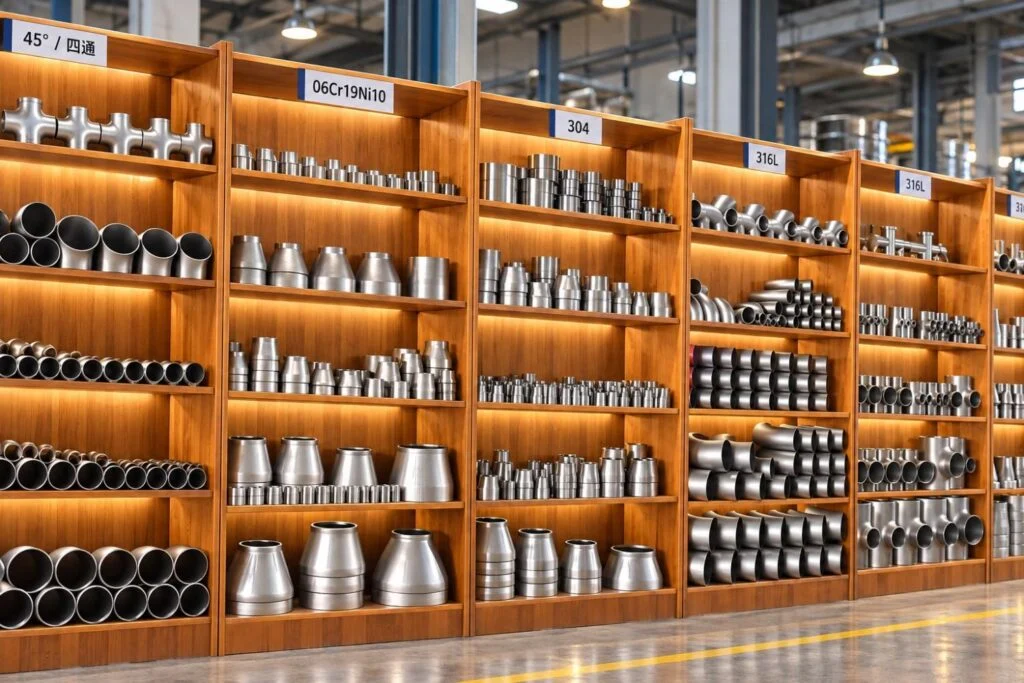 to delivery.
JINYI analyses of documented industry projects. Read source-backed problems, solutions and results, with practical lessons for your next specification.
Featured case study
Featured case study
Read the latest industry case analysis. The reference fields below remain reserved for verified JINYI customer-project records; they are not measurements from the linked third-party case.
Steam System Energy Savings: 5 Critical Case Lessons
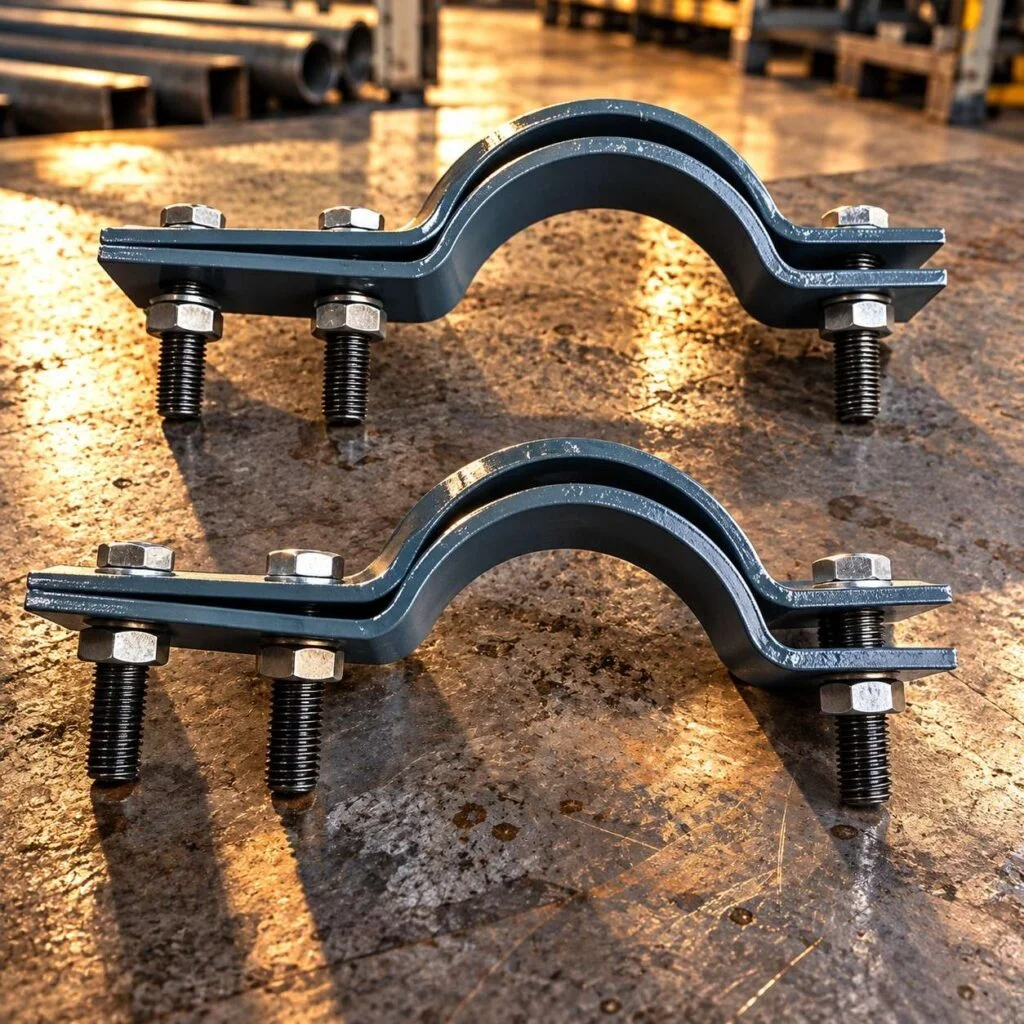
Read the linked case for its original project source and evidence limits. This image is illustrative and does not show that installation.
Industry case analysis: original supplier or DOE report cited in the article.
Line size supplied
Coming soon
Customer industry
- Sector
- Coming soon
- Site
- Coming soon
- Country
- Coming soon
- Duty
- Coming soon
- Window
- Coming soon
 Project location pending
 Product / project
- Material
- Coming soon
- Standard
- Coming soon
- Class
- Coming soon
- Facing
- Coming soon
- Shipped
- Coming soon
Key challenge
- Window
- Coming soon
- Access
- Coming soon
- Production
- Coming soon
- Existing parts
- Coming soon
- Answer
- Coming soon
Final result
- Dimensional check
- Coming soon
- Downtime
- Coming soon
- Joint failures
- Coming soon
- Handover
- Coming soon
- Warranty
- Coming soon
Published cases are attributed industry analyses, not claims of JINYI customer deliveries. Reserved reporting fields above contain no verified customer-project measurements.
Project archive
JINYI case studies, by application.
Browse published industry case analyses by application. Each article identifies its source, reported scope, measurable evidence and practical lessons.
 Industrial
 Steam System Energy Savings: 5 Critical Case Lessons
Explore steam system energy savings in DOE’s Dow case, reported results and practical checks for baseline quality, repair evidence and benefit verification.
Read article Industrial
 Desalination Case Study: 5 Critical Material Lessons
Read a desalination case study on documented stainless-steel supply, material zoning and practical procurement checks for traceability and design approval.
Read article Industrial
 Flange Corrosion Protection: 5 Essential Case Lessons
Review flange corrosion protection through a 21-year inspection case, evidence limits and practical checks for specification, application and maintenance.
Read article Construction & mining
 Pipe Joint Integrity: 5 Critical Water-Pipeline Lessons
Review pipe joint integrity in an 8 km water-line case, reported installation results and practical checks for compatibility, inspection and clear handover.
Read article Industrial
 Piping Prefabrication: 5 Critical Pump-Station Lessons
Explore piping prefabrication through a documented pump-station case, reported results and five practical lessons on drawings, inspection and site handover.
Read articleShowing 1–5 of 5 published articles
Case study detail
How to read our case studies: seven stages
A practical framework for evaluating pipe fitting project reports. These stages explain the information to look for; they are not claims about an unpublished customer order.
- File Project record pending
- Sector Project record pending
- Site Project record pending
- Scope Project record pending
- Live Project record pending

Project review
Defined in the published project
TBCDefined in the published project
Defined in the published project
TBCDefined in the published project
Project file07 stages
Stage 01 · Customer requirement
Define the requirement before the result
JINYI case studies will begin with the application and the requirement that the supplied components had to meet. This gives readers enough context to judge whether a project is relevant to their own work. The record should identify the product family, the specified standard, the material requirement and the important interfaces. Customer names and locations are included only when publication is authorised; confidential details can be omitted without inventing replacements. For related supplier information, see Company Profile.
A useful project brief distinguishes the operating requirement from the purchasing description. It may describe the medium, design conditions, installation environment and the equipment being connected, while the line-item schedule identifies sizes, connections and quantities. Where a requirement is outside the supplier's scope, the record should say so. This prevents a case study from implying that one component supplier designed or approved the complete piping system.
For readers comparing pipe fitting project reports, the most useful question is whether the starting conditions are comparable. A result from one application is not automatically transferable to another. Check the duty, material, connection arrangement and acceptance basis before drawing conclusions. Use a published case study to identify the questions worth asking, then have the actual project requirements reviewed through the normal engineering and purchasing process.
- Define the application and the responsible project parties.
- Identify the current drawing, specification and required edition.
- Record mating dimensions, space limitations and access requirements.
- Separate the supplied scope from work completed by others.
Stage 02 · Project challenge
Explain the constraint that shaped the decision
The challenge section of a case study should describe the real constraint, not simply say that the project was difficult. A constraint might involve an existing mating component, restricted access, a required inspection sequence or several delivery milestones. State what was known at the start and which information still required confirmation. The explanation is stronger when it identifies how the constraint affected the available choices.
Project reporting should also distinguish a technical limitation from a commercial preference. A required interface dimension may be fixed by installed equipment, while a packaging arrangement may be open to discussion. A proposed material substitution needs engineering approval; it cannot be justified by availability alone. Case studies are useful when they make those boundaries visible and show how the team kept open questions from becoming unrecorded assumptions.
When reviewing flange application case studies for a similar job, compare the actual interfaces and responsibilities rather than only the industry label. Two projects described as water service can have different design conditions, materials and installation requirements. Ask which constraint controlled the decision and what evidence confirmed it. A clear answer helps a reader understand the reasoning without treating a previous order as a ready-made specification for a new one. Use the weld neck flange and spectacle blind product pages to review component-specific interfaces before comparing projects.
- List the fixed requirements separately from preferences.
- Identify missing information and who can confirm it.
- Explain why an alternative was accepted or rejected.
- Record the agreed response to each important constraint.
Stage 03 · Engineering approach
Record the engineering decision and its basis
The engineering section should connect the chosen configuration to the agreed requirement. It should identify the drawing revision used for approval and explain the features that mattered to the assembly. A statement such as custom made is less useful than a description of the controlled interface, the permitted variation and the information used to review it. The published explanation must remain within the evidence available for the actual order.
Use the applicable standards for their defined purposes. ASME B16.5 covers pipe flanges and flanged fittings within its scope, while ASME B16.9 addresses factory-made wrought buttwelding fittings. These references do not eliminate the need to confirm the project specification, material and design conditions. Where a component departs from a standard configuration, the responsible parties need an explicit basis for design and acceptance rather than an assumption of equivalence.
Case studies should make approval boundaries clear. A supplier's manufacturing review can identify a feature that needs clarification, but changes to the project design require the appropriate approval. The record should explain what was proposed, what the customer accepted and which documents changed. Keeping the decision trail visible is more useful to future readers than presenting the final drawing without the reasoning that led to it. ASME B16.5 scope; ASME B16.9 scope.
- Confirm standard, material, size and connection details together.
- Identify the dimensions that control the mating interface.
- Record deviations and their authorised disposition.
- Keep the accepted proposal with the released drawing.
Stage 04 · Manufacturing process
Describe the actual manufacturing route
A manufacturing account should describe the route used for the supplied item and avoid presenting every process as universal. Different product forms can require different starting materials, forming operations, machining steps and finishing work. The case study should name only the processes supported by the order record. If an operation was completed by a qualified outside party, the description should reflect that arrangement instead of implying that all work occurred in one workshop.
The useful detail is how the route supported the required geometry and inspection plan. For example, a record can explain where a critical dimension was established, when an identification mark was applied and which step required review before continuing. Production photographs can illustrate the sequence, but they should be linked to the project only when that connection is verified. General media-library images remain illustrative background.
For a new enquiry, use the manufacturing section to prepare focused questions about feasibility, tooling and the required records. Do not assume that the method or programme used on an earlier order is available for every size or quantity. Ask for the proposed route and any first-piece approval requirement with the quotation. This turns the case study into practical preparation while leaving the final scope tied to the new order.
- Identify the actual starting product and manufacturing operations.
- Link critical features to the inspection stages that verify them.
- Distinguish illustrative photographs from project-specific records.
- State any first-piece review or agreed hold point.
Stage 05 · Quality requirements
Connect inspection results to acceptance criteria
A quality section should show how conformity was assessed against the agreed requirement. Identify the inspection plan, relevant drawing revision and records issued for the order. The important relationship is between the characteristic being checked, the acceptance criterion and the recorded result. A broad claim of perfect quality is less useful than a traceable account of what was inspected and how an identified issue was resolved.
Material records, dimensional reports and additional examination reports have different functions. A material document should be connected to the supplied item through the agreed identification system. A dimensional report should refer to the correct features and limits. Any test described in a case study needs its method, scope and acceptance basis stated at an appropriate level. A photograph of an instrument does not establish a measurement result on its own.
Where a customer or third party witnessed work, the published account should describe the agreed witness point without implying broader certification. Include the disposition of relevant findings when disclosure is permitted. Readers of piping project documentation can then see how the evidence supported release. For their own orders, they should specify required certificates, reports and review stages before production rather than trying to reconstruct them after dispatch.
- Identify the applicable inspection and test plan.
- Match material identification to the required documentation.
- Record results against the approved acceptance criteria.
- Explain the release decision and any agreed corrective action.
Stage 06 · Final solution
Separate dispatch, receipt and installation
Delivery and installation are separate stages in a project record. Factory readiness, dispatch, arrival and installation completion should not be presented as the same date. A case study can explain how the supplied items were identified and packed, which documents accompanied them and how the delivery sequence matched the agreed order scope. Any claim about site installation should come from confirmed site information.
Packaging requirements depend on the component and the transport arrangement. The project record should describe the protection and identification actually agreed, rather than promise that one packing method is suitable for every shipment. A clear packing list connects packages with line items and quantities. Drawings and certificates should retain their revision references so that the receiving team can reconcile the physical goods with the document package.
When considering similar pipework, ask who is responsible for unloading, storage, inspection on receipt and installation. Site work must follow the approved procedure and project requirements. Do not infer bolt loads, welding instructions or lifting arrangements from a case-study photograph. The value of the story lies in the coordination lessons and documented handover, while the detailed method remains specific to the installation being carried out.
- Report each delivery milestone using its correct meaning.
- Connect package identification with the order line items.
- Record documents and accessories included in the agreed scope.
- Attribute installation information to the confirmed site record.
Stage 07 · Measurable results
Report outcomes that can be compared
The outcome section is where evidence matters most. A useful result states what was measured, the baseline used for comparison and the period covered. If a project reports reduced lead time, define the start and finish milestones. If it reports fewer assembly adjustments, explain how they were counted. Case studies should avoid percentages without a denominator and avoid turning a single observation into a general performance guarantee.
Not every project produces a dramatic numerical improvement. A clear record of meeting an agreed interface, completing the required documentation or resolving a specific coordination issue can still be valuable. Where a result has not been measured, say so. A customer quotation should be genuine, approved for publication and presented in context. The page must not imply independent verification or certification that the supporting records do not establish.
Use published case studies as a starting point for discussion. Identify the aspect relevant to your project, then send the actual duty, drawing and required documentation to JINYI. A previous result can explain an approach, but it does not define the performance of a different component or installation. The next useful step is a documented review of your own requirements and a clear statement of the scope offered. For company announcements and editorial updates, see our News & Blog page.
- State the measure, baseline and reporting period.
- Separate recorded outcomes from anticipated benefits.
- Publish customer comments only with appropriate permission.
- Explain the limits of applying the result to another project.
Same duty, different site
Send the standard, the bore and the class you have.
Send the project requirement, current drawing revision and delivery destination for review.
Capabilities demonstrated
Flange face
Face flatness and finish
Acceptance criteria defined by the approved specificationBore & wall
Bore and wall requirements
Acceptance criteria defined by the approved specificationAssembled joint
Bolt holes and face-to-face
Acceptance criteria defined by the approved specification& test methods
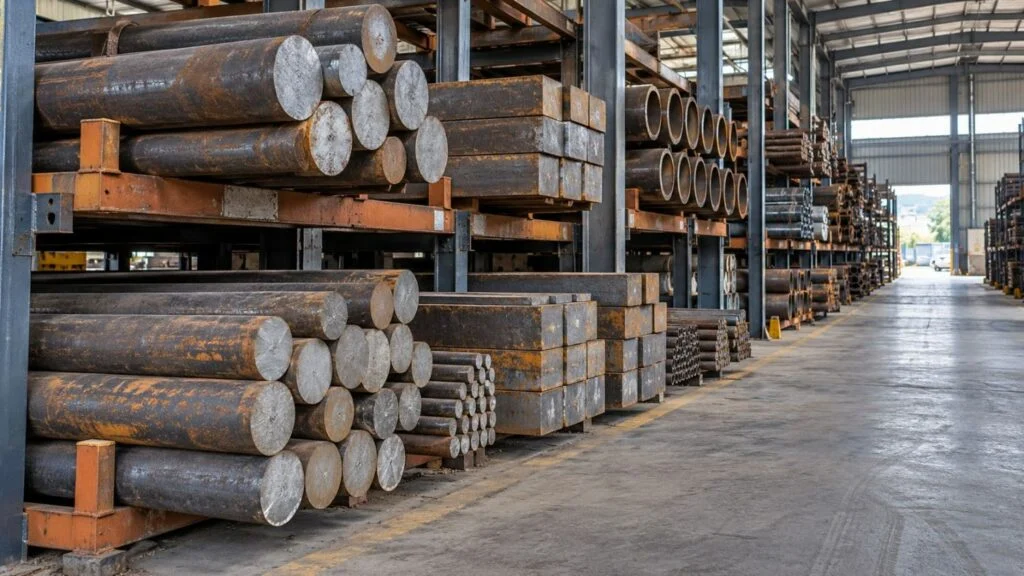
Specified, sourced, certified per heat
Scope confirmed for the specified item
Material datasheetMaterials
The manufacturing and documentation scope is confirmed for each order. Refer to the approved specification and project records.
Material datasheet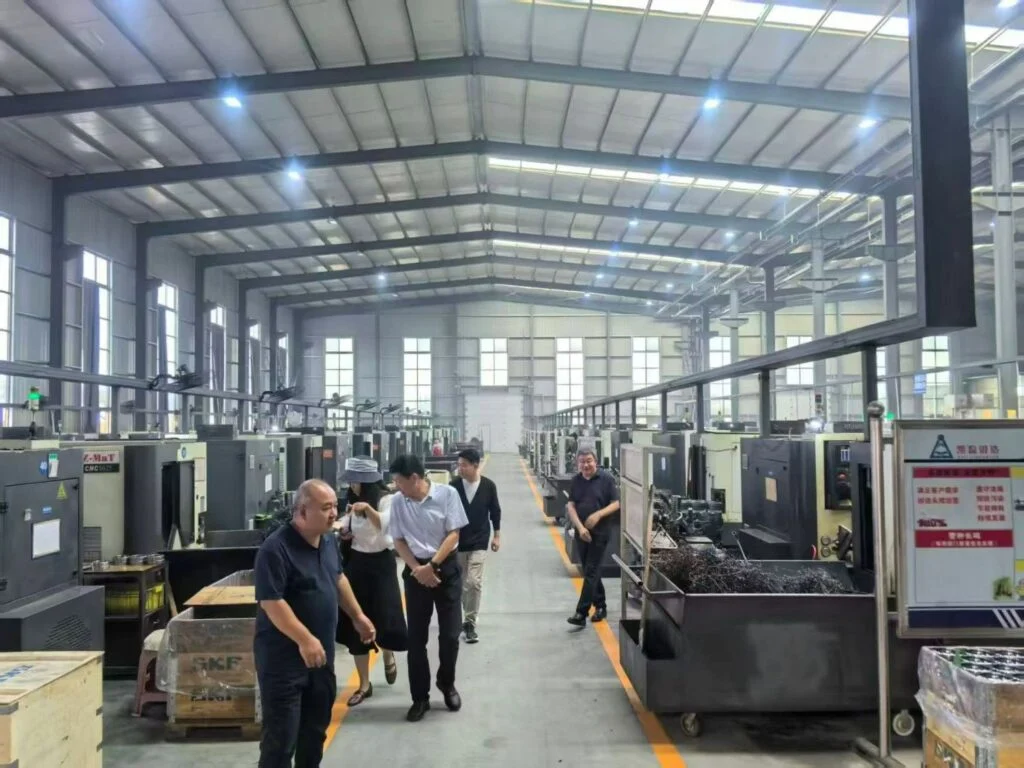
Equipment & technology
The manufacturing and documentation scope is confirmed for each order. Refer to the approved specification and project records.
Equipment pageManufacturing processes
The manufacturing and documentation scope is confirmed for each order. Refer to the approved specification and project records.
Manufacturing pageQuality capabilities
The manufacturing and documentation scope is confirmed for each order. Refer to the approved specification and project records.
Quality & testing Project record pending Project record pending Measured in the works Lead time
Pendingagainst programme
The result
Read the requirement. Check the record.
Case studies connect a project decision with its supporting documentation.
Results & performance
Results, backed by records.
Results will be reported against the agreed baseline and available records. Until projects are published, these panels describe the measures that a useful case study should explain.
- Pending Quality improvement Batch pass rate and reject record, once there is a run to report.
- Pending Cost reduction Against the part that was specified before, on the same duty.
- Pending Lead time From approved drawing to crated order, ready to ship.
- Pending Production efficiency Pieces a year from the Yanshan shops, across forging, machining and welding.
- PendingTool & product performance Service observations and their reporting period, where documented.
Customer comments will be added only with permission and a published project record.
Project-specific results will be attributed to the relevant records and reporting period.