
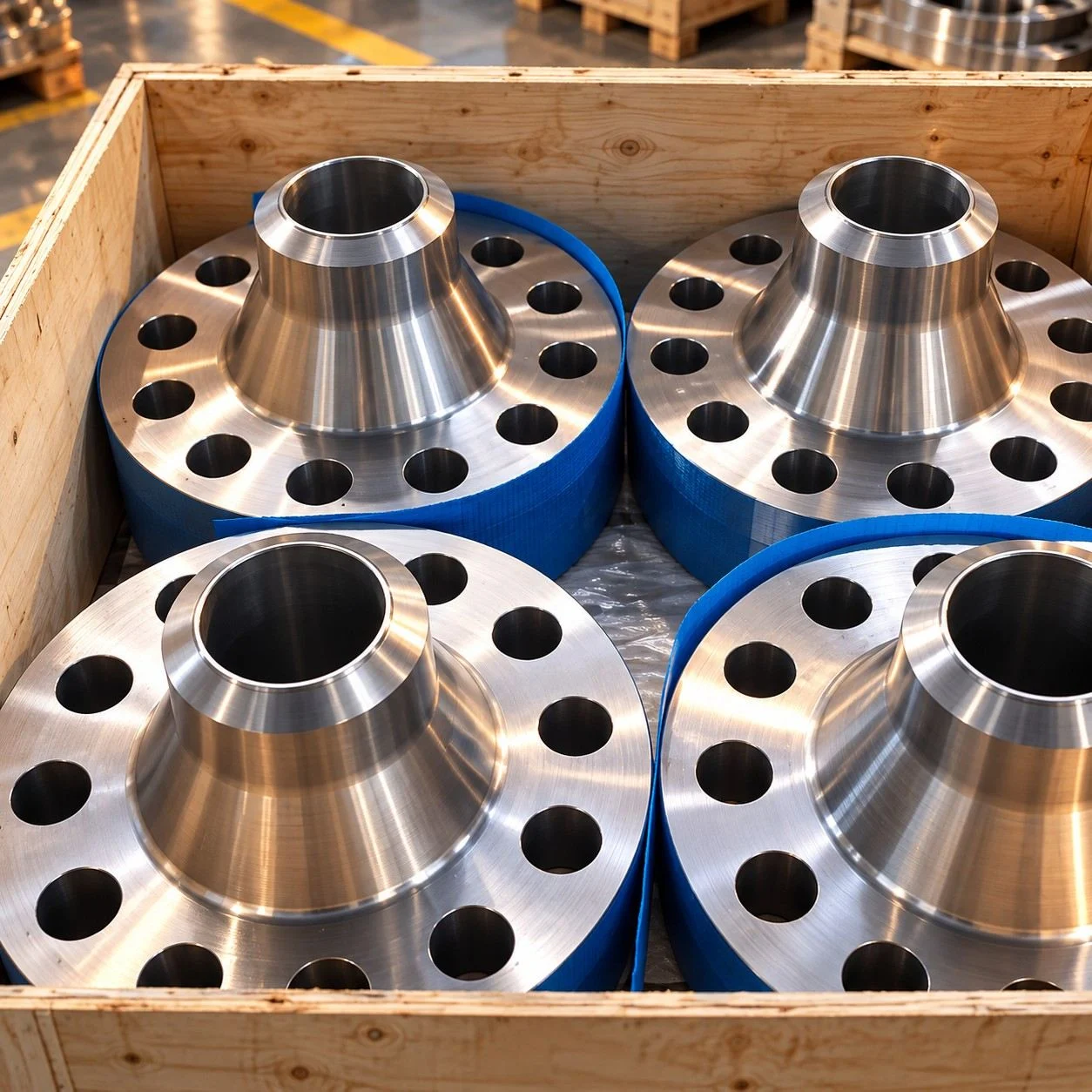
CBAM pipe fittings documentation should begin with a classification decision and an agreed data request.
The European Commission states that the Carbon Border Adjustment Mechanism entered its definitive regime on 1 January 2026 and applies to selected goods, including specified iron and steel goods. [1]
This is not a rule that automatically covers every item described commercially as a fitting, coupling or flange.
Trade and procurement analysis | Evidence checked 13 October 2026. Regulatory statements below are attributed to the European Commission.
The document workflow is editorial guidance, not a customs classification or calculation of an importer’s liability.
Confirm the actual goods and obligations with the importer’s customs and compliance advisers.
What happened: CBAM pipe fittings documentation
| Information layer | Proposed document | Review to complete |
|---|---|---|
| Commercial identity | Final item schedule and drawing | Supplier and buyer agree the actual product |
| Customs classification | Importer’s classification record | Scope assessed against applicable rules |
| Material identity | Required material inspection evidence | Supplied material matches the accepted specification |
| Emissions information | Importer-approved data request | Sources, method and limitations recorded |
The Commission publishes sector information and legislation-and-guidance resources for this review. [1,3] Our recommendation is to retain the decision source and reviewer, including any unresolved question. Procurement should not independently guess a classification because a shipment deadline is approaching. If the shipment contains several product types, review them as identifiable lines.
A mixed crate may contain components with different classifications or evidence requirements. For CBAM pipe fittings documentation, keep the packing list specific enough to reconcile with the accepted item schedule.
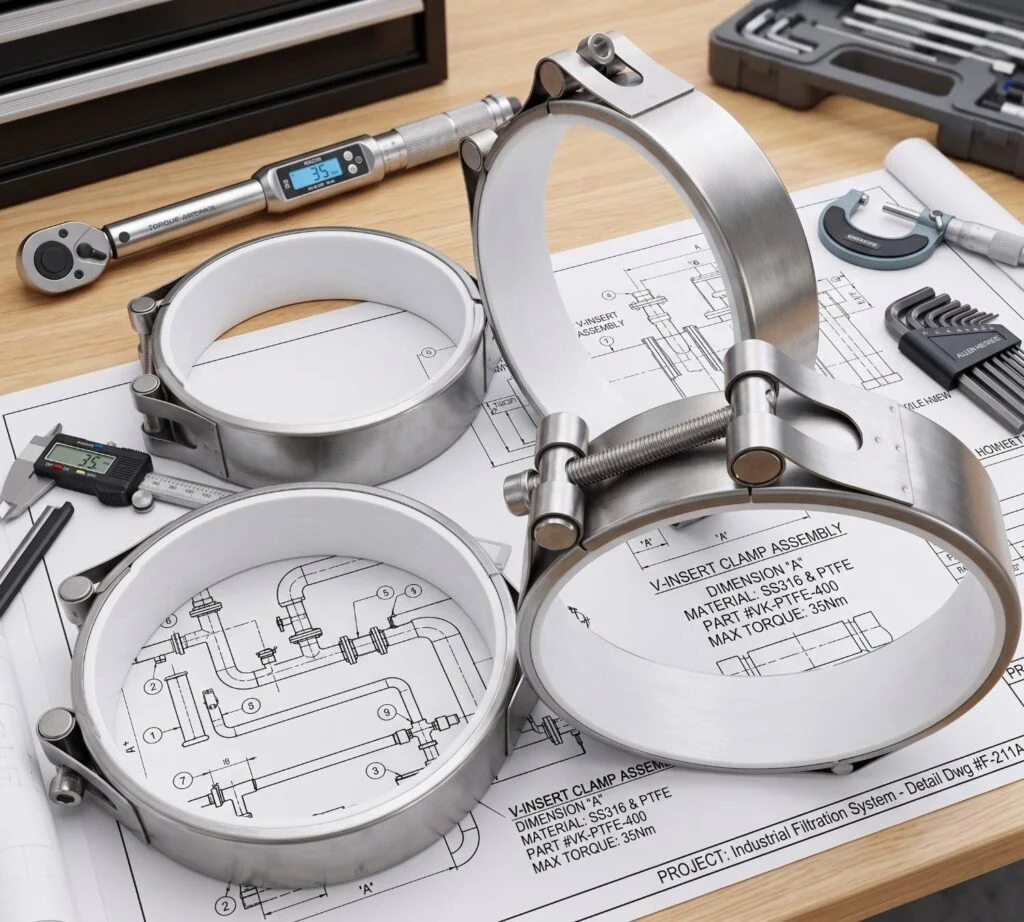
Why it matters: the purchasing decision
The Commission describes authorisation, emissions reporting and certificate obligations under the definitive regime. Its guidance refers to a single mass-based threshold of 50 tonnes for covered goods relevant to this iron-and-steel purchasing context; applicability must be checked at importer level. [2]
Do not treat the threshold as a separate allowance for every purchase order or component supplier.
Data: evidence and comparison boundaries
Material inspection documentation concerns the supplied material and its specified properties. CBAM emissions reporting has its own methodology and evidence requirements. Our proposed control is to keep these datasets connected through product and production identification while recording them separately. Do not assume a material test certificate is an emissions declaration.
Equally, do not assume an emissions figure demonstrates material conformity. A supplier package needs the evidence accepted for each purpose. JINYI’s certifications and documentation information provides a starting point for discussing order records, with scope and validity reviewed for the actual supply.
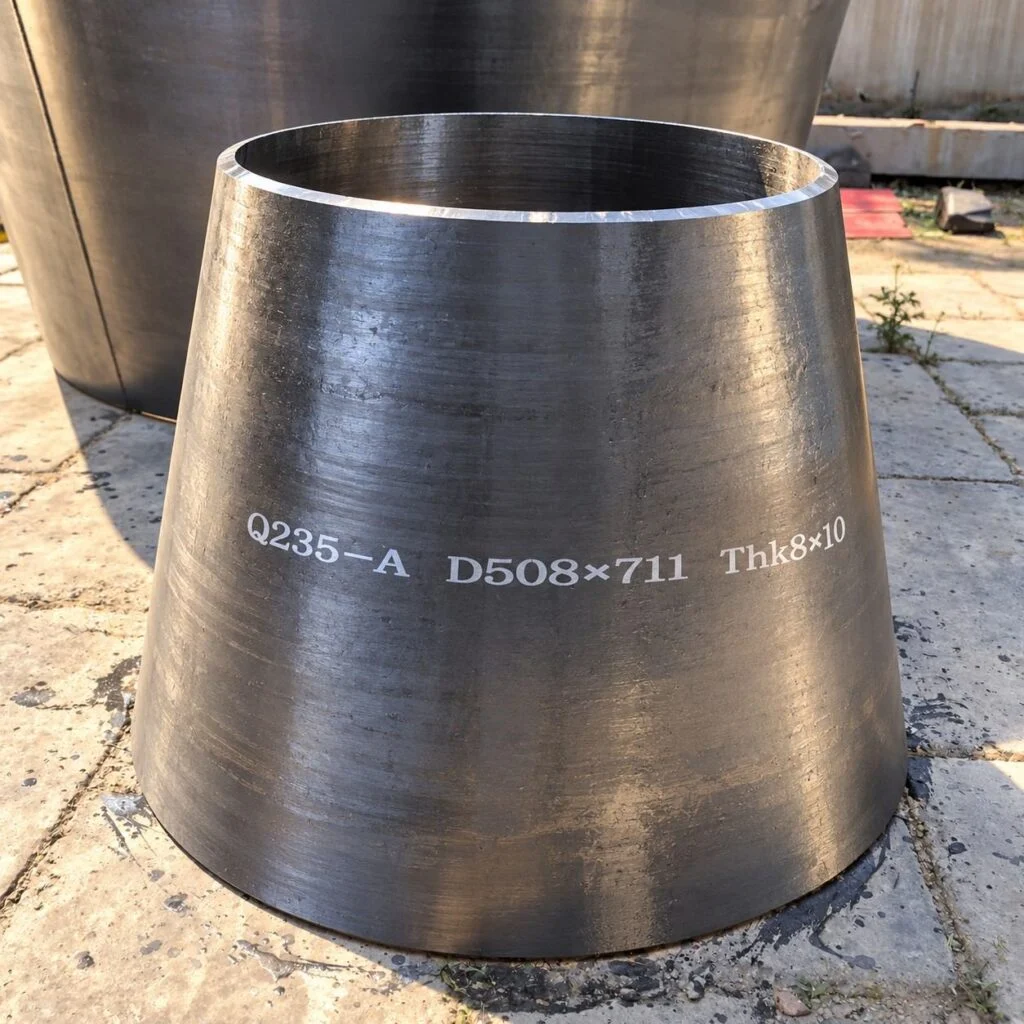

Audience impact: actions before the order
1.
Which goods are being reviewed? Issue the final component schedule and drawing revisions. For CBAM pipe fittings documentation, distinguish the product’s commercial name from the reviewed classification. Identify which party confirms the regulatory scope and how changes will trigger a further review.
For pipe fittings and elbows or industrial flanges, include the exact material and product form. A broad category name is useful for browsing, but it leaves too much unresolved for shipment documentation.
2.
Who is responsible for the CBAM pipe fittings documentation request? For CBAM pipe fittings documentation, state the required date and any review period before dispatch. Ask early which records are available, which require upstream input, and which cannot be provided. An explicit limitation is more useful than a completed spreadsheet with guessed values.
3.
How is the finished component linked to its source records? For CBAM pipe fittings documentation, request the agreed material and production identification chain. Have the supplier explain how identifiers will appear on the inspection documents, item or batch records and packing list.
Define how a mixed production batch will be handled in the data package. This is a proposed traceability review, not a claim that a specific heat-number method alone satisfies CBAM. The formal data requirements must follow the applicable reporting methodology. The purchasing objective is to preserve the link needed to assess those requirements.
4.
Which assumptions and gaps remain? For CBAM pipe fittings documentation, separate a supplier’s factual production information from the importer’s compliance calculation. This makes it clearer who must correct a data error and who must review the resulting declaration.
5.
How will the package be checked at dispatch? Reconcile the accepted item schedule, quantities, packing list and available documents. Confirm that data files carry identifiable sources and versions. For CBAM pipe fittings documentation, record any late material or product substitution and obtain the required review before shipment.
Keep the accepted records with the order’s final handover package. A future query should be answerable from retained evidence rather than a chain of informal messages whose attachments no longer match the delivered batch.
Expert view: JINYI’s editorial analysis
A proposed evidence handover matrix
| Evidence area | Suggested owner | Acceptance question |
|---|---|---|
| Product description | Buyer and supplier | Does it identify the actual shipped goods? |
| Classification and scope | Importer or customs representative | Has the relevant scope been reviewed? |
| Material identification | Supplier, against purchase requirements | Can required records be linked to supplied items? |
| Emissions-data method | Importer compliance team | Is the accepted methodology specified? |
| Available production data | Identified producer or supplier source | Are source, period and limitations visible? |
| Missing information | Importer compliance team | Is the disposition documented rather than guessed? |
| Shipment reconciliation | Buyer and supplier | Do quantities, IDs and versions match? |
The matrix is an editorial purchasing tool, not an official reporting template. Replace its generic ownership suggestions with the actual contractual and regulatory responsibilities for the transaction.

Why this changes bid comparison
For a drawing-based order, establish whether changes in material source or manufacturing route need a new data review. Link the change request to the accepted technical deviation and document package. This connects commercial flexibility to a reviewable evidence chain.
FAQ: practical questions and answers
Does CBAM cover all pipe fittings?
Do not assume universal coverage. For CBAM pipe fittings documentation, check the actual goods and classification against the applicable scope with the importer or its customs representative. [1,3]
Does a material test certificate replace CBAM emissions information?
No equivalence is established here. Request the evidence and methodology needed for each purpose and maintain the agreed identification link between records.
Should missing supplier emissions data be entered as zero?
No. For CBAM pipe fittings documentation, keep missing information visible and ask the importer’s compliance owner to determine the permitted method under the applicable rules. Procurement should not invent a factual value.
Who reviews CBAM pipe fittings documentation?
The importer’s designated compliance owner should establish scope and accepted methods. Suppliers provide identifiable factual production information.
What should missing CBAM pipe fittings documentation show?
List the missing record and responsible owner. Ask the importer to approve any permitted alternative; do not invent an emissions value.
For a component order, explore JINYI and its custom OEM manufacturing scope. Send your component schedule, destination and importer-approved document request so the available supply and documentation scope can be discussed before quotation.